
Companion Plants
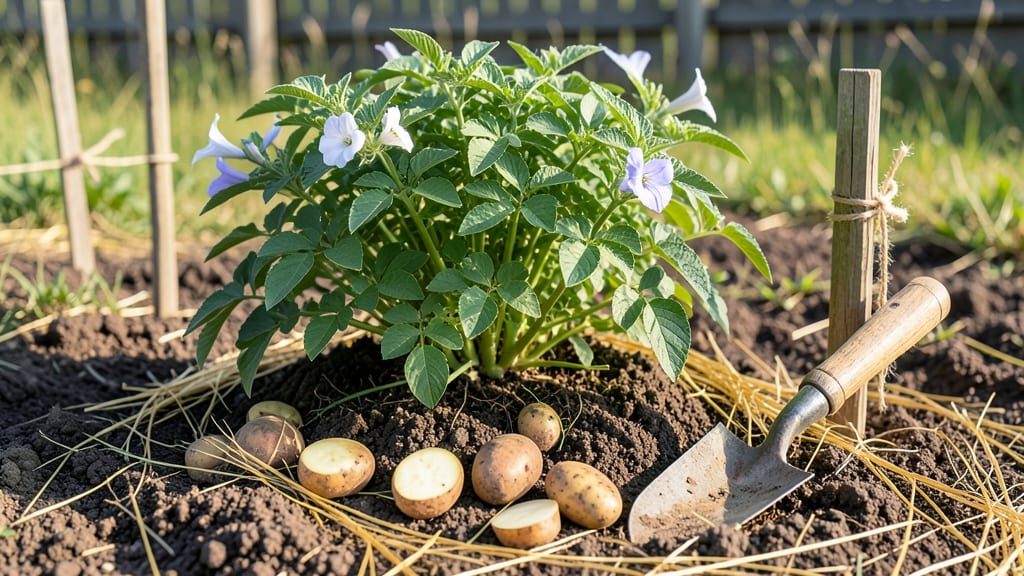
Planting potatoes in Zone 6 at the wrong time can mean the difference between a bountiful harvest and wasted effort.
Whether you're a first-time gardener or a seasoned grower, knowing the exact window to plant your 🥔 is critical—too early risks frost damage, while planting too late cuts your growing season short.
Most gardeners in Zone 6 (6a-6b) should aim to get seed potatoes in the ground 2-4 weeks before the last frost date, typically between mid-March and early April. This timing ensures your tubers establish roots before temperatures rise, setting the stage for strong yields by summer.
But here's the catch: not all potatoes thrive on the same schedule. Early varieties can handle cooler soils, while late-season types need warmer conditions. I'll break down the best strategies for chitting tubers, adjusting for frost risks, and avoiding common mistakes that sabotage harvests.
Ready to turn your garden into a potato powerhouse? Let's dive into the exact weeks that separate a good crop from a great one—and how to make every planting decision count.

Zone 6 potato planting timeline: exact weeks before last frost for success
In Zone 6, potatoes thrive when planted at the right time—typically 2 to 4 weeks before your last expected frost date. For most of Zone 6, this means mid-March to early April, but exact timing depends on your specific microclimate and potato variety.
Early varieties like Yukon Gold can go in as soon as soil reaches 45°F, while late varieties like Russet Burbank may wait until soil warms to 50°F.
Zone 6 spans 6a (average last frost: April 15) and 6b (average last frost: April 22). Planting too early risks frost damage to sprouts, while planting too late reduces your harvest window before blight sets in.
Aim for a balance that gives your tubers 90-120 days to mature before the first frost in mid-October.
| Planting Window | Soil Temperature | Best Varieties | Days to Harvest |
|---|---|---|---|
| Early Spring (March 15-April 1) | 45-50°F | Yukon Gold, Red Pontiac | 90-100 days |
| Mid-Spring (April 1-April 15) | 50-55°F | Kennebec, Fingerlings | 100-110 days |
| Late Spring (April 15-May 1) | 55-60°F | Russet Burbank, Purple Viking | 110-120 days |
For northern Zone 6 (6a), where frost lingers longer, start with early-maturing varieties in late March. In southern Zone 6 (6b), you can plant late varieties as late as early May for a fall harvest.
Always check your local frost dates—tools like the Almanac’s Frost Calculator help pinpoint your exact window.
Pro tip: Chit your seed potatoes (sprout them indoors in light) 4-6 weeks before planting. This gives you a 2-week head start on growth once in the ground. Place them in a cool, bright spot (60°F) with the rose end up—sprouts should appear in 2-3 weeks.
If you’re growing new potatoes (small tubers), plant 2-3 weeks earlier than the main crop. These varieties like Adirondack Blue mature faster (60-70 days) and are perfect for late-May harvests when soil is warmer. Just be prepared to hill soil around stems to prevent greening.
For organic gardeners, amend your soil with compost or aged manure 2-3 weeks before planting. Potatoes thrive in loose, well-draining soil with a pH of 5.0-6.5. Avoid fresh manure—it can burn roots and attract pests like colorado potato beetles.
Don’t forget about succession planting! In Zone 6, you can plant two crops: one in early spring (harvest July) and another in late May (harvest September). Use row covers for early plantings to protect against late frosts and extend your growing season.
Watch for blight warnings in late summer—Zone 6’s humid conditions create ideal conditions for late blight. If you’re planting late varieties, choose resistant types like Sarpo Mira or Crimson Crisp to reduce risks. Always rotate crops—never plant potatoes in the same spot two years in a row.
Finally, mark your calendar for harvest time. New potatoes are ready in 60-70 days, while full-sized tubers take 90-120 days. Harvest when foliage yellows and dies back—this signals tubers have finished growing.
Cure them in a dark, humid space (60°F, 85% humidity) for 1-2 weeks before storing.
3 Critical factors that determine your perfect planting date (and how to check them)
Choosing the right time to plant potatoes in Zone 6 isn't just about counting weeks before last frost—it's about checking three key factors: soil temperature, frost risk, and variety maturity. I've learned the hard way that ignoring these can mean stunted growth or even total crop failure.
First, your soil must reach at least 45°F (7°C). Cold soil slows germination, leaving your tubers vulnerable to rot. Use a soil thermometer to check—if it's still chilly, wait. This is especially critical for late-season varieties like Russets, which need warmer soil to thrive.
Next, verify your last frost date using local weather data. While the average for Zone 6 is April 15, microclimates can shift this by weeks. Check the National Weather Service or plant your early varieties 6 weeks before the average date as a buffer.