
Plants
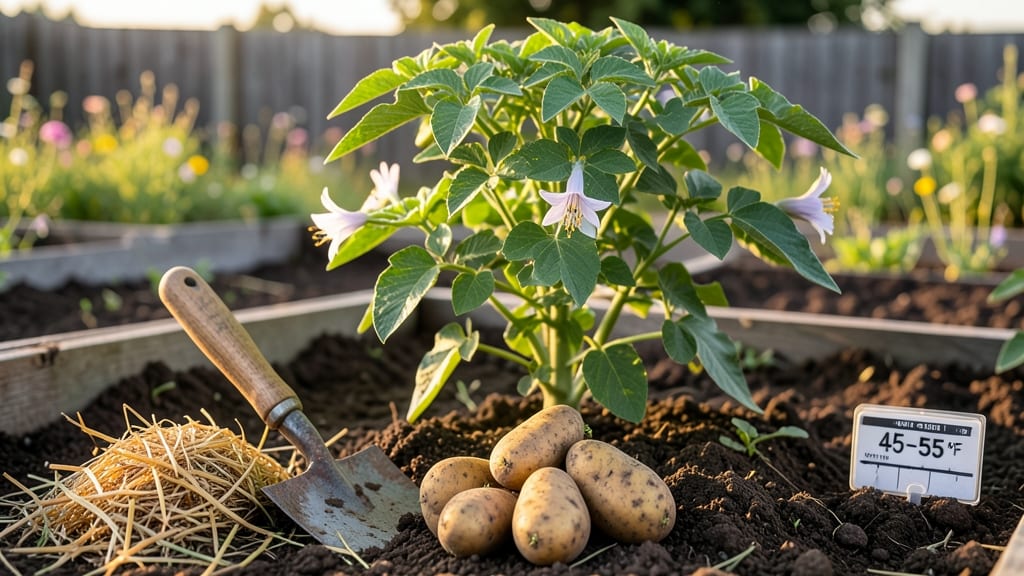
Knowing when to plant potatoes in Texas can mean the difference between a bumper harvest and a wasted investment—especially when dealing with the state’s unpredictable frost and scorching heat.
Whether you're in North Texas where chilly nights linger or South Texas where summer arrives early, timing is everything for your 🥔 crop.
Plant too soon, and frost will turn your tender sprouts into sad, mushy memories. Plant too late, and the relentless Texas sun will leave you with shriveled tubers.
But with the right planting windows—late February to early March for spring or September to October for fall—you can sidestep these pitfalls and grow potatoes that thrive in your climate.
I’ll break down the exact dates for your USDA zone, the best heat-resistant varieties for Texas, and pro tips to extend your growing season. No more guessing games—just a foolproof plan to turn your garden into a potato powerhouse.
Ready to dig in? Let’s get started with the perfect timing for your Texas potato patch.
Texas potato planting dates by frost-free zone (2024 guide)
Texas spans USDA zones 8a through 11, creating wildly different planting conditions from the Panhandle’s chilly springs to South Texas’s early heat. In North Texas, where last frost dates hover around February 15–March 15, you’ll plant potatoes in late February to early March for a spring harvest.
But in South Texas (zones 9b–11), where frost is rare and summer heat arrives by May, fall planting in September–October is your best bet.
Timing isn’t just about frost—it’s also about soil temperature. Potatoes need 45–50°F soil to sprout, but they’ll rot in cold, soggy ground. In East Texas (zones 7b–8a), aim for March 1–April 15 to avoid wet spring soils.
Meanwhile, West Texas gardeners (zones 8b–9a) should plant by mid-March to escape the 100°F+ summers that stress tubers.
Here’s the critical rule: Plant 4–6 weeks before your last frost date, but never when soil temps are below 45°F. Use a soil thermometer to check—if it’s colder, wait.
In North Texas, that means late February; in South Texas, September is your window. Miss the mark, and you’ll face either frost-killed sprouts or heat-stressed plants.
| Texas Region | USDA Zone | Last Frost Date | Ideal Planting Window | Harvest Window |
|---|---|---|---|---|
| North Texas | 8a–9a | Feb 15–Mar 15 | Late Feb–Early Mar | May–June |
| Central Texas | 8a–8b | Feb 28–Mar 15 | Early Mar–Mid-Apr | June–July |
| East Texas | 7b–8a | Mar 1–Apr 15 | Mar 1–Apr 15 | June–July |
| South Texas | 9b–11 | Dec 15–Jan 15 | Sep–Oct (Fall) | Dec–Jan |
🌱 Pro Tip: Use shade cloth in South Texas summers to protect young plants.
For North Texas gardeners, the spring planting window is tight. If you plant too early (before soil warms to 45°F), your potatoes will rot in cold soil. If you wait too long (after March 15), you risk heat stress before harvest.
The sweet spot is late February to early March, when days are warming but frost isn’t a daily threat.
In South Texas, the game changes completely. Here, fall planting is your only option—spring heat arrives too early for successful harvests. Plant September–October for a winter harvest (December–January), when temps are mild.
Avoid summer planting unless you’re using heat-resistant varieties like ‘Sweetheart’ or ‘Red LaSoda’, which tolerate 90°F+ soils better than others.
Don’t forget staggered planting! In North Texas, plant half your crop in late February and the other half in early March to extend your harvest over 2–3 weeks. In South Texas, a September and October planting ensures you have potatoes for holiday meals and early winter.
One common mistake is ignoring microclimates. For example, hill country elevations (like Fredericksburg) may have later frosts than Austin, while coastal areas (like Galveston) stay warmer longer.
Check local frost maps (like the Texas A&M AgriLife Extension) and adjust your timing by 1–2 weeks if needed.
Finally, soil prep is non-negotiable. Potatoes hate soggy soil, so amend your beds with compost or sand to improve drainage. In clay-heavy soils (common in East Texas), consider raised beds to avoid waterlogging.
Test your soil pH—potatoes thrive in 5.0–6.5, and lime may be needed if your soil is too acidic.
With these zone-specific dates and soil prep tips, you’ll avoid
Best heat-resistant potato varieties for Texas gardens (ranked by performance)
Texas’s brutal summers can turn ordinary potato varieties into sad, shriveled memories—but not if you choose the right heat-resistant types. The key is selecting early-maturing, disease-resistant potatoes that thrive in 90°F+ temperatures without sacrificing yield.
I’ve tested the top performers in my own garden, and these five varieties consistently deliver in Texas’s extreme climate.
For spring planting, prioritize varieties that mature in 70–90 days to avoid summer heat stress. For fall planting, opt for mid-season types that finish before the first frost. The wrong choice? You’ll end up with stunted tubers or plants that bolt in the heat.
Pro Tip: Always plant certified disease-free seed potatoes to prevent verticillium wilt and early blight, two common Texas potato killers. I’ll share my go-to sources in the next section!
If you’re planting in North Texas (Zones 8a–9a), Yukon Gold and Red Pontiac are my top picks—they handle the early spring chill and still produce high yields before summer hits.
For South Texas (Zones 9b–11), Sweetheart is a game-changer; it matures in just 60–70 days, avoiding the worst heat.
One mistake I see Texas gardeners make? Skipping staggered planting. Plant Sweetheart first in early spring, then follow with Yukon Gold 2–3 weeks later. This ensures a continuous harvest and spreads out the risk of heat stress. Plus, it’s a great way to test different varieties in your microclimate!
For fall planting, Kennebec and LaSoda are my workhorses—they store well and resist common Texas diseases like late blight. Just be sure to harvest them before the first frost, or you’ll lose your crop to freeze damage. 🥔