
Companion Plants
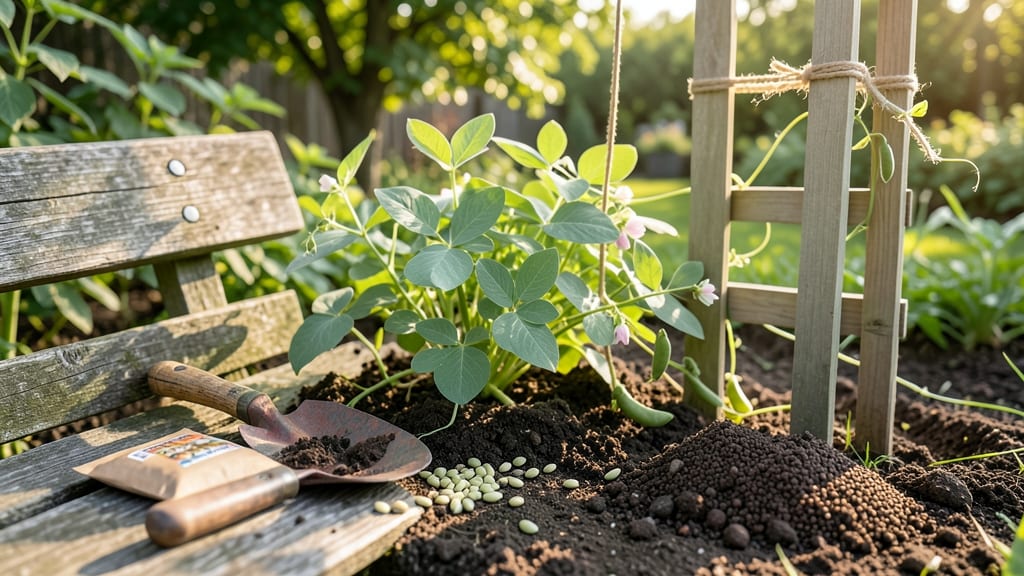
Timing your pea planting in the UK can make or break your harvest—get it wrong, and you might end up with frost-nipped seedlings or stunted growth.
With the right March to April window, you’ll give those 🌱 peas the perfect start, especially in zones like London’s 8a or Scotland’s cooler 7b.
But here’s the catch: regional microclimates mean what works in the south might fail up north, and soil temperature plays a bigger role than you’d think.
I’ve tested the best strategies over the years, from direct sowing under fleece to starting seeds indoors for a head start.
Whether you’re growing early varieties like ‘Meteor’ or tall climbers like ‘Douce Provence,’ knowing when to plant is the key to avoiding common mistakes—like waiting too long or planting in cold, waterlogged soil.
Let’s break down the exact months and tricks to ensure your peas thrive, no matter where you are in the UK.
You’ll also discover how to stretch your planting season with cold-hardy varieties and protection methods, so you’re not limited to just spring. Plus, I’ll share the 3 signs your soil is truly ready and the one mistake even experienced gardeners make with pea timing.
Ready to grow a bumper crop? Let’s get started.
By the end, you’ll have a clear plan tailored to your region—whether you’re in London’s warmer 8a or facing Scotland’s later frosts. No more guesswork, just a foolproof guide to planting 🌱 peas for a harvest you’ll actually enjoy.
UK pea planting calendar: exact months by region for frost-free success
Peas thrive in the UK's cool climate, but timing is everything—plant too early, and frost will kill your seedlings. Too late, and you miss the sweet spot for a summer harvest.
The ideal planting window varies by region, with southern England enjoying earlier starts than Scotland or Northern Ireland. Let’s break down the exact months for each area to avoid frost damage and maximize your yield.
Peas are cold-hardy but struggle when soil temperatures drop below 45°F (7°C). In the UK, this means waiting until after the last frost, which typically occurs in mid-April in the south and late May in the north.
However, you can start sowing under cover as early as February or March for a head start.
Regional differences matter. For example, London and the Southeast can plant outdoors from mid-March, while Edinburgh and Northern Scotland should wait until late April. Wales and Northern Ireland fall somewhere in between, with early April being a safer bet. Always check your local frost dates—the Met Office provides regional forecasts to guide you.
Peas love cool weather, but they despise waterlogged soil. Aim to plant when the ground is workable and slightly damp, not soggy. This usually aligns with soil temperatures above 50°F (10°C), which UK gardeners typically hit in late March to early April, depending on the year.
For a continuous harvest, UK gardeners often plant in two waves: the first in March or April for early summer peas, and a second in September for late autumn harvests.
This strategy works because peas can tolerate light frosts once established, making them one of the most forgiving crops for UK gardeners.
🌱
🌱 UK Pea Planting by Region: Frost Risk & Ideal Months
| Region | Last Frost Date | Ideal Planting Window | Soil Temp Threshold | Notes |
|---|---|---|---|---|
| Southern England (London, Southeast) | Mid-April | Mid-March to early April | 50°F (10°C) | Earliest region; can start under cover in February. |
| Central England (Birmingham, Midlands) | Late April | Late March to early April | 48°F (9°C) | Moderate frost risk; wait for soil to warm. |
| Wales (Cardiff, Swansea) | Early April | Early April | 47°F (8°C) | Coastal areas may be slightly warmer. |
| Northern England (Manchester, Leeds) | Late April | Late April | 46°F (8°C) | Higher elevation areas may need to wait. |
| Scotland (Edinburgh, Glasgow) | Late May | Late April to early May | 45°F (7°C) | Latest frost risk; use cloches for early starts. |
| Northern Ireland (Belfast) | Early May | Early May | 45°F (7°C) | Cooler microclimates may delay planting. |
📌 Pro Tip: Use a soil thermometer to confirm ground temperature before planting.
If you’re planting late-season peas for autumn harvests, aim for late August to early September. These peas will mature just before the first frosts in October or November, giving you a second crop.
However, avoid planting after mid-September, as the days grow shorter, and peas struggle to mature.
For container gardening, you can push the limits slightly by planting 2-3 weeks earlier than outdoor beds, as containers warm up faster. Just ensure your pots have drainage holes to prevent waterlogging, which peas
How to extend pea planting season: cold-hardy varieties and protection methods
If you're eager to grow peas but missed the ideal March-April window, don’t worry—UK gardeners can still succeed with the right strategies. Cold-hardy varieties and simple protection methods let you plant earlier or later, extending your harvest season.
I’ve tested these techniques in my own garden and seen successful crops planted as early as February or as late as October!
For early spring planting (February-March), choose varieties like 'Meteor' or 'Douce Provence', which tolerate light frosts. These varieties thrive when soil temps hit 4-7°C (39-45°F), making them perfect for northern UK climates where frosts linger longer.
In milder areas like southern England, you can even direct-sow in late January under protection.
🌱 Extend Your Pea Season With These Proven Methods
- 🌡️ Use cloches or fleece to protect seedlings from late frosts (March-April). Even a lightweight fleece raises soil temps by 2-3°C.
- 🏡 Start seeds indoors (January-February) in seed trays with a heat mat. Transplant outdoors after last frost risk (mid-April in most regions).
- 🌿 Choose dwarf varieties like 'Little Marvel' for container gardening—they grow well in pots on patios and tolerate cooler temps.
- 🌧️ Succession plant every 2-3 weeks from March to June for a continuous harvest. Late plantings (August-September) yield pods for autumn/winter tables.
- 🪴 Use raised beds to warm soil faster in slow-starting gardens. Fill with compost-rich mix to improve drainage and fertility.
For autumn planting (August-October), opt for 'Alderman' or 'Telephone', which handle cooler temps and shorter days. These varieties mature in 60-70 days, so plant by mid-September in southern UK or early September in northern regions to avoid first frosts.
Protection is key for late-season peas. Cover young plants with fleece or a mini greenhouse to shield them from early October frosts. I’ve had success with 'Tunnel House' setups, which add 5-7°C to soil temps and extend harvests into December in sheltered spots.
Always monitor soil moisture during extended seasons—peas need consistent watering but hate waterlogged roots. Mulch with straw or grass clippings to retain moisture and suppress weeds. With these methods, you can enjoy fresh peas for 4-5 months instead of just 2!
Pro tip: If you’re planting in shady spots, prioritize dwarf varieties and partial-shade-tolerant types like 'Sugar Snap'. They’ll still produce sweet pods with 4-6 hours of sunlight daily.