
Plants
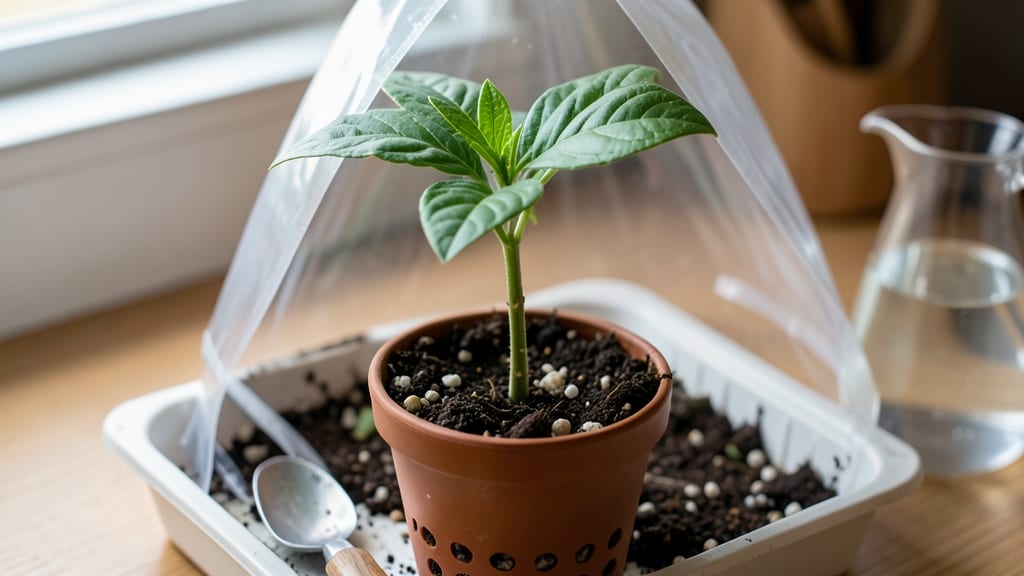
The best time to plant an avocado seed in soil depends on where you live—but getting it wrong can mean the difference between a thriving 🥑 tree and a sad, wilted seedling.
Whether you're in frost-prone Zone 6 or a warm year-round climate like Zone 10, timing matters more than you might think.
Most gardeners start their avocado seeds indoors, letting them sprout in water for 4-12 weeks before transferring to soil. But the real magic happens when you move that delicate seedling outdoors—or into its permanent pot—at the right moment.
Plant too early in cooler zones, and frost will finish what you started. Too late, and your seedling might struggle to adapt.
In Zone 6, aim for after the last frost date (typically mid-April), when soil temperatures stay consistently above 60°F. Warmer climates (Zones 9b-10) can plant year-round, but even there, summer heat demands extra care.
The key is watching for strong roots and true leaves—signs your seedling is ready to stretch its wings.
I’ll walk you through the exact steps to prepare your avocado seed for soil, plus climate-specific tips to avoid common pitfalls. By the end, you’ll know not just when to plant, but how to give your seedling the best shot at becoming a towering, fruit-bearing tree.
Optimal planting timeline for avocado seeds by USDA climate Zones
Timing is everything when moving your avocado seedling from water to well-draining soil. The transition depends on your USDA climate zone, soil temperature, and seedling maturity. In Zones 7-11, the ideal window spans late spring to early summer, but exact timing varies by region.
For Zone 7 (frost-prone), wait until after the last frost date (typically May 15) and soil temperatures reach 60°F+. In Zones 9-11 (frost-free), you can plant year-round, but spring (March-May) offers the best conditions for root establishment.
| Zone | Indoor Prep Start | Outdoor Planting Window | Key Trigger |
|---|---|---|---|
| 7 | January-February | Late May-June | Soil temp 60°F+ |
| 8 | February-March | March-June | First true leaves |
| 9 | Year-round | Year-round | Root length 3"+ |
| 10-11 | Year-round | Year-round | Stem thickness 0.5"+ |
In Zone 7, I recommend starting your avocado seed indoors in January-February to give it a 3-4 month head start before transplanting. This ensures your seedling reaches 6-12 inches tall with a sturdy root system by planting time.
For Zones 9-11, the process is more flexible. You can plant directly in soil year-round, but aim for spring to align with natural rainfall patterns. If planting in summer, prioritize shade acclimation to prevent sunburn on young leaves.
Regardless of zone, avoid planting when soil temperatures drop below 55°F. Cold soil slows root growth and increases rot risk. Use a soil thermometer to monitor conditions—ideal planting temps are 60-75°F.
Pro tip: In Zone 8, where frost is rare but possible, I harden seedlings outdoors for 2-3 weeks before full transplant. Gradually increase exposure from 2 hours/day to full sun to build resilience.
Remember, avocado seedlings grow slowly—don’t rush the process. A 6-month indoor prep in cooler zones yields healthier outdoor plants. Patience pays off with stronger stems and deeper roots for long-term survival.
🌱
Signs your avocado seedling is ready for soil (and how to prepare it)
Your avocado seedling isn’t ready for soil the moment it sprouts—patience is key. The first true leaves (not the initial seed leaves) signal it’s time to prepare for transplanting. These leaves should be dark green and healthy, indicating the seedling has stored enough energy to handle soil stress.
I’ve found that seedlings with 2-4 true leaves and roots reaching 3-5 inches long are ideal candidates for soil.
Root development is your best indicator of readiness. If you’re using a clear container, you’ll see a robust root system with secondary roots forming. These roots need space to grow, so if they’re circling or becoming root-bound, it’s a clear sign to move to soil.
Transplanting too early can shock the seedling, while waiting too long risks overcrowded roots.
🌱 Key Takeaway: 3 Signs Your Avocado Seedling Is Ready for Soil
Before planting, prepare your well-draining soil mix. Avocado seedlings hate soggy roots, so blend 50% potting soil with 50% perlite or coarse sand to improve aeration. A pH of 6.0-7.0 is ideal—test your soil with a kit if unsure.
I recommend using a 5-7 gallon container for your seedling, as it provides enough room for root expansion without overwhelming the young plant.
When transferring your seedling, dig a hole twice as wide as the root ball but only as deep as the container’s root base. Gently remove the seedling, loosen any circling roots, and place it in the hole.
Fill with soil, pressing lightly to eliminate air pockets. Water thoroughly to help the roots settle into their new home. The first few days after transplanting are critical—keep the soil consistently moist but not waterlogged.
After planting, place your seedling in a bright, indirect light spot for a week to help it acclimate. Gradually introduce it to direct sunlight over 7-10 days to avoid sunburn. During this time, watch for signs of transplant shock, such as wilting or yellowing leaves.
If you notice these, reduce sunlight exposure and ensure the soil stays moist. With proper care, your seedling should bounce back within a week.
Remember, avocado seedlings grown from seed are unlikely to produce fruit—they’re more of a decorative or educational project. But with the right timing and care, you’ll nurture a stunning tree that can live for decades.
The key is patience and attention to detail during this critical transition phase. Once your seedling is established in soil, it’s just the beginning of its journey to becoming a majestic indoor or outdoor tree. 🌳