
Plants
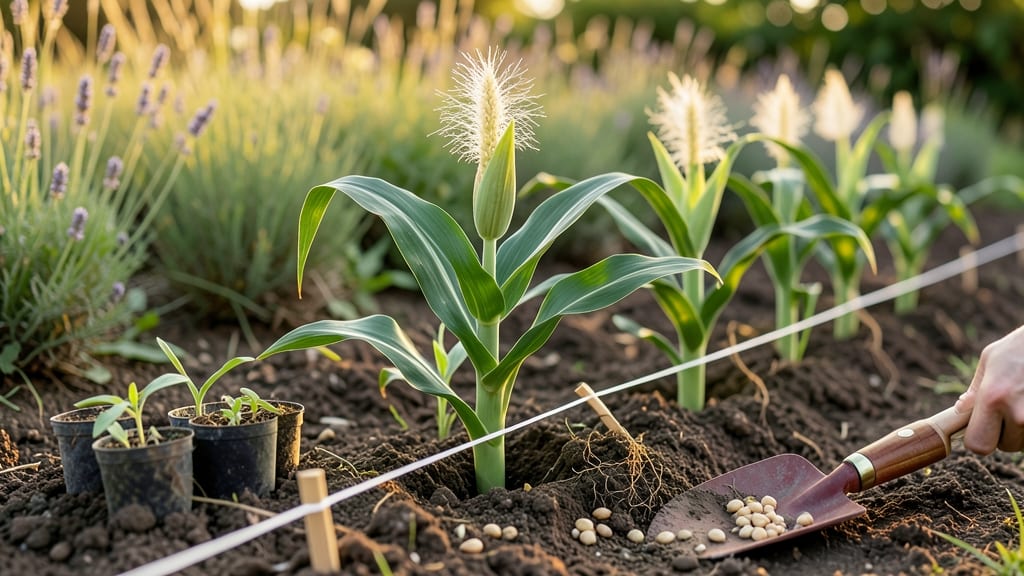
Planting corn in Ohio at the wrong time can mean the difference between a bountiful harvest and wasted effort.
The perfect window—April 15 to May 15—aligns with soil temperatures that give your 🌽 seeds the best chance to thrive, but getting it right requires more than just checking a calendar.
Ohio’s 6a climate brings unpredictable spring weather, where air temperatures might feel warm while soil stays too cold for germination. That’s why planting too early can stunt your corn’s growth, leaving it vulnerable to disease or pests.
The key is waiting until the soil reaches at least 60°F, a rule that saves countless gardeners from disappointment.
In this guide, I’ll break down exactly how to time your planting for Ohio’s microclimates—whether you’re in Toledo’s warmer south or Cleveland’s cooler north. You’ll learn how to test soil temperature, spot the signs of poor timing, and adjust for local frost risks to maximize your yield.
By the end, you’ll know not just when to plant, but why it matters—and how to give your corn the strong start it needs for a harvest ready by July. Let’s get growing!
Optimal soil temperature for planting corn in Ohio (with exact degree guidelines)
Ohio’s corn plants thrive when planted at the right soil temperature, not just air temperature. Unlike many gardeners who rely on frost dates, corn needs warm soil to germinate consistently.
In Ohio, this means waiting until the ground reaches at least 50°F (10°C)—but for faster, more reliable growth, aim for 60°F (15°C) or higher.
Cold soil slows germination and makes seedlings vulnerable to rot and disease. Even if spring air feels mild, underground temperatures can lag behind. For example, Toledo’s soil warms faster than Cleveland’s due to urban heat islands and lake effects. Always check your specific microclimate for accuracy.
🌱 Corn Planting Soil Temperature Guide for Ohio
| Stage | Soil Temp (°F) | Ohio Region Notes |
|---|---|---|
| Germination | 50°F+ (10°C+) | Southern Ohio (e.g., Cincinnati) may hit this by mid-April. |
| Consistent Growth | 60°F+ (15°C+) | Northern Ohio (e.g., Cleveland) often waits until late April. |
| Peak Development | 70°F+ (21°C+) | Ideal for ear formation; common in May. |
Pro Tip: Use a soil thermometer ($10–$15) to measure 2–4 inches deep, where seeds will be planted. Check early mornings for the most accurate reading.
To test your soil temperature, insert a soil thermometer 2–4 inches deep (where you’ll plant seeds) and wait 10 minutes for a stable reading.
If your soil is still below 50°F (10°C), hold off planting—corn seeds won’t germinate well in cooler conditions. Black plastic mulch can warm soil by 5–10°F faster than bare ground, which is a game-changer for early plantings.
Ohio’s USDA Zone 6a means we’re on the cooler side compared to states like Georgia or Indiana. However, within Ohio, microclimates matter. For instance, areas near Lake Erie (like Sandusky) may experience delayed warming due to lake breezes, while inland cities like Columbus can plant 1–2 weeks earlier.
Always adjust your timing based on local observations.
If you’re eager to start early, consider starter beds with raised rows or cold frames. These can raise soil temperatures by 3–5°F, helping you plant 10–14 days sooner than traditional in-ground methods. Just ensure the bed drains well to avoid waterlogging, which corn hates.
Another critical factor is nighttime temperatures. Corn seedlings struggle when nights dip below 50°F (10°C) for more than a few days. In Ohio, this is common in early May, so monitor your local extended forecast for cold snaps.
If frost is predicted, use row covers or wait until the threat passes.
For sweet corn varieties (like Silver Queen or Peaches and Cream), timing is even more critical. These types have shorter maturity windows and need warm soil to develop tender kernels.
Planting too early can lead to starchy, tough ears—a gardener’s worst nightmare. Stick to the 60°F (15°C) rule for the best results.
Finally, remember that soil temperature fluctuates daily. A sunny afternoon might show 65°F (18°C), but early mornings could still be 50°F (10°C). Always check in the morning before planting to ensure consistency. Patience here pays off with stronger, healthier plants that resist disease and pests.
Once your soil hits the sweet spot, you’re ready to plant! But don’t stop there—mulch heavily after planting to maintain warmth and moisture. Straw or shredded leaves work well, and they’ll also suppress weeds, giving your corn the competitive edge it needs to thrive.
Best planting dates by Ohio region (2024 calendar + historical trends)
Ohio’s diverse climate means planting dates vary by region. Southern Ohio (like Cincinnati) can start 2-3 weeks earlier than northern areas (like Cleveland). Always check last frost dates—NOAA’s 2024 averages show April 15 for most areas, but late frosts still happen!
For 2024 success, use these microclimate guidelines based on historical data. Southern Ohio gardeners can plant mid-April, while northern zones should wait until late April to early May. Toledo’s warmer microclimate often allows earlier planting than Columbus or Akron.
| Region | Last Frost (Avg) | Ideal Planting Window | High-Risk Late Frost |
|---|---|---|---|
| Southern Ohio (Cincinnati) | April 5 | April 15–25 | April 20 |
| Central Ohio (Columbus) | April 10 | April 20–May 5 | April 25 |
| Northwest Ohio (Toledo) | April 15 | April 25–May 10 | May 1 |
| Northeast Ohio (Cleveland) | April 20 | May 1–15 | May 10 |
| Appalachian Ohio (Athens) | April 1 | April 10–20 | April 15 |
Use row covers if planting early in northern Ohio to protect young seedlings. For southern Ohio, prioritize soil moisture—drought stress in May can stunt growth. Always plant after soil reaches 60°F (use a soil thermometer for accuracy).
Ohio’s 2023 late-spring drought showed that planting too early (before May 1) often led to stunted ears. Adjust your schedule if NOAA forecasts predict dry spells—delay planting by 1-2 weeks to avoid stress.
For maximum yield, aim to harvest before September 15. Late plantings (after May 15) risk smaller ears and pest pressure. Use succession planting every 2 weeks for a continuous harvest through August.
Pro tip: Mark your calendar for June 15—this is Ohio’s peak corn pest season. Start scouting for corn earworms and corn borers to protect your crop.