
Plants
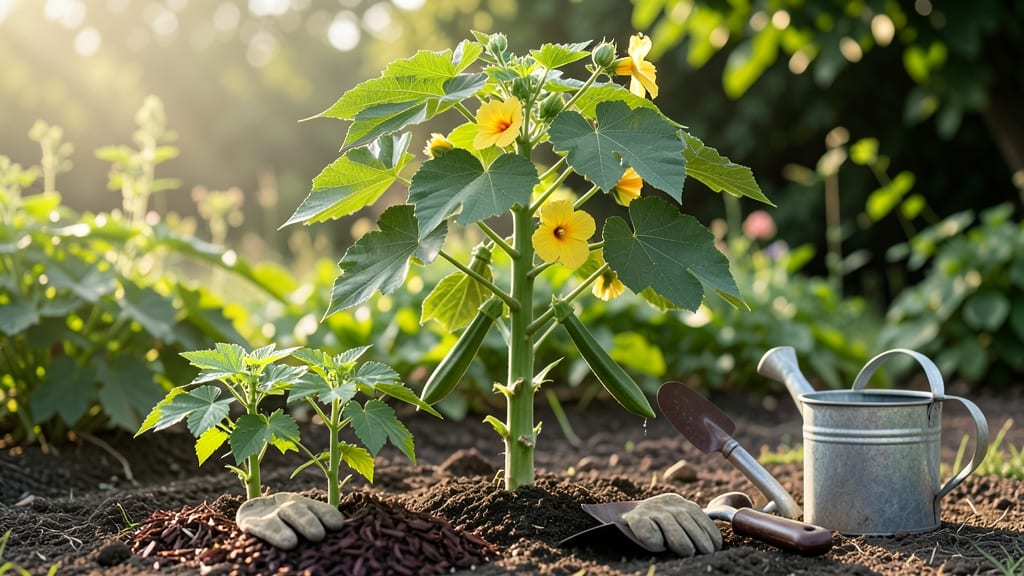
If you’ve ever planted okra in Texas only to watch your tender seedlings wilt from a surprise frost, you’re not alone—timing is the key to a bountiful harvest.
The Lone Star State’s diverse zones (8a-10b) mean North Texas gardeners face last-frost risks in February, while South Texas can plant as early as March.
But here’s the catch: okra hates cold, and waiting until soil hits 60°F makes all the difference between a thriving garden and a lost crop.
Most Texas gardeners assume "spring" means "go," but that’s where mistakes happen. Planting too early in North Texas (Zone 8a) can leave your 🌱 okra vulnerable until late April, while South Texas (Zone 9a+) can start as soon as mid-March.
The secret? Align your schedule with Texas A&M’s frost forecasts and soil thermometers—because even a 50°F dip can stall growth for weeks.
What if you’re in an urban area with limited space? Container gardening works, but you’ll need to adjust for faster soil warming and consistent watering. And here’s another pro tip: succession planting in June or July lets you extend harvests into October, beating the heat while keeping pods tender.
Let’s break down the exact windows and avoidable pitfalls so your okra plants grow strong—and stay that way.
Ready to skip the guesswork? I’ll walk you through heat-zone-specific deadlines, the best varieties for Texas summers, and how to protect your plants from both frost and scorching sun. Your zero-frost okra harvest starts here.
Texas heat-zone planting timeline for okra: frost-free deadlines by region
Okra loves Texas heat, but planting too early means risking frost damage. The key is waiting until soil temperatures hit 60°F or warmer—a threshold okra seeds need to germinate.
In Texas, this timing varies wildly from North Texas (Zone 8a) to South Texas (Zone 9a), where frost-free windows stretch from mid-February to late January, respectively.
To avoid false springs or late frosts, use Texas A&M’s frost forecasts and monitor local weather alerts. For example, Dallas gardeners should wait until mid-April, while Houston gardeners can start as early as late February.
Let’s break down the ideal planting windows by region to ensure your okra thrives all summer.
| Region | USDA Zone | Last Frost Date | Ideal Planting Window | Soil Temp Threshold |
|---|---|---|---|---|
| North Texas | 8a | February 15 | Mid-April to early May | 60°F+ |
| Central Texas | 8b | February 1 | Late March to early April | 60°F+ |
| South Texas | 9a | January 1 | Late February to March | 65°F+ (warmer soil) |
For North Texas gardeners, the mid-April window ensures soil warmth and avoids late frosts that can linger into March. Use a soil thermometer to confirm temperatures—okra seeds won’t sprout below 60°F.
In Central Texas (Zone 8b), you can push planting to late March, but wait until nighttime temps stay above 55°F consistently.
In South Texas (Zone 9a), where winters are milder, you can plant as early as late February. However, soil in these areas often warms faster, so aim for 65°F+ to accelerate germination.
If you’re in urban areas like Austin or San Antonio, consider container gardening to control soil temperature and extend your planting window.
Pro tip: Direct sow okra seeds ½ inch deep once soil is warm. Avoid transplanting seedlings, as okra hates root disturbance. If you’re in doubt, start with a few test seeds in late March—this gives you time to adjust before committing to a full patch.
Once planted, okra grows rapidly in Texas heat, with pods ready to harvest in 50–60 days. But timing is critical—plant too early, and frost will kill seedlings. Use this table as your frost-free guide, and your okra will reward you with a summer-long harvest.
For extended harvests, consider succession planting every 2–3 weeks after your initial window. This ensures a steady supply of tender pods from June through October, just in time for summer BBQ season.
🌱
Okra planting mistakes in Texas: how to avoid early or late timing errors
Planting okra at the wrong time in Texas can mean the difference between a bountiful harvest and a total loss. The most common mistake is rushing the process when soil temperatures are still below 60°F, which slows germination and invites frost damage.
Even experienced gardeners fall for this trap, especially in North Texas where late frosts can linger into March.
Another frequent error is ignoring microclimates—like urban heat islands or sheltered garden spots—that can create false springs. A warm afternoon in Central Texas might trick you into planting too early, only for a 28°F night to wipe out your seedlings.
Always check Texas A&M’s frost forecasts (available on their AgriLife Extension website) for localized updates.
Here’s what you shouldn’t do—and how to fix it if you’ve already made these mistakes:
- Planting too early: Seedlings won’t survive below 50°F soil temps. Wait until after the last frost (typically mid-April in North Texas, mid-March in Central Texas, and February in South Texas).
- Skipping soil tests: Okra thrives in slightly acidic to neutral soil (pH 6.0–7.0). If your soil is too alkaline, amend with sulfur or peat moss.
- Overcrowding seedlings: Space plants 18–24 inches apart to prevent powdery mildew and ensure proper airflow.
- Ignoring succession planting: One planting won’t sustain you all summer. Plan 2–3 plantings, spaced 2 weeks apart, for continuous harvests.
If you’ve already planted too early and seedlings look stunted or yellow, don’t panic. Transplant them into black plastic mulch to warm the soil faster, and use row covers to protect against unexpected frosts.
For late plantings, opt for heat-tolerant varieties like ‘Clemson Spineless’, which can handle 90°F+ temperatures without bolting.
Pro tip: Use a soil thermometer to monitor temperatures—okra seeds won’t germinate below 60°F, even if the air feels warm. This small tool can save your entire crop by preventing premature planting. Pair it with a frost calendar from your local Texas AgriLife Extension office for foolproof timing.
Remember, okra is a fast grower (ready in 50–60 days), so even a 2-week delay in planting can mean missing peak harvest season. But with the right adjustments, you can turn mistakes into lessons—and still enjoy fresh okra from June through October.