
Plants
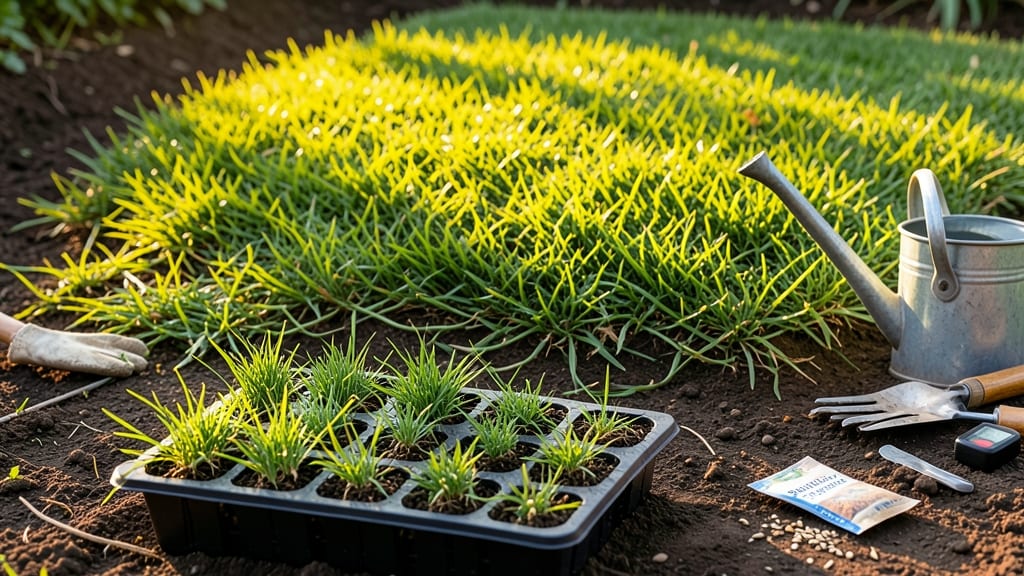
Planting summer grass in Arizona at the wrong time can leave you staring at a sad, patchy lawn instead of a vibrant one—especially when temperatures soar above 90°F.
The key to success isn’t just picking the right grass (like Bermuda or Zoysia) but timing it perfectly to beat the heat and drought.
Most Arizona gardeners assume spring is the best time, but that’s actually when your grass could struggle to establish roots before summer’s intensity kicks in. Instead, the ideal window shifts to late spring or early summer—when soil temperatures hit 65°F and nighttime stays above 55°F.
In this guide, I’ll break down the exact months to plant based on your microclimate—whether you’re in the Phoenix metro area or the high desert—plus soil prep tips and watering tricks to ensure your 🌱 summer grass thrives even when the sun is relentless.
Skip the guesswork and learn how to plant for a lawn that stays green all season long, even when Arizona’s heat tries to take over.
Best time to plant summer grass in Arizona (exact months & temperature guide)
Arizona’s extreme heat makes timing critical for summer grass success. Planting too early risks frost damage, while waiting too late means struggling with scorching temps. The ideal window is late August through September, when monsoon rains soften the soil and temperatures begin cooling slightly.
This timing aligns with Arizona’s USDA Zone 9b climate, where soil temperatures stay above 65°F (18°C)—perfect for warm-season grasses like Bermuda and Zoysia. The key is avoiding the 100°F+ (38°C+) summer peak when seedlings would fry before establishing.
For sod installation, aim for early September when daytime highs drop below 95°F (35°C). Seed-based grass thrives with late August planting, giving it 6-8 weeks to germinate before winter’s chill sets in.
Soil temperature is your best gauge—use a soil thermometer to confirm it’s consistently above 65°F (18°C) at 4-inch depth. Nighttime temps should stay above 55°F (13°C) to prevent shock.
Microclimates matter: Phoenix metro areas can plant a week earlier than high desert regions (Flagstaff). Elevation shifts the window by 2-3 weeks—higher elevations wait until mid-September.
Common mistakes? Planting in July’s heatwave or October’s unpredictable rains. Both scenarios lead to poor germination or fungal issues. The monsoon season (July-August) offers the perfect balance of moisture and cooling temps.
Pro Tip: If you miss the ideal window, sod is safer than seed—it establishes faster and handles heat better. Seed requires consistent moisture for 30+ days, which is tough in Arizona’s erratic summer rains.
After planting, water deeply in the morning to reduce evaporation. Aim for 1-1.5 inches per week, split into 2 sessions (early AM and late afternoon). This mimics Arizona’s natural monsoon patterns while preventing fungal growth from evening moisture.
For high desert areas, extend the window to early October—cooler nights and higher elevations delay heat stress. Test soil moisture weekly; let it dry slightly between waterings to encourage deep root growth, which is critical for drought resilience.
Remember: Summer grass won’t survive Arizona winters. It goes dormant in November-February, so treat it as a seasonal lawn. If you want year-round coverage, consider cool-season grasses (like ryegrass) for winter and warm-season (Bermuda) for summer.
Best time to plant summer grass in Arizona (exact months & temperature guide)
Arizona’s extreme heat and dry climate demand precise timing for summer grass planting. Unlike cooler regions, warm-season grasses like Bermuda and Zoysia thrive when soil temperatures hit 65°F (18°C)—typically late May to early September.
Planting too early risks frost damage, while waiting too long stresses seedlings in peak summer heat.
Most Arizona gardeners aim for late May through early July, aligning with the monsoon season for natural moisture. This window ensures consistent nighttime temps above 55°F (13°C), preventing cold shock.
High desert areas (e.g., Flagstaff) may shift to June–August, while Phoenix metro areas can start as early as late April for heat-tolerant varieties.
⚠️ CRITICAL: Avoid planting during June’s extreme heat waves (100°F+ days). Seedlings struggle to establish roots in scorching conditions, leading to brown patches or death. Instead, opt for sod installation in early summer for faster coverage.
| Timing | Soil Temp | Night Temp | Arizona Zone | Risk |
|---|---|---|---|---|
| Late May | 60–65°F | 55–60°F | Low Desert (Phoenix) | Low (monsoon prep) |
| June | 70–85°F | 65–75°F | All Zones | Moderate (heat stress) |
| July–August | 80–95°F | 70–80°F | High Desert | High (drought risk) |
| September | 75–80°F | 60–65°F | Low Desert | Low (cooling trend) |
For seed planting, focus on late May to early June when monsoon rains provide moisture without overwhelming seedlings. Sod installation can extend to mid-summer (July), as established turf handles heat better. Test soil temps with a soil thermometer—if it’s below 65°F, delay planting by 2–4 weeks.
Pro tip: Use shade cloth for new seedlings during 100°F+ days to reduce stress. Pair this with deep watering (1–1.5 inches per week) to encourage deep root growth. Avoid planting in sandy soils without amendments—these dry out faster and require daily watering during establishment.
Timing isn’t just about months—it’s about microclimates. A north-facing yard stays cooler and may support earlier planting, while south-facing areas need shade protection for seedlings. Always check local weather forecasts for monsoon predictions to adjust your schedule.