
Plants
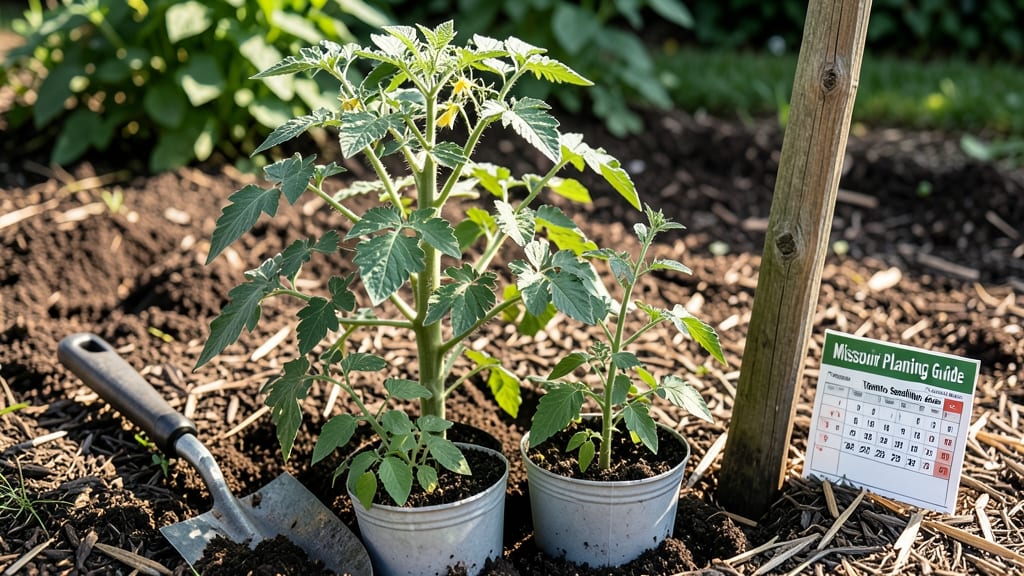
When do you plant tomatoes in Missouri isn’t just about the calendar—it’s about beating frost while giving your plants the warm soil they crave. Skip the guesswork, and you could end up with wilted seedlings or a harvest cut short by October’s first chill.
I’ve seen Missouri gardeners pull out their hair over missed planting windows, but the key is knowing your zone’s last-frost date and soil temperature thresholds. Whether you’re starting seeds indoors or dropping them directly into the garden, April 15–May 15 is your sweet spot—but there’s more to it than that.
In this guide, I’ll break down the exact zone-specific deadlines for Missouri’s 5b-6a regions, plus pro tips for extending your harvest with cold frames and succession planting. No more wasted seeds or disappointed dreams—just a July-to-October bounty of juicy tomatoes.
Ready to turn your garden into a tomato powerhouse? Let’s dive into the timing secrets that’ll have your plants thriving while your neighbors are still waiting for their first ripe fruit.
Missouri planting zones 5-7: exact dates for transplanting vs. direct sowing tomatoes
Missouri’s USDA Zones 5-7 create a tricky balance for tomato lovers—plant too early, and frost zaps your seedlings. Too late, and summer’s heat arrives before your plants mature. The key is understanding your specific zone’s last frost date and soil temperature thresholds.
Most Missouri gardeners fall into Zone 5b (northern), 6a (central), or 7a (southern). Each zone has a 10-14 day difference in safe planting windows. For example, northern Missouri’s last frost often hits April 15, while southern Missouri may see frost-free conditions by March 25.
Here’s the golden rule: Tomatoes thrive when soil stays above 60°F. A soil thermometer is your best friend—planting in cooler soil stunts growth and invites disease. In Missouri, this typically aligns with mid-April to early May, but your exact window depends on microclimates and elevation.
Missouri’s frost-free season spans 165 days on average, but heat waves can shorten it. Early varieties (like ‘Early Girl’) need 60-70 days to mature, while heirlooms (like ‘Brandywine’) require 85-90 days. Match your variety to your zone’s frost-free window to avoid disappointment.
Direct sowing seeds is riskier in Missouri’s unpredictable springs. If you choose this method, wait until two weeks after your last frost date and use row covers for extra protection. Transplanting 6-8 week old seedlings gives you a 2-3 week head start over direct sowing.
| Zone | Last Frost Date | Transplant Seedlings | Direct Sow Seeds | Soil Temp Threshold |
|---|---|---|---|---|
| 5a (Northern MO) | April 25 | May 10-15 | May 20-25 | 60°F+ |
| 5b (Central-North MO) | April 15 | April 25-May 5 | May 10-15 | 60°F+ |
| 6a (Central MO) | April 5 | April 15-25 | April 30-May 5 | 60°F+ |
| 6b (Central-South MO) | March 25 | April 5-15 | April 20-25 | 58°F+ |
| 7a (Southern MO) | March 15 | March 30-April 10 | April 15-20 | 58°F+ |
*Dates are averages—check your local Missouri Climate Center for 5-year trends.
Missouri’s microclimates can shift planting dates by weeks. Urban areas like St. Louis (Zone 6b) often warm up faster than rural northwest Missouri (Zone 5a). To hedge your bets, plant a mix of early, mid, and late-season varieties.
For example, pair ‘Stupice’ (60 days) with ‘Cherokee Purple’ (85 days) to stretch your harvest from July to October.
Pro tip: Use black plastic mulch to warm soil faster. In Zone 5a, this can push your planting window 7-10 days earlier by raising soil temperatures by 5-10°F. Just
If you’re in Zone 7a, don’t wait until the table says “go”—start transplanting by March 30 to maximize your harvest. The earlier you plant, the more time your tomatoes have to ripen before Missouri’s first frost (October 15). For late-season varieties, consider using row covers to buy extra
How to extend Missouri’s tomato growing season: cold frames, row covers & succession planting
Missouri’s short growing season (just 165 frost-free days) can feel like a race against time—but with the right tools, you can extend harvests by 3-4 weeks. Whether you’re in Zone 5b or Zone 7a, these techniques help you plant earlier or harvest later without frost damage.
Cold frames and row covers act like insulated blankets for your tomatoes, trapping heat while allowing sunlight. In Zone 5b, they let you start 4-6 weeks earlier than the average last frost date. Meanwhile, succession planting spreads out your harvest, ensuring fresh tomatoes from July through October.
Extend Your Tomato Season
Cold Frames
- Pros: Extends season by 4-6 weeks both sides
- Pros: Protects from light frosts (28°F)
- Cons: Requires daily monitoring for ventilation
- Cons: Can overheat if not managed
Row Covers
- Pros: Lightweight and affordable ($10-$20)
- Pros: Allows 2-3°F protection from frost
- Cons: Reduces light by 10-15%
- Cons: Needs stakes for support
Succession Planting
- Pros: Staggered harvests all season
- Pros: No extra tools needed
- Cons: Requires space management
- Cons: Needs consistent watering
For Zone 5b gardeners, start with cold frames in late March for early varieties like ‘Stupice’ or ‘Mountain Merit’. Remove covers by mid-May to avoid overheating. In Zone 7a, use row covers to delay fall frosts until mid-October.
Succession planting works best with fast-maturing varieties like ‘Early Girl’ (60 days) or ‘Celebrity’ (70 days). Plant new seeds every 2-3 weeks from April through June to keep the harvest rolling. Pair this with drip irrigation to maintain moisture during dry spells.
Pro tip: Combine methods! Use row covers for early starts and cold frames for late-season protection. Just