
Plants
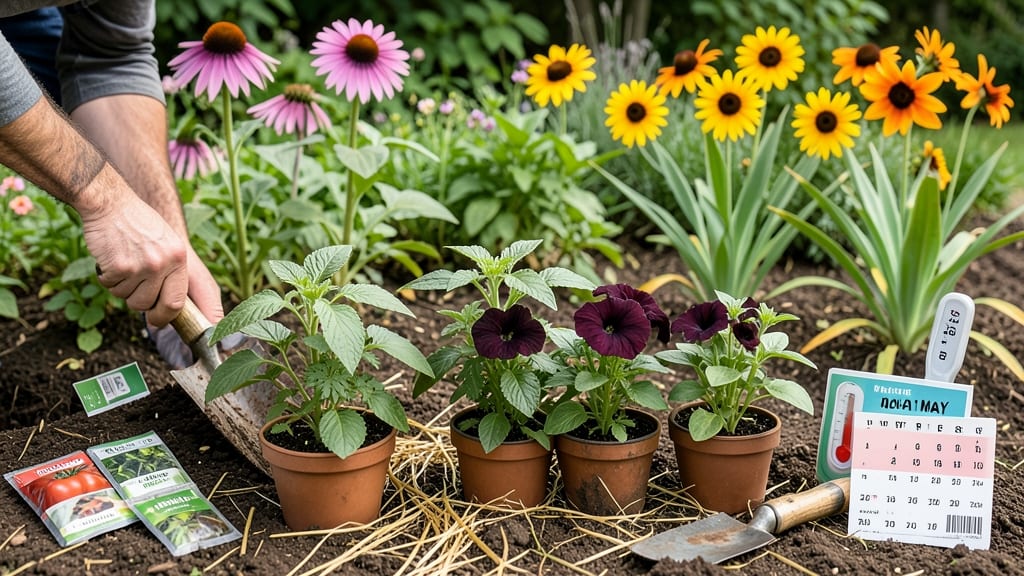
Knowing when is it safe to plant in Minnesota can mean the difference between a thriving garden and a season of disappointment. The state’s unpredictable frosts and varied climate zones make timing everything—especially if you’re eager to get those seeds in the ground.
I’ve spent years watching Minnesota’s frost patterns shift from zone to zone, and the 7-day buffer rule after the last frost date is your best friend.
Whether you’re in the chilly north near the Canadian border or the slightly warmer southern regions, planting too early can leave your crops vulnerable to late frosts.
This guide breaks down the exact frost dates by USDA zone, so you’ll know precisely when to plant warm-season crops like tomatoes and peppers—or when it’s safe to start those cool-weather greens. No more guessing, just confident planting.
Ready to avoid the common mistakes? Let’s dive into the data and tips that will help you time your garden perfectly this year.
Minnesota last frost dates by USDA hardiness zone (with 7-Day buffer)
Minnesota’s planting timeline hinges on last frost dates, but these vary wildly across USDA Zones 3-5. Northern regions like Zone 3 (e.g., International Falls) average their last frost around May 20th, while southern areas like Zone 5 (e.g., Rochester) typically see frost-free conditions by May 5th.
To play it safe, I always add a 7-day buffer—planting warm-season crops like tomatoes or peppers only after this window.
Microclimates complicate things further. Urban areas like Minneapolis-St. Paul may warm up faster due to heat islands, while rural lake-effect zones (e.g., near Lake Superior) can delay frost dates by 1-2 weeks. For accuracy, I cross-reference local weather stations and University of Minnesota Extension data.
Here’s the critical rule: Cold-hardy crops (e.g., peas, spinach) can often go in 2-3 weeks before the last frost, but warm-season plants (e.g., cucumbers, basil) need soil temperatures above 60°F—a condition rarely met before the buffer period.
| USDA Zone | Avg. Last Frost | Safe Planting Window | Warm-Season Ready | Notes |
|---|---|---|---|---|
| Zone 3 (e.g., Bemidji, Duluth) | May 20 | June 1 | June 10 | Lake Superior delays |
| Zone 4 (e.g., St. Cloud, Brainerd) | May 5 | May 25 | June 5 | Urban heat islands |
| Zone 5 (e.g., Rochester, Winona) | April 25 | May 15 | May 25 | Earlyest in state |
For Zone 3 gardeners, this means waiting until early June to plant tomatoes or peppers—no exceptions. I’ve learned the hard way that late May can still bring 20°F dips, even in southern Minnesota.
To hedge bets, I use row covers or start seeds indoors 6-8 weeks before the last frost.
Pro tip: Soil temperature matters more than air temperature. Use a soil thermometer—warm-season crops need 60°F+ for 7 consecutive days. In Zone 4, this often means waiting until late May, even if frost dates suggest earlier planting.
Don’t forget historical patterns. The 1993 frost hit late May in Zone 5, wiping out early plantings. To avoid repeats, I track 30-year averages from the Midwestern Regional Climate Center and adjust my schedule accordingly.
For container gardening, the rules shift slightly. Pots warm up faster, so you might plant 1-2 weeks earlier than in-ground. However, containers also cool rapidly at night, so I still wait for the 7-day buffer and use heat mats for extra warmth.
Finally, local nurseries are a goldmine for real-time advice. They’ll know if this year’s spring was unusually cold (like 2013) or if warm fronts are breaking early. I always ask their planting recommendations before committing to my schedule.
Remember: Patience pays off. Rushing into the garden without confirming frost-free conditions is a surefire way to lose your entire crop. When in doubt, I err on the side of waiting one more week—my plants (and my sanity) thank me for it.
How to adjust planting timing for cold-sensitive vs. cold-hardy crops
Not all plants play by the same frost rules—some thrive in cool soil, while others wilt at 50°F. In Minnesota, this means spinach and kale can go in early, but tomatoes and peppers need to wait. Understanding these differences saves your garden from frost damage or stunted growth.
Cold-hardy crops like broccoli, peas, and lettuce can handle soil temps as low as 40°F. Plant these 2-4 weeks before your last frost date—even if the air is still chilly.
Meanwhile, warm-season crops like basil, cucumbers, and squash need soil to stay above 60°F for weeks to grow properly.
🌱
Cold-Sensitive Crops (Wait for Warm Soil)
- Soil hits 60°F+
- Last frost date + 7 days
- Nighttime temps stay above 50°F
- Tomatoes
- Peppers
- Cucumbers
- Basil
- Soil at 40°F+
- Before last frost
- Can tolerate light frost
- Spinach
- Kale
- Peas
- Broccoli
For zone 3 gardeners (northern MN), start cold-hardy crops indoors in March to transplant outdoors by late April. In zone 5 (southern MN), you can plant warm-season crops as early as mid-May, but always check a 7-day forecast for cold snaps.
Succession planting is your secret weapon. After harvesting early radishes or lettuce, replant with bush beans or carrots to maximize your growing season. This works especially well in short-season zones like zone 4.
If you’re unsure, test your soil temperature with a soil thermometer—it’s the most accurate way to know when to plant. Aim for 60°F for warm crops and 40°F for cool crops. A 5°F dip can stall growth or kill seedlings overnight.
🌿✂️