
Planting
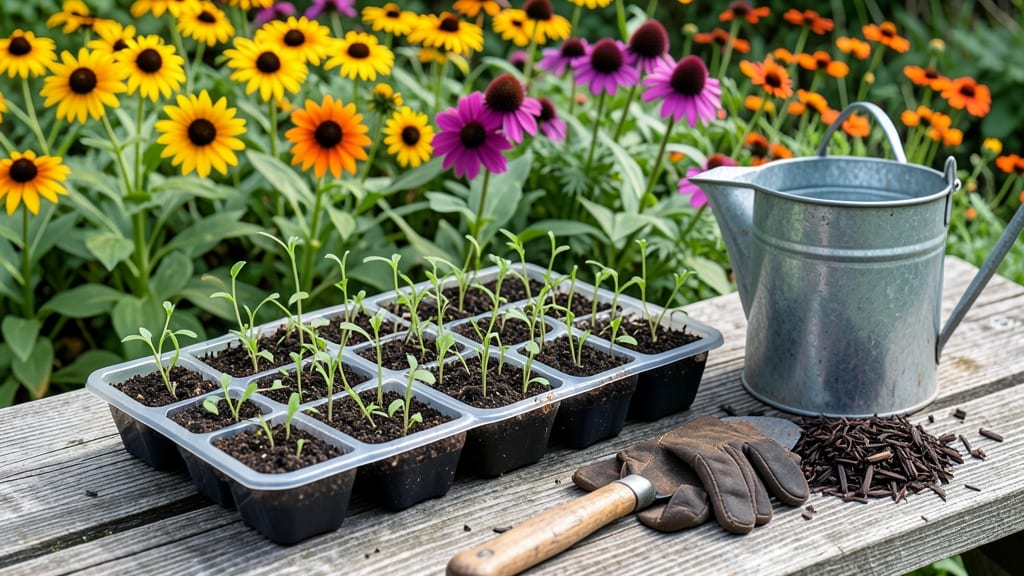
Timing your garden just right in Tennessee could mean the difference between a lush, bountiful harvest and struggling 🌱 General Garden Plants that never quite thrive.
With its unique 6a-7b climate zones, knowing when to plant—whether it's late winter for cool-season crops or early fall for hearty vegetables—isn't just helpful, it's essential.
Most gardeners in Tennessee make the mistake of planting too early or too late, risking frost damage or stunted growth. But here's the good news: by following the ideal planting windows for your specific region, you can maximize your garden's potential year-round.
Let me walk you through the exact frost dates and planting schedules that work best for Tennessee's diverse microclimates.
From Nashville's urban gardens to the rural fields of the Cumberland Plateau, each area has its own rhythm. Whether you're dreaming of summer tomatoes or crisp fall greens, understanding these timelines will help you avoid common pitfalls and create a garden that flourishes from spring to fall.
Ready to transform your gardening game? I'll share the precise month-by-month schedule, including when to start seeds indoors, when to transplant seedlings, and how to adjust for Tennessee's unpredictable weather. Let's get your garden growing on the right track!
Tennessee frost dates and planting zones 6-7: exact timelines for spring and fall
Tennessee’s USDA Zones 6-7 offer a longer growing season than many northern states, but frost dates vary dramatically across regions. Nashville typically sees its last spring frost around March 15, while Memphis averages March 10, and Knoxville holds onto frost until March 20.
These dates mark the critical window for planting cool-season crops like lettuce and peas.
Fall brings the opposite challenge: first frost dates arrive earliest in the high elevations of East Tennessee (around November 1 in Knoxville) and last longer in West Tennessee’s warmer climate (often November 15 in Memphis). Understanding these regional differences helps you time your fall plantings perfectly for broccoli and spinach.
Your exact microclimate matters more than the average. A south-facing slope warms up faster in spring, while a low-lying area may hold frost longer. Use a local weather station or Almanac frost date maps to pinpoint your specific window—this can mean the difference between successful transplants and frost-damaged seedlings.
For warm-season crops like tomatoes and peppers, wait until two weeks after the last frost to ensure soil temperatures stay above 55°F. In Tennessee, this usually means mid-to-late April for most regions. Planting too early risks stunted growth or complete crop failure.
Fall planting follows the reverse logic: cool-season crops should go in 8-10 weeks before your first frost. That means late July to early August for most Tennessee gardeners. This timing ensures your kale or carrots mature before winter sets in.
Here’s the golden rule for Tennessee gardeners: Plant cool-season crops in early spring and late summer/fall, while warm-season crops belong in late spring. Missing these windows often leads to poor germination or bolting (when plants flower prematurely).
🌱Pro Tip: Use row covers or cold frames to extend your spring planting window by 2-3 weeks, especially in Zone 6 areas like Nashville’s outskirts.
Tennessee Frost & Planting Timeline
| Region | Avg Last Frost | Avg First Frost | Spring Planting Window | Fall Planting Window |
|---|---|---|---|---|
| Nashville | March 15 | November 1 | March 15-April 15 | August 1-Sept 15 |
| Memphis | March 10 | November 15 | March 10-April 10 | July 31-Sept 30 |
| Knoxville | March 20 | October 31 | March 20-April 20 | July 15-August 31 |
| Chattanooga | March 12 | November 5 | March 12-April 12 | August 1-Sept 10 |
*Dates vary yearly; check local forecasts for adjustments
If you’re in Zone 6a (like Northeast Tennessee), err on the side of planting later for spring crops, as late frosts are more common. Conversely, Zone 7b gardeners in West Tennessee can push spring plantings slightly earlier, especially near the Mississippi River.
For perennial plants like asparagus or strawberries, fall planting is ideal—they establish roots before winter and bolt less aggressively in spring. In Tennessee, this means September is your best month for these hardy crops.
🌿Remember: Tennessee’s humid summers can stress plants, so succession planting every 2-3 weeks ensures a steady harvest. Start with fast growers like radishes in early spring, then move to tomatoes and peppers as temperatures rise.
Best month-by-month planting schedule for Tennessee gardens: what to plant when
Tennessee’s 6-7 climate zones give you a long growing season—but timing matters! Spring and fall are your golden windows, while summer’s heat demands strategic planning. Let’s break down the best month-by-month planting schedule for your Tennessee garden, covering vegetables, herbs, and flowers.
For cool-season crops like lettuce and spinach, start seeds indoors in February and transplant after your last frost date (typically mid-March to early April). Warm-season favorites like tomatoes and peppers need to wait until soil warms in late April to May, after the danger of frost has passed.
🌱 Tennessee Planting Calendar by Month
- March: Plant peas, spinach, and onions after last frost. Start tomatoes and peppers indoors.
- April: Transplant warm-season crops (tomatoes, peppers) after soil reaches 60°F. Direct sow beans and cucumbers.
- May: Plant sweet potatoes, squash, and basil. Succession plant lettuce for fall harvest.
- June: Start fall crops like broccoli and carrots indoors. Harvest early summer crops.
- July: Plant heat-tolerant greens (malabar spinach) and late tomatoes. Begin fall prep.
- August: Transplant broccoli, kale, and cabbage for fall harvest. Direct sow radishes and turnips.
- September: Plant garlic and onions for next year. Extend season with row covers.
Don’t overlook herbs like basil and cilantro—they thrive in Tennessee’s heat but bolt quickly. Plant basil in May for continuous harvests, and cilantro in early spring or fall to avoid bolting. For flowers, marigolds and zinnias love the heat and can be direct-sown in May and June.
Fall planting is just as critical! Broccoli, Brussels sprouts, and carrots need 80-100 days to mature, so start them in August for a late fall harvest. Use row covers to extend your season into November for hardy greens like kale and collards.
Pro tip: Keep a gardening journal to track your local frost dates and adjust planting times yearly. Tennessee’s microclimates can shift frost dates by 1-2 weeks—so observe your garden’s patterns!
With this schedule, you’ll maximize your harvest potential and avoid common mistakes like planting too early or too late. Happy gardening! 🌿