
Companion Plants
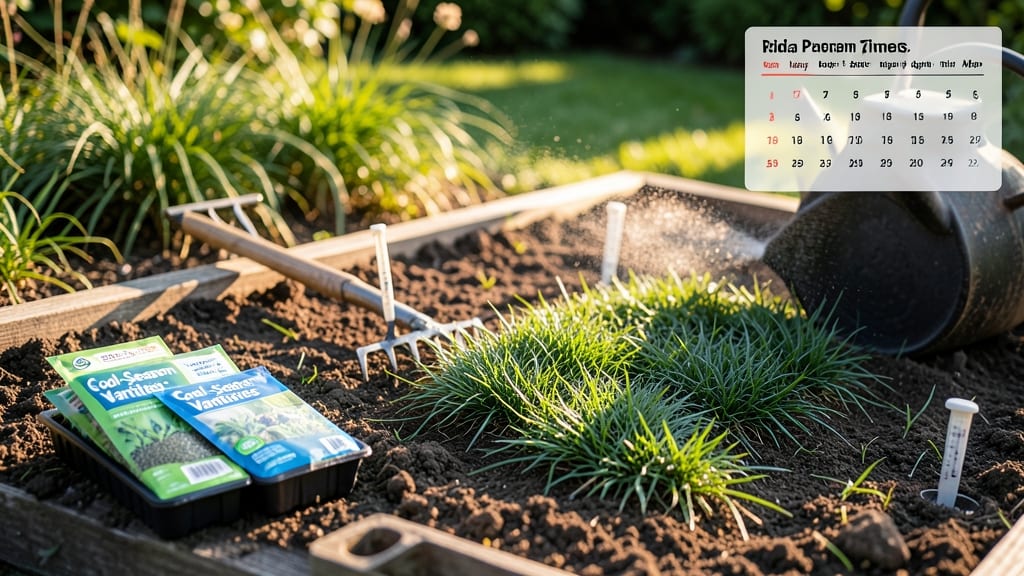
Planting grass seed at the wrong time in Minnesota’s unpredictable climate can leave your lawn struggling to establish roots before winter—leading to weak growth and frost damage.
Timing is everything, and knowing the ideal windows for seeding can mean the difference between a lush green lawn and a patchy, frost-bitten disappointment.
Minnesota’s USDA Zones 3-5 bring unique challenges, from early spring frosts to late summer heat. The perfect planting window isn’t just about the calendar—it’s about soil temperature, frost dates, and even your region’s microclimate.
Whether you’re in the Twin Cities or northern Minnesota, getting this right ensures your 🌱 grass seed germinates strong and survives the first winter.
In this guide, I’ll break down the best months for planting—early fall and late spring—and why they work best for Minnesota’s climate. You’ll also learn how to prepare your soil, choose the right seed type, and avoid common mistakes that sabotage lawns every year.
Ready to grow a thick, resilient lawn? Let’s dive into the exact timing and steps that’ll set your grass up for success—before the first frost hits.
Best months to plant grass seed in Minnesota for optimal root establishment
Minnesota’s cool-season climate creates two prime windows for planting grass seed: early fall and late spring. These periods align with soil temperatures and daylight hours that encourage strong root growth before winter dormancy or summer heat stress.
In my experience, September and early October are the sweet spots for fall planting, while mid-April to early May works best in spring.
Why these months? Cool-season grasses like Kentucky bluegrass and fine fescue thrive when soil temps are 50-65°F (10-18°C). Fall planting gives seedlings time to establish roots before frost, while spring planting avoids summer drought stress.
Northern Minnesota’s shorter growing season means you’ll need to act even earlier—sometimes by late August for fall.
Soil temperature is your best guide. Use a soil thermometer to confirm it’s above 50°F (10°C) before planting. In Minnesota, this typically happens by mid-April in southern regions and late May in the north.
For fall, aim to finish seeding 4-6 weeks before the first hard frost (usually mid-October).
Minnesota’s USDA zones 3-5 complicate timing slightly. Northern areas (zone 3) should plant 2-3 weeks earlier than southern zones (zone 5) to account for earlier frosts. For example, Duluth’s ideal window might be late August to early September, while Rochester’s could extend to mid-October.
Don’t overlook microclimates—urban heat islands in cities like Minneapolis can push soil temps up by 5-10°F, allowing slightly later spring planting. Conversely, shaded lawns may need earlier fall planting to avoid premature dormancy. Always check your local Almanac frost dates as a backup.
Here’s how to use these windows effectively: Start with a soil test in early spring to check pH (ideal: 6.0-7.5). Amend with lime if needed, then plant cool-season seed as soon as soil is workable.
In fall, focus on weed control before seeding—crabgrass thrives in warm soil, and you don’t want it competing with your new grass.
Pro tip: If you miss the ideal windows, late spring (May) is your second-best option. Avoid planting in summer heat—seedlings will dry out before establishing roots. For northern Minnesota, August seeding can work if followed by a light frost protection (like straw mulch).
🌱 Minnesota Grass Seed Planting Timeline
| Season | Ideal Planting Window | Soil Temp Requirement | Key Consideration |
|---|---|---|---|
| Early Spring | Mid-April to early May | 50-65°F (10-18°C) | Avoid frost damage; water consistently |
| Late Summer | Late August (North MN) | 55-65°F (13-18°C) | High risk; use frost protection |
| Early Fall | September to early October | 50-60°F (10-15°C) | Best window; roots establish before winter |
| Late Fall | November (Risky) | Above freezing | Only for southern MN; high frost risk |
⚠️ Note: Adjust dates 1-2 weeks earlier for northern MN (zones 3-4) and later for southern MN (zone 5).
For new lawns, prioritize fall planting—it’s when I’ve seen the most success in Minnesota. Seedlings get 6-8 weeks of growth before winter, giving them a head start in spring.
If you’re overseeding an existing lawn, late summer (August) can work, but be prepared to protect new growth from early frosts with a light straw mulch.
Remember: Cool-season grasses like tall fescue and perennial ryegrass dominate Minnesota lawns because they handle our climate. Warm-season grasses (like Bermuda) struggle here—save them for southern states. Test your soil’s organic matter too; Minnesota’s clay soils often need compost amendments for better seed-to-soil contact.
Finally, track your lawn’s progress. Healthy grass should show uniform green growth in 2-3 weeks and reach 3-4 inches tall by mowing time. If you see yellow patches or slow growth, you may have planted too late or missed soil prep steps. Adjust next year’s timing accordingly!
How to prepare your Minnesota lawn for grass seed planting (soil, weather, and pre-seeding steps)
Preparing your lawn properly before planting grass seed in Minnesota is just as important as choosing the right timing. The Upper Midwest’s clay-heavy soils and variable weather demand extra attention to create the perfect seedbed for your new grass.
Start by testing your soil pH, which should ideally be between 6.0 and 7.0 for cool-season grasses like Kentucky bluegrass and fine fescue—Minnesota’s most popular lawn choices.
If your soil tests outside this range, amend it with lime to raise pH or sulfur to lower it. For compacted urban lawns, consider aerating in early fall or late spring to improve soil air and water penetration.
This step is especially critical in heavily trafficked areas where soil can become as hard as concrete. A core aerator will pull out small soil plugs, creating space for roots to grow.