
Planting
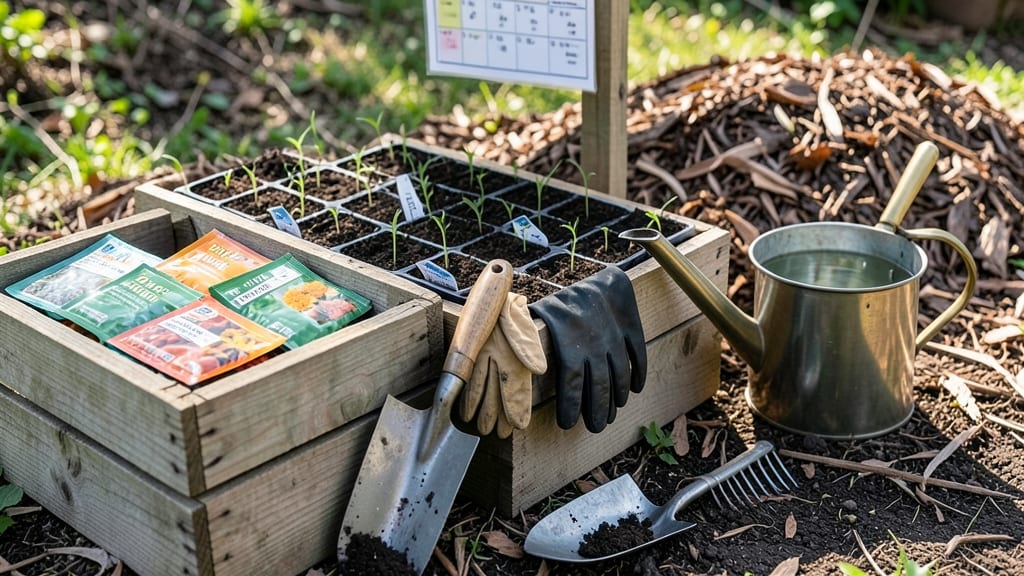
Timing your Maryland garden right makes all the difference—plant too early, and your 🌱General Garden Vegetables & Herbs could freeze; too late, and you’ll miss summer’s bounty. The 7a-7b zone gives you just 165 frost-free days, so knowing when to start is everything.
Maryland’s last frost typically lands around April 15, but coastal areas like Annapolis may wait until early May. That’s why cool-season crops like lettuce and peas need to go in 4-6 weeks before that date, while tomatoes and peppers should wait until 2-3 weeks after the frost has passed.
This guide breaks down the exact windows for your 🌱General Garden Vegetables & Herbs—whether you’re sowing seeds indoors or transplanting seedlings. We’ll also cover how to adjust for Maryland’s unpredictable weather, so you can maximize your harvest from May through September.
Ready to grow a thriving garden? Let’s get your planting schedule nailed down—no guesswork, just lush greens and ripe produce all season long.
Maryland’s frost dates by region: when to plant cool vs warm season crops
Maryland’s last frost dates vary dramatically across its three USDA zones (7a, 7b, and 8a), making timing your garden a balancing act. In Zone 7a (western Maryland), the average last frost hits April 15, while Zone 8a (coastal areas like Annapolis) can see frost-free conditions by March 20.
These differences mean your tomatoes might thrive in one county but risk frost damage just 30 miles away.
To avoid costly mistakes, I’ve broken down the critical planting windows for Maryland’s most popular crops, accounting for microclimates like Baltimore’s urban heat islands and the cooler Piedmont region. Whether you’re growing cool-season greens or heat-loving peppers, knowing these dates ensures your garden starts strong.
🌱 Key Takeaway: Plant cool-season crops 4-6 weeks before your last frost, and warm-season crops 2-3 weeks after. For example, lettuce can handle light frosts, while eggplants need warm soil to germinate.
| Region (USDA Zone) | Last Frost Date | First Frost Date | Cool-Season Planting Window | Warm-Season Planting Window |
|---|---|---|---|---|
| Zone 7a (Western MD) | April 15 | October 20 | March 15 - April 15 | May 1 - June 1 |
| Zone 7b (Central MD) | April 1 | October 15 | March 1 - April 1 | April 20 - May 15 |
| Zone 8a (Coastal MD) | March 20 | October 10 | February 15 - March 15 | April 1 - May 1 |
*Dates are averages; use a soil thermometer to confirm readiness.
For cool-season crops like kale, spinach, and peas, start seeds indoors 6-8 weeks before your last frost. These hardy plants can tolerate light frosts, but lettuce and radishes prefer soil temps above 40°F. In Zone 7a, that means waiting until mid-April for direct sowing.
Warm-season crops like tomatoes, peppers, and cucumbers demand patience—soil must reach 60°F+ for seeds to germinate.
In Zone 8a, you can plant as early as April 1, but in Zone 7a, wait until May 1 to avoid stunted growth. Basil is especially finicky; it bolts in heat, so I always start it indoors by April 15.
Maryland’s microclimates add another layer of complexity. Urban areas like Baltimore stay 5-10°F warmer than rural counties, extending the growing season by 2-3 weeks. Meanwhile, the Eastern Shore often sees earlier last frosts due to coastal breezes.
To adapt, I use row covers for early cool-season plants and black plastic mulch to warm soil faster in spring.
Don’t overlook fall planting—Maryland’s second growing season runs from August to October. Broccoli, carrots, and kale thrive when sown by July 15 in Zone 7a. Even warm-season crops like sweet potatoes can be planted in late summer for a fall harvest.
Pro tip: Use the 50°F soil rule for cool-season crops and 60°F+ for warm-season ones. A $10 soil thermometer saves guesswork—and heartache. I’ve lost count of the tomato seedlings I’ve planted too early, only to watch them wilt in a late frost.
For high-value crops like watermelons or eggplants, consider succession planting or container gardening to extend your season. In Zone 7a, I often start peppers indoors by March 1 and transplant them in May, giving them enough time to mature before frost.
Finally, keep an eye on the National Weather Service’s frost predictions—they update forecasts monthly. Last year, my Zone 7b garden saw a late-May frost that wiped out my cucumber vines. Lesson learned: Always have backup planting dates and row covers ready.
Best planting schedule for Maryland gardens: month-by-month guide
Maryland’s growing season stretches from late March to early October, but not all plants thrive in the same window. My month-by-month guide breaks down exactly when to sow seeds and transplant seedlings for maximum success—whether you're growing cool-season greens, heat-loving tomatoes, or hardy perennials.
For cool-season crops like lettuce, spinach, and peas, start seeds indoors 4-6 weeks before your last frost date (typically mid-April in most of Maryland). These plants can handle light frosts and even thrive in spring’s chill, making them ideal for early planting.
📅 Month-by-Month Planting Timeline for Maryland
- March: Start cool-season seeds indoors (lettuce, spinach, kale). Harden off seedlings by month’s end.
- April: Plant transplants outdoors after last frost (peppers, eggplants). Direct-sow radishes, peas, and carrots.
- May: Sow warm-season crops (beans, cucumbers, squash). Succession plant lettuce and spinach for fall harvest.
- June: Transplant tomatoes, peppers, and herbs. Direct-sow okra and southern peas for heat tolerance.
- July: Start fall broccoli, cabbage, and kale indoors. Succession plant bush beans for late summer harvest.
- August: Plant cool-season crops for fall harvest (spinach, arugula). Transplant garlic and onions for next year.
- September: Direct-sow hardy greens (kale, collards) and radishes. Harvest remaining warm-season crops.
Don’t overlook succession planting—this technique lets you extend harvests by staggering plantings every 2-3 weeks. For example, sow lettuce every 10 days in spring and fall to enjoy fresh greens all season. Even bush beans benefit from multiple plantings in June and July.
For warm-season crops like tomatoes and peppers, wait until soil temperatures reach 60°F+ (use a soil thermometer to check).
In Maryland’s USDA Zone 7b, this usually means late April to early May for coastal areas and mid-May inland. Herbs like basil are heat-sensitive—plant them after the last frost but before July’s heat peaks.
Fall planting is just as critical! Broccoli, cabbage, and carrots thrive when sown in August for harvests in October and November. Even spinach and kale can handle light frosts, making them perfect for late-season harvests. Don’t forget garlic—plant it in October for next summer’s crop!
Pro tip: Use row covers to extend your season. They protect cool-season crops from late frosts and warm-season plants from early chills. Just remove them when flowers appear to encourage pollination.