
Companion Plants
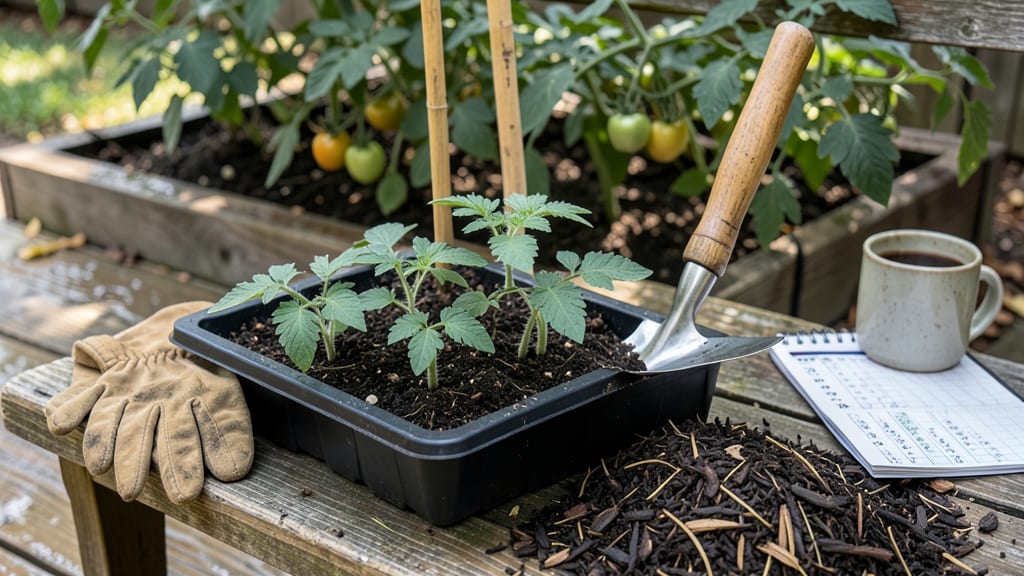
If you’ve ever wondered when should I plant tomatoes in Texas, you know timing is everything in Texas. The wrong move can mean lost harvests, while nailing the perfect window unlocks juicy, vine-ripened tomatoes all summer long.
Texas’s climate is anything but one-size-fits-all—North Texas gardeners wait patiently for March’s last frost, while South Texas growers might start as early as January.
Without the right cues, even experienced gardeners risk planting too soon (hello, 50°F soil and slow germination) or too late (missing the June-October harvest window).
I’ve cracked the code on Texas-specific planting dates, from counting frost-free days to adjusting for microclimates. Whether you’re a first-timer or a seasoned gardener, this guide will help you sidestep common pitfalls and maximize your tomato yield—no guesswork required.
Ready to turn your Texas garden into a tomato powerhouse? Let’s dive into the exact dates, soil temps, and variety picks that’ll have you harvesting like a pro by summer.
Texas last-frost dates by county: your planting timeline
Texas’s diverse climate zones mean your tomato planting schedule depends on where you live. The last frost date is your golden rule—plant tomatoes 2-3 weeks after the average last frost to give seedlings time to establish roots before summer heat arrives.
In North Texas (Zones 7-8), this often means waiting until mid-April, while South Texas (Zones 9-10) gardeners can start as early as January.
But frost dates aren’t the only factor. Soil temperature matters too—tomato seeds need 60°F+ soil to germinate properly. In cooler regions like the Panhandle or Hill Country, you might need to use black plastic mulch or a cold frame to warm the soil faster.
Meanwhile, Gulf Coast gardeners can often plant earlier because their mild winters and longer growing seasons allow for year-round production with the right varieties.
Here’s the county-by-region breakdown of average last-frost dates to help you pinpoint your planting window:
| Region | USDA Zone | Avg. Last Frost | Ideal Planting Window | Harvest Window |
|---|---|---|---|---|
| North Texas (Dallas/Fort Worth) | 7b-8a | March 15 | April 1 - April 15 | June - October |
| Hill Country (Austin/San Antonio) | 8a-8b | February 15 | March 1 - March 15 | May - November |
| Gulf Coast (Houston/Beaumont) | 9a-9b | January 15 | February 1 - February 28 | April - December |
| Panhandle (Amarillo/Lubbock) | 7a-7b | April 1 | April 15 - May 1 | July - October |
| South Texas (Corpus Christi/Brownsville) | 10a | December 15 | January 1 - March 1 | March - December |
Use this table as your planting roadmap, but always check your local county extension office for the most up-to-date frost data. Even within a region, microclimates—like a low-lying valley or a sunny hillside—can shift your ideal planting date by 1-2 weeks.
For example, the Edwards Plateau might have later frosts than nearby Austin due to its higher elevation.
Pro tip: If you’re in Zone 8a or colder, consider starting tomato seeds indoors 6-8 weeks before your last frost date. This gives you a head start on the growing season and helps you beat the heat that arrives early in Texas summers.
Seedlings are more resilient to transplant shock than mature plants, so don’t rush to move them outside until nighttime temperatures stay above 55°F.
For South Texas gardeners, the real challenge isn’t frost—it’s heat stress. Temperatures above 90°F consistently can stunt tomato growth, so focus on shade cloth or succession planting every 2 weeks to keep a steady harvest.
Varieties like ‘Heatmaster’ or ‘Solar Fire’ are bred to thrive in these conditions, so they’re worth prioritizing if you’re in Zones 9-10.
Remember, tomatoes are warm-season crops, so they need consistent warmth to produce fruit. If you plant too early and hit a late frost, your seedlings can suffer cold damage or even die.
To hedge your bets, use row covers or a mini greenhouse for the first 2-3 weeks after transplanting, especially in North and West Texas.
Finally, don’t forget that soil health plays a huge role in your tomatoes’ success. Amend your soil with compost or aged manure before planting to ensure it’s rich in organic matter. Tomatoes are heavy feeders, so well-prepared soil means faster growth and bigger yields. If
How to adjust planting dates for Texas’s microclimates
Texas’s diverse microclimates mean a one-size-fits-all planting date won’t work. For example, Lubbock’s Panhandle (Zone 7b) can still see frost in early April, while Houston’s Gulf Coast (Zone 9a) rarely drops below freezing.
Even within Central Texas’s Hill Country, elevation changes of just 500 feet can shift frost dates by 2-3 weeks. Ignoring these differences often leads to wasted seeds or stunted plants.
Soil temperature matters just as much as air temperature. Tomatoes need soil at least 60°F to germinate properly—cooler soils delay sprouting and invite damping-off disease. In North Texas, use black plastic mulch or row covers to warm the soil faster.
Meanwhile, South Texas gardeners might face heat stress if planting too early, as daytime highs can exceed 90°F by March. Always check soil temps with a soil thermometer before planting.
Here’s the critical mistake most Texas gardeners make: planting by calendar date instead of local conditions. A March 15 rule works for Dallas (Zone 8a), but Midland (Zone 8b) might still need to wait until April 1.
Use your local cooperative extension office’s frost data—or a frost calculator like the one from Texas A&M AgriLife—to pinpoint your exact window.
Common Texas Planting Mistakes
- Planting too early in Zone 8a: Late frosts (even in April) can kill seedlings. Wait for consistent 50°F nights.
- Ignoring soil temperature: Cold soil (below 60°F) delays germination and invites disease. Use mulch to warm it.
- Overlooking microclimates: A shady corner or south-facing slope can shift your frost date by 1-2 weeks.
- Skipping succession planting: In South Texas (Zone 9-10), plant every 2 weeks from January to April for continuous harvests.
For elevation adjustments, remember this rule: every 1,000 feet up adds 3-5°F to chill hours. That’s why Marfa (Zone 8a) has later frost dates than Austin (Zone 8b), even though they’re only 200 miles apart.
If you’re in a high-elevation area, extend your planting window by 10-14 days to account for cooler nights.
Another pro tip: observe your neighbors’ gardens. If their tomato plants are already flowering by mid-March, you’re likely in a warmer microclimate and can plant earlier.
Conversely, if their plants are wilting from heat by April 1, you may need to delay. Local nurseries are also a great resource—they know which varieties thrive in your specific area and when to plant them.
Finally, don’t forget about container gardening. Potted tomatoes heat up faster in full sun, so adjust your schedule 1-2 weeks earlier than in-ground plants. Use self-watering containers and lightweight potting mix to prevent soil from staying too cold.
With these tweaks, you can extend your harvest window by 4-6 weeks compared to traditional planting.