
Planting
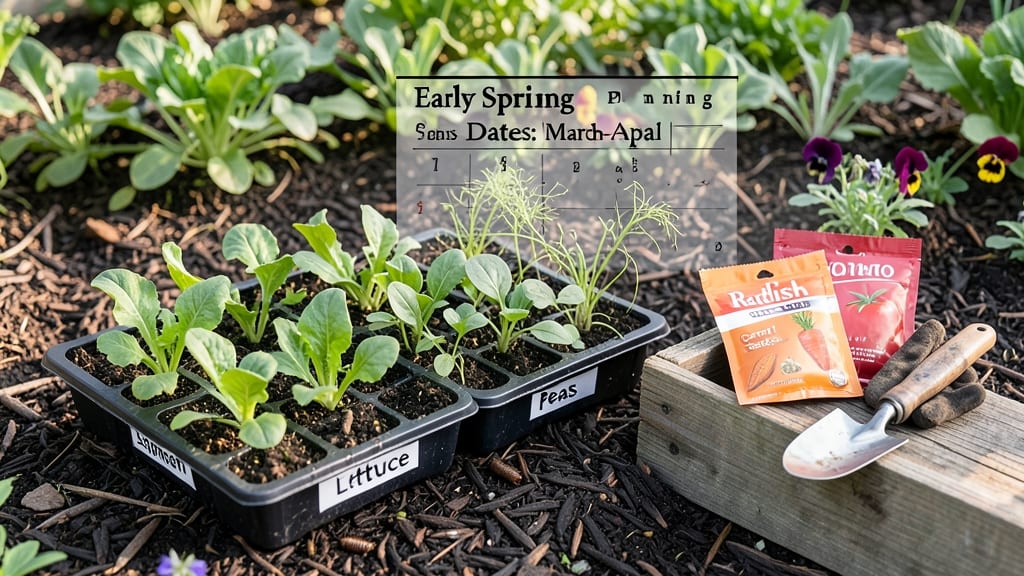
Timing your garden planting in New Brunswick can make the difference between a thriving harvest and a disappointing one. With 5a-6a zones and unpredictable frost dates, knowing exactly when to plant your 🌱 General Garden Vegetables & Flowers is crucial for success.
Miss the window by even a few weeks, and you risk bolting lettuce or stunted tomatoes. That’s why I’ve put together a zone-specific planting calendar tailored for New Brunswick’s climate—so you can grow confidently without second-guessing your schedule.
Whether you’re a seasoned gardener or just starting out, this guide will help you navigate the best planting times for spring and fall. From frost dates to soil preparation, I’ll walk you through everything you need to know to get your garden off to the right start.
Let’s dive into the exact planting windows that will set you up for a bountiful season—no guesswork required.
New Brunswick planting zones & frost dates: your 2024 cheat sheet for zero risk
New Brunswick’s USDA zones 3b-5a create a unique gardening challenge—cool springs and unpredictable frosts demand precision timing. The last average frost date typically falls around May 10-15, while the first frost arrives by October 10.
These dates vary by region, with Fredericton (Zone 4b) experiencing slightly earlier frosts than Saint John (Zone 5a). Planning around these windows ensures your tomatoes and peppers mature before winter’s chill sets in.
Understanding your heat units is equally critical. Warm-season crops like cucumbers and beans need 1,200-1,500 growing degree days (GDD) to reach maturity. In New Brunswick, this translates to planting no later than June 15 for most varieties.
Cool-season crops, however, can handle 30-50°F (1-10°C) soil temperatures, giving you a broader March-May window for kale and spinach.
Here’s your zone-specific frost date cheat sheet to avoid common pitfalls like bolted lettuce or frost-damaged seedlings. Use this as your planting timeline anchor.
🌱 New Brunswick Planting Zones & Frost Dates
| Region | USDA Zone | Last Frost Date | First Frost Date | Frost-Free Days |
|---|---|---|---|---|
| Fredericton | 4b | May 15 | October 5 | 140 |
| Saint John | 5a | May 10 | October 10 | 150 |
| Moncton | 5a | May 12 | October 8 | 148 |
| Edmundston | 4a | May 20 | September 25 | 128 |
*Dates are averages—always monitor local forecasts for adjustments.
For warm-season crops, calculate your planting window by subtracting 120-150 days from your first frost date. This means tomatoes and peppers should hit the soil by June 1 in most areas.
In Zone 4b (Fredericton), consider starting these indoors by March 15 for a head start. Cold-hardy crops like peas and spinach can go in as early as April 1, even if light frosts linger.
New Brunswick’s microclimates add another layer of complexity. Urban areas like Saint John often experience 2-3°F warmer soil temperatures than rural spots, allowing for earlier planting. Conversely, high-elevation gardens near Fundy National Park may face late May frosts.
Use row covers or cold frames to protect seedlings in these areas until May 20.
Don’t overlook fall planting—it’s your secret weapon for a second harvest. Aim to sow kale, carrots, and radishes by August 15 to mature before winter. These crops thrive in cool weather and can even survive light frosts, giving you fresh greens well into October.
Just avoid planting warm-season crops after September 1, as they won’t have enough time to mature.
Pro tip: Bookmark the New Brunswick Agriculture and Rural Development frost forecast (gnb.ca/ard) for real-time updates. Their weekly alerts can shift your planting timeline by 1-2 weeks if an early frost is predicted.
Pair this with a soil thermometer—wait until soil hits 50°F (10°C) for most vegetables and 60°F (15°C) for tomatoes and peppers.
Remember, New Brunswick’s growing season is short but sweet. By aligning your planting with these frost dates and heat unit requirements, you’ll maximize your harvests and minimize the risk of frost damage or bolting.
Start with cool-season crops in early spring, transition to warm-season stars by June, and end with hardy fall favorites—your garden will thank you with bountiful yields all season long.
Month-by-month planting schedule for New Brunswick’s most popular vegetables
New Brunswick’s short growing season demands precision—plant too early, and frost zaps your seedlings. Too late, and you’ll miss harvests. My zone-specific schedule aligns with Fredericton’s May 10 last frost and Saint John’s April 25 average, with adjustments for Moncton’s slightly later May 15 window.
Start with cold-hardy crops like peas and spinach in late April, then transition to warm-season favorites as soil warms. For succession planting, repeat sowings every 2-3 weeks for lettuce and radishes to ensure continuous harvests through September.
🌱 Key Rule: Wait until soil reaches 50°F (10°C) for warm crops like tomatoes and peppers. Use a soil thermometer—don’t guess! In cooler zones (e.g., USDA 3b in northern NB), opt for early-maturing varieties or extend seasons with row covers.
📅 New Brunswick Planting Timeline
- Late April: Peas, spinach, kale, radishes, lettuce (hardy greens)
- Early May: Carrots, beets, broccoli, cabbage, onions (cool-season crops)
- Mid-May (after frost): Potatoes, beans, corn, cucumbers (warm-season starters)
- Late May: Tomatoes, peppers, eggplants (transplant seedlings)
- June-August: Succession plant lettuce, radishes, bush beans
- August: Late-season crops: kale, spinach, turnips (for fall harvest)
For fall planting, aim for August 15 to September 15—this gives crops like kale, carrots, and Brussels sprouts time to mature before first frost (October 10). Use black plastic mulch to warm soil faster in spring or straw mulch to insulate in fall.
Pro move: Direct-sow heat-lovers like beans and cucumbers after May 15—they bolt if planted too early. For tomatoes and peppers, start seeds indoors by March 1 and transplant after June 1 when nights stay above 50°F (10°C).
Track your progress with a gardening journal to note when local frosts deviate from averages. In 2023, Fredericton saw a late-May frost that caught many off guard—adjust your dates if you experience similar surprises.