
Planting
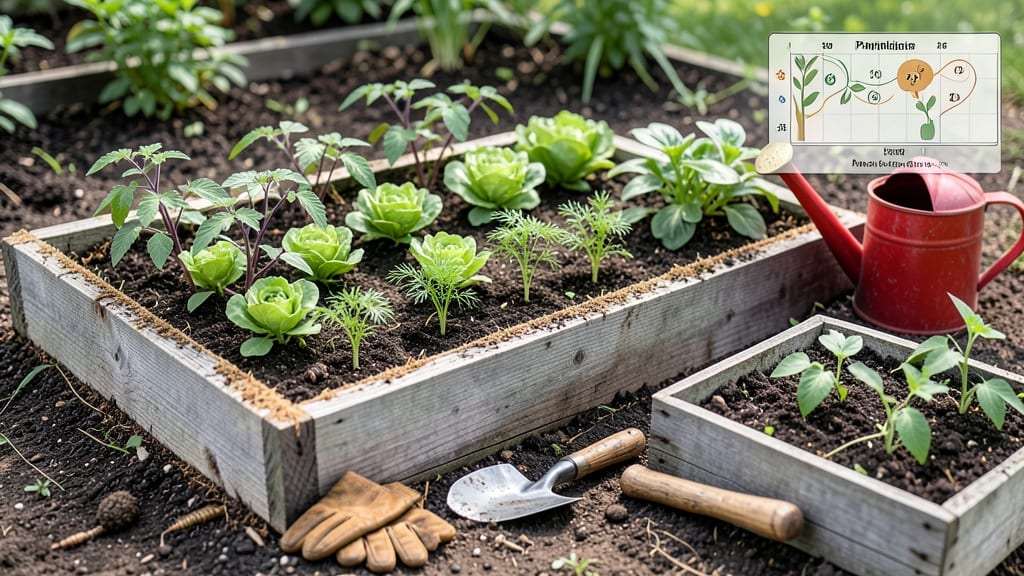
Knowing when to plant a vegetable garden in Pennsylvania isn't just about throwing seeds in the dirt—it's about outsmarting frost dates and maximizing your harvest. With zones ranging from 5b to 7a, knowing exactly when to plant can mean the difference between a bumper crop of 🥬 and a sad, wilted disappointment.
Most gardeners in PA follow two key windows: spring (mid-April to late June) for cool-season crops like lettuce and peas, and fall (late July to early September) for warm-season favorites like tomatoes and peppers.
But here's the catch—your exact deadlines depend on whether you're in Pittsburgh, Philadelphia, or somewhere in between.
I've spent years testing these windows, and I'll show you how to adjust for your specific zone. Whether you're a first-time gardener or a seasoned pro, these strategies will help you avoid late frosts and extend your harvest season. Let's get your garden growing on the right schedule.
From soil prep to succession planting, I'll break down the most important steps to ensure your vegetables thrive from seed to table. Ready to dig in?
Pennsylvania planting zones: frost dates and last-frost timelines by region
Pennsylvania’s diverse geography creates microclimates that shift last frost dates by weeks. The state spans USDA zones 5a-7a, meaning your Pittsburgh garden (Zone 6b) has earlier frost dates than Philadelphia’s (Zone 7a). Understanding these zones helps you avoid late-spring frosts that can wipe out tender seedlings.
For most of Pennsylvania, the average last frost date falls between April 15 and May 1. However, high-altitude areas like State College (Zone 5b) can see frosts as late as May 10, while coastal regions like Erie (Zone 6a) may warm up by April 20.
These variations explain why tomatoes thrive in Philadelphia but struggle in the Poconos.
Knowing your first frost date is equally critical. In most of PA, expect October 10-20 for the first killing frost. Areas like Wilkes-Barre (Zone 6a) may see frost by October 15, while Reading (Zone 7a) often holds off until October 25.
This timeline dictates when to plant fall crops like kale or spinach for a second harvest.
Use these frost dates to calculate your planting windows. For example, in Zone 6b (Pittsburgh), plant warm-season crops like peppers after May 15, while cool-season crops like spinach can go in by March 15.
Always check local almanac records for the past 5 years to account for climate variability.
High-altitude areas like Poconos Mountains (Zone 5b) face shorter growing seasons and cooler soils. Here, slow-growing crops like broccoli or cabbage should be started indoors 6-8 weeks before your last frost.
In contrast, lowland areas like Lancaster County can support two full harvests of bush beans or zucchini with proper timing.
Urban gardeners in Philadelphia or Allentown often enjoy longer frost-free periods due to urban heat islands. This allows for later plantings of warm-season crops like eggplants, which typically need 120+ frost-free days.
However, always monitor local weather forecasts—a late-May frost can still damage tomato seedlings in Zone 6a.
For container gardening in PA, remember that pots warm up faster in spring and cool down quicker in fall. This means you can plant warm-season crops 2-3 weeks
Vegetable-specific planting calendar for Pennsylvania gardens: what to sow when
Pennsylvania’s diverse microclimates mean your planting schedule should differ whether you're in Philadelphia's 6b zone or Erie's 5b zone.
Cool-season crops like spinach and kale thrive when planted 4-6 weeks before your last frost date, while warm-season stars like tomatoes and peppers need to wait until 2-3 weeks after that date.
Here’s my battle-tested month-by-month breakdown to maximize your harvest. Use these timelines as a starting point, then adjust based on your local frost history. For example, if you’ve had late frosts in past years, hold off on warm-season crops until mid-May instead of early May.
🌱 March-April (Cool-Season Start)
- Direct sow: Peas, spinach, lettuce, radishes
- Start indoors: Broccoli, cabbage, cauliflower (transplant after last frost)
- Pro tip: Use row covers to protect seedlings from late frosts
-
April-May (Cool-Season Peak)
Plant: Carrots, beets, onions, Swiss chard
Transplant: Kale, Brussels sprouts, lettuce
Harvest: Radishes, peas (early varieties) -
May-June (Warm-Season Transition)
Plant: Tomatoes, peppers, eggplants (after last frost)
Direct sow: Bush beans, cucumbers, squash
Succession plant: Lettuce, spinach (for fall harvest) -
July-August (Peak Warm-Season)
Plant: Late tomatoes, fall broccoli, cabbage
Harvest: Corn, green beans, zucchini
Watch for: Bolting in heat-sensitive greens -
September (Fall Cool-Season)
Plant: Spinach, kale, radishes, garlic (for next year)
Start indoors: Onions, leeks
Extend season: Use row covers to protect greens
Pittsburgh gardeners should shift these dates 1-2 weeks earlier than Philadelphia gardeners due to cooler nights. For instance, plant tomatoes in late May in Pittsburgh but wait until early June in Philly.
Always check your local USDA zone and track frost dates for your specific area using resources like the Old Farmer’s Almanac.
Succession planting is my secret weapon for continuous harvests. For example, sow lettuce every 2 weeks from April through July to enjoy fresh greens all summer.
Similarly, bush beans can be planted in 3-week intervals for a steady supply. This technique works especially well for fast-maturing crops like radishes and turnips.
Don’t forget about fall planting—it’s just as productive as spring! In late summer, focus on cool-hardy crops like kale, Brussels sprouts, and carrots. These thrive in cooler weather and can often be harvested well into November or December with proper protection.
I’ve had Brussels sprouts survive until Christmas with a simple frost cloth!
🌿 Pro Tip: Keep a planting journal to track what works in your specific microclimate. Note when you planted, any frost surprises, and your final harvest dates. After 2-3 years, you’ll have a customized planting schedule tailored to your PA garden’s quirks.