
Plants
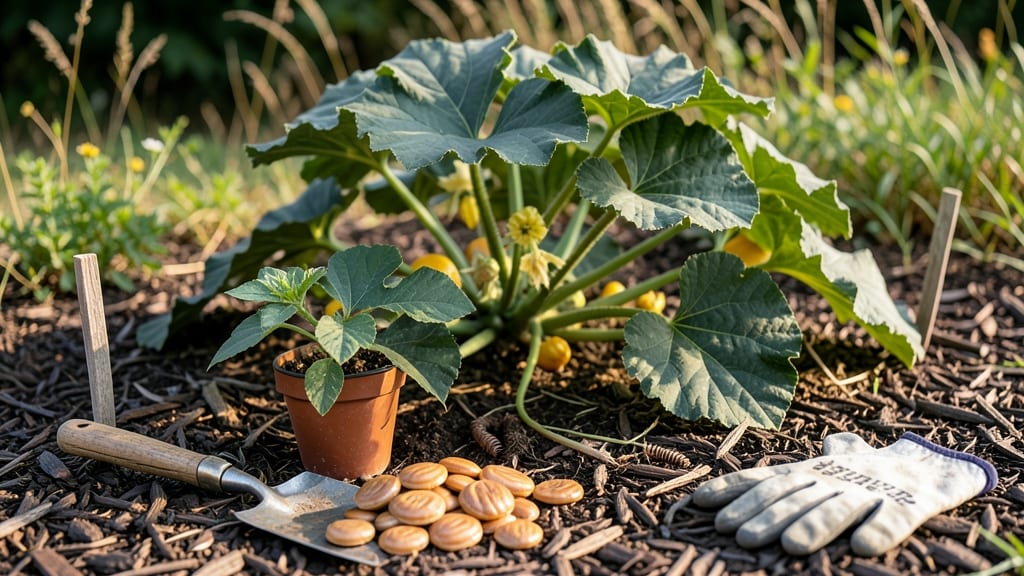
Most Florida gardeners swear by two key windows: March to April for a summer harvest or August to September for a fall bounty. But here’s the catch—your exact timing depends on whether you’re in North Florida’s Zone 8a or South Florida’s balmier Zone 11.
I’ll break down the best methods for direct sowing vs. transplants, plus how to beat Florida’s heat to ensure your squash thrives.
You’ll also discover how spacing and companion plants can work in your favor, especially in Florida’s humidity. Whether you’re a seasoned gardener or just starting, these insights will help you sidestep common pitfalls—like overwatering or ignoring soil prep—and set your acorn squash up for success from the very first seed.
Ready to turn your Florida garden into a squash haven? Let’s dive into the exact steps to plant, nurture, and harvest your 🎃 like a pro—no guesswork required.
Best planting times for acorn squash in Florida’s climate zones
Florida’s diverse climate zones mean your acorn squash planting window varies dramatically from North to South. In North Florida (Zones 8a-8b), where frost can linger until mid-January, your best bet is to plant seeds directly in the garden between mid-March and April.
This gives your squash 90-110 days to mature before December’s first frost.
For Central Florida (Zones 9a-9b), you’ve got a longer window—start seeds in late February to early March for a summer harvest or switch to August-September for a fall crop. The key is avoiding peak summer heat, which stresses young plants.
In South Florida (Zones 10a-11), frost is rare, but intense heat is the enemy. Plant seeds in July-August for a fall harvest before temperatures drop in November. Skip spring planting—your squash will bolt or wilt under 90°F+ soil temps.
🌱 Florida Acorn Squash Planting Guide by Zone
| Zone | Best Planting Window | Soil Temp Requirement | Method | Harvest Window |
|---|---|---|---|---|
| North (8a-8b) | Mid-March to April | 60°F+ | Direct sow | June-July |
| Central (9a-9b) | Late Feb-Early Mar or Aug-Sep | 60°F+ | Direct sow or transplant | May-June or Oct-Nov |
| South (10a-11) | July-August | 70°F+ (avoid 90°F+) | Direct sow | September-October |
⚠️ Pro Tip: Use a soil thermometer to confirm temps—acorn squash roots need consistent warmth to thrive.
Whether you’re direct sowing seeds or transplanting seedlings, wait until soil temperatures hit 60°F—cold soil slows germination and invites fungal diseases. For transplants, buy hardened-off seedlings from nurseries in February for spring planting or July for fall.
In North Florida, consider raising beds to warm soil faster—this can shave off 2-3 weeks of waiting. Add compost or aged manure 2 weeks before planting to boost soil fertility and speed up warming.
For Central and South Florida, shade cloth (30-50%) is your best friend during July-August plantings. It protects young squash from scorching sun while keeping roots cool. Pair this with drip irrigation to avoid leaf burn from overhead watering.
If you’re starting seeds indoors (a great move for North Florida gardeners), begin 4-6 weeks before your target outdoor date. Use biodegradable pots to avoid root disturbance when transplanting. Harden off seedlings by gradually exposing them to outdoor conditions for 7-10 days before planting.
Remember: acorn squash is a warm-season crop, but it hates extreme heat. In South Florida, August plantings often yield better than July because monsoon rains cool the soil slightly. Monitor humidity levels—high humidity + heat = powdery mildew risk.
For a second harvest, Central Florida gardeners can try a late-July transplant, but be prepared to provide afternoon shade until plants establish. South Florida growers might even squeeze in a third crop in October if you’re bold!
Best planting times for acorn squash in Florida’s climate zones
Florida’s three distinct climate zones—North, Central, and South—each demand different timing for acorn squash success. In North Florida (USDA Zones 8a-8b), where frost can linger until mid-January, aim for early spring planting between March 15 and April 15.
This gives vines time to mature before summer’s brutal heat peaks.
For Central Florida (Zones 9a-9b), you’ve got a longer frost-free window (270-300 days), so you can start seeds as early as February 15 or transplant by March 1. The key is planting before soil temps hit 85°F, which stresses young plants.
| Zone | Ideal Planting Window | Soil Temp Requirement | Frost Risk |
|---|---|---|---|
| North FL (8a-8b) | March 15–April 15 | 60–70°F | High (Jan–Feb) |
| Central FL (9a-9b) | February 15–March 15 | 65–75°F | Moderate (Dec–Jan) |
| South FL (10a-11) | August 1–September 15 | 70–80°F | None |
South Florida (Zones 10a-11) gardeners face a different challenge: intense summer heat. Here, the best window is late summer—August 1 to September 15—when temps start cooling slightly. This avoids the 90°F+ soil that can stunt growth or invite pests like squash vine borers.
Pro tip: Use shade cloth (30-50%) for early spring or late summer plantings in South Florida to protect seedlings from intense afternoon sun. Even 1-2 hours of shade can double survival rates during Florida’s hottest months.
For a second harvest, try transplanting in late July (Central/North) or early October (South). Just be ready to harvest by November 1 before cooler temps slow ripening. Heat-loving varieties like ‘Table Queen’ or ‘Autumn Ale’ handle Florida’s climate best.
Always test soil temperature with a soil thermometer—acorn squash roots need consistent warmth. If temps dip below 60°F, growth stalls. In North Florida, wait until April 1 even if seeds are ready earlier.