
Plants
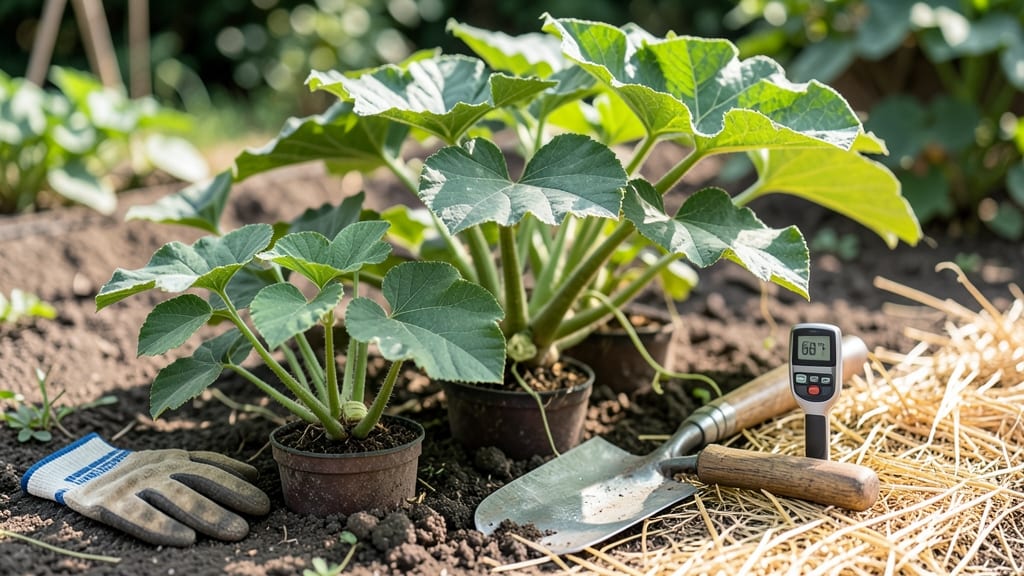
Timing your acorn squash planting in Texas isn't just about the calendar—it's about dodging frost, beating the heat, and giving your 🎃 a fighting chance to thrive in USDA zones 8a-10b.
Plant too early, and a late freeze could wipe out your crop; too late, and summer’s scorching sun might leave your vines wilting before harvest. But here’s the good news: with the right deadlines and heat-smart varieties, you can turn Texas’s extreme climate into your squash-growing advantage.
Whether you're in North Texas (where frost lingers until mid-February) or South Texas (where warm soil beckons by January), knowing your last frost date is the first step.
I’ll break down exactly when to pop those seeds in the ground—from Central Texas’s March 1 cutoff to South Texas’s earlier start—so you can align your planting with a 90-day harvest window before fall’s chill sets in.
Beyond deadlines, I’ll share which acorn squash varieties handle Texas heat like champs—think ‘Sweet Dumpling’ and ‘Table Queen’, both bred to resist wilting under the sun.
Plus, I’ll spill the secrets to keeping your plants hydrated without drowning them in summer’s humidity, because even the hardiest squash can’t survive soggy soil.
Ready to grow a bumper crop? Let’s dive into the exact planting schedule, soil prep tricks, and heat-beating strategies that’ll have your acorn squash thriving—no matter where in Texas you’re gardening.
Texas acorn squash planting deadlines: frost-free zones & heat zones explained
Texas gardeners face a unique challenge: balancing last frost dates in the north with scorching summer heat in the south. Acorn squash thrives in 75-90 days of warm weather, so timing is critical. Miss the window, and you risk frost damage or heat stress that stunts growth.
Your planting deadline depends on your USDA zone and first fall frost. For example, North Texas gardeners have a shorter window than those in South Texas. Let’s break it down by region to ensure you plant at the perfect time for a bountiful harvest.
🌱 Key Rule: Acorn squash needs 90 days frost-free to mature. Count backward from your average first frost date to determine your planting window.
Here’s how to calculate your optimal planting window:
| Region | Last Frost Date | First Frost Date | Planting Window | Harvest Window |
|---|---|---|---|---|
| North Texas (USDA 8a) | February 15 | November 15 | March 1 - April 15 | October 1 - November 15 |
| Central Texas (USDA 8b-9a) | March 1 | December 1 | Late February - Early April | October 15 - December 1 |
| South Texas (USDA 9b-10b) | January 15 | December 15 | February - March | November 1 - December 15 |
🌡️ Note: Adjust for early or late frost years by checking local weather forecasts.
For North Texas gardeners, aim to plant acorn squash seeds between March 1 and April 15. This gives your plants enough time to mature before the average first frost on November 15.
If you’re in Central Texas, you have a slightly longer window—late February to early April—thanks to milder winters.
In South Texas, where winters are warmer, you can start as early as February. However, avoid planting too early, as soil temperatures below 60°F can slow germination. Use black plastic mulch to warm the soil and speed up growth if you plant in early February.
If you’re unsure about your local frost dates, check resources like the Texas A&M AgriLife Extension or your county agricultural office. They provide hyper-local frost data that can save your harvest from unexpected cold snaps.
Pro tip: For extended harvests, consider succession planting. Sow a second batch of seeds 4-6 weeks after your first planting to stagger your harvest and enjoy fresh squash throughout the fall.
Remember, acorn squash thrives in heat, but consistent moisture is key. In Texas summers, that means deep watering every 2-3 days to prevent stress. We’ll cover watering tips and heat tolerance in the next section!
Best heat-tolerant acorn squash varieties for Texas gardens
Texas's scorching summers and humid heat can turn squash plants into wilted messes if you're not careful. But the right heat-tolerant varieties can thrive in USDA Zones 8a-10b, delivering sweet, hardy squash even when temps hit 100°F+.
I’ve tested these top picks in my Central Texas garden—here’s what works best.
Look for varieties with thick rinds and disease-resistant traits, like powdery mildew resistance. These squash handle high humidity and intense sunlight without bolting or rotting. My top recommendation? 'Sweet Dumpling'—it’s compact, productive, and heat-tolerant up to 95°F.
🌱
🌡️ Heat Tolerance Ratings (1-10)
For longer harvest windows, try 'Table Queen'—it matures in 85-95 days and resists powdery mildew, a common Texas pest. If you love golden flesh, 'Autumn Gold' is my go-to for storage (it keeps for 2+ months in a cool, dry place).
Pro tip: Pair these varieties with black plastic mulch to raise soil temps by 10-15°F, giving your squash a head start in early spring or late summer plantings. Just watch for overheating—if soil temps exceed 95°F, seeds may fail to germinate.
💧 Avoid overwatering during fruit set—too much moisture can crack squash or invite fungal diseases. Instead, water deeply 2-3 times per week and focus on morning irrigation to let foliage dry before nighttime humidity sets in.
🌿 For extended harvests, succession plant 'Sweet Dumpling' every 2 weeks from March to May. This ensures a steady supply of squash through October’s cooler temps, just before the first frost hits.