
Plants
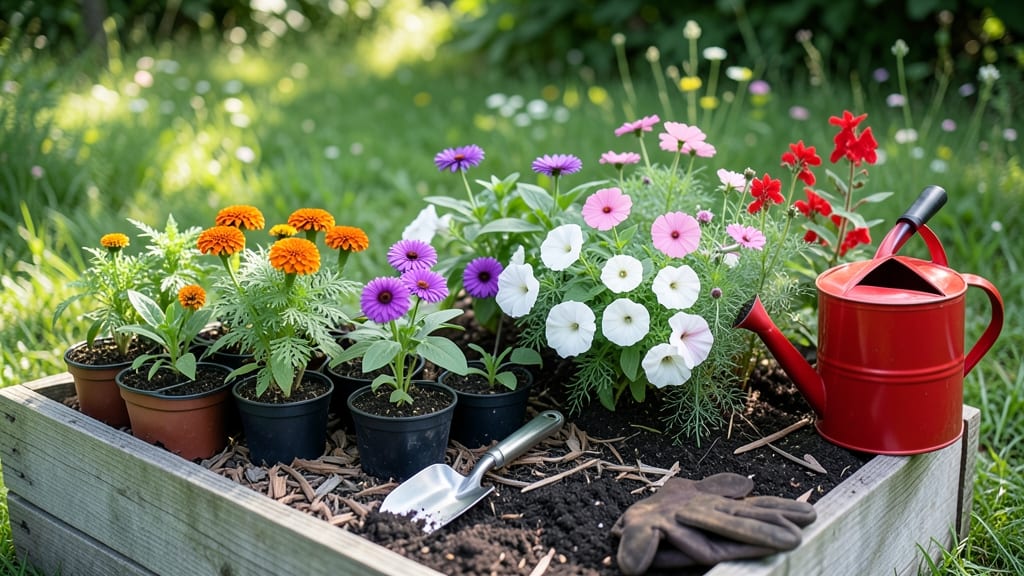
Timing your annuals planting in Connecticut right can turn a lackluster garden into a vibrant showstopper—or worse, a season of wilting disappointment.
With Connecticut’s Zone 6B-7A climate, knowing when to plant isn’t just about following a calendar; it’s about reading the soil, tracking frost dates, and choosing varieties that thrive in your microclimate.
Most gardeners in CT wait until after the last frost date (April 15), but that’s just the starting line. Whether you’re planting 🌸 cosmos for summer blooms or heat-loving tomatoes, the right window makes all the difference.
I’ll break down the exact months to plant, how to prep your soil, and whether containers or in-ground beds change your timeline.
You’ll also discover how to adjust for early or late frosts, which annuals handle CT’s short season best, and when to start fertilizing for maximum growth. Let’s get your garden off to a fast, easy start—without the guesswork.
From spring’s first warm days to fall’s second planting rush, this guide keeps you ahead of the curve. Ready to transform your yard into a year-round paradise? Let’s dig in.
CT annual planting timeline by frost dates (zone 6B vs 7A)
Connecticut’s Zone 6B-7A climate creates two distinct planting windows for annuals—spring and fall—each with critical frost date milestones. The average last frost for most of CT falls between April 15 and May 15, while the first frost typically arrives around October 15.
These dates vary slightly by region: Hartford (Zone 6B) tends to have later frosts, while Stamford (Zone 7A) enjoys a slightly longer growing season.
Your planting success hinges on understanding these microclimates. Urban areas like New Haven may experience frost 1-2 weeks earlier than rural spots, and south-facing slopes can warm up faster. Always check your local USDA Plant Hardiness Zone for precision—this guide uses Zone 6B-7A averages as our baseline.
🌱 PLANTING TIMELINE BY ZONE
For container gardening, you can push these dates slightly earlier or later—containers warm up faster in spring and cool down quicker in fall. Always monitor your soil temperature with a probe; most annuals need 50°F+ soil to thrive.
Pro tip: Use biodegradable plant pots for warm-season starts in late April—they’ll protect seedlings if a late frost hits while still breaking down safely. My marigolds always get a head start this way!
Remember, succession planting is key in CT’s short season. For example, sow bush beans every 2 weeks from May through July to ensure a continuous harvest. This strategy maximizes your 165 frost-free days and minimizes wasted space.
If you’re in Zone 6B (like Hartford), err on the side of caution—plant warm-season crops like peppers after May 15 to avoid frost damage. Zone 7A gardeners (e.g., Stamford) can safely plant 2 weeks earlier.
🌿 KEY TAKEAWAY: Your last frost date is your garden’s green light—wait for it, and you’ll avoid the heartbreak of frost-nipped seedlings. Use local CoCoRaHS data or your neighborhood’s observed frost dates for the most accuracy.
How to adjust planting for early/late frost years in CT
Connecticut’s Zone 6B-7A climate can be unpredictable—some years, the last frost arrives by April 15, while others, it lingers until May 10. These shifts can throw off even the most careful planting schedule.
The key is flexibility: knowing which cold-hardy annuals can handle early frosts and which heat-tolerant varieties will thrive if summer arrives late. I’ve planted through enough late springs to know that adjusting your timeline can save your garden from disappointment.
Over the past decade, CT’s frost-free season has varied by 10-14 days depending on the region. For example, Hartford’s last frost averages April 20, but in 2021, it didn’t arrive until May 5.
Meanwhile, Stamford’s coastal microclimate often sees frost-free conditions 7-10 days earlier than inland areas. Planning for these variations means the difference between a bountiful summer garden and a season of missed opportunities.
🔹 Visual Element: Numbered Highlights 🔹
If you’re in Zone 7A (southern CT), you might get away with planting warm-season annuals like tomatoes or peppers by May 1. But in Zone 6B (northern CT), wait until May 15 to avoid frost damage. I once lost an entire bed of begonias because I planted them too early in a late-spring frost—a mistake I won’t repeat! Use local Cooperative Extension Service data to track frost trends in your area.
For container gardening, flexibility is even easier. Move pots to protected spots (like near a south-facing wall) if frost is forecasted. Containers also warm up faster in spring, so you can start planting 2-3 weeks earlier than in-ground annuals.
Just ensure your pots have drainage holes to prevent waterlogged roots in CT’s wet springs.
Pro tip: Keep a gardening journal to track your local frost dates and planting successes. Over time, you’ll spot patterns—like whether your microclimate (e.g., near a pond or hill) warms up faster than the rest of your yard.
This knowledge will help you fine-tune your planting schedule year after year, making your CT garden more resilient to climate quirks.