
Plants
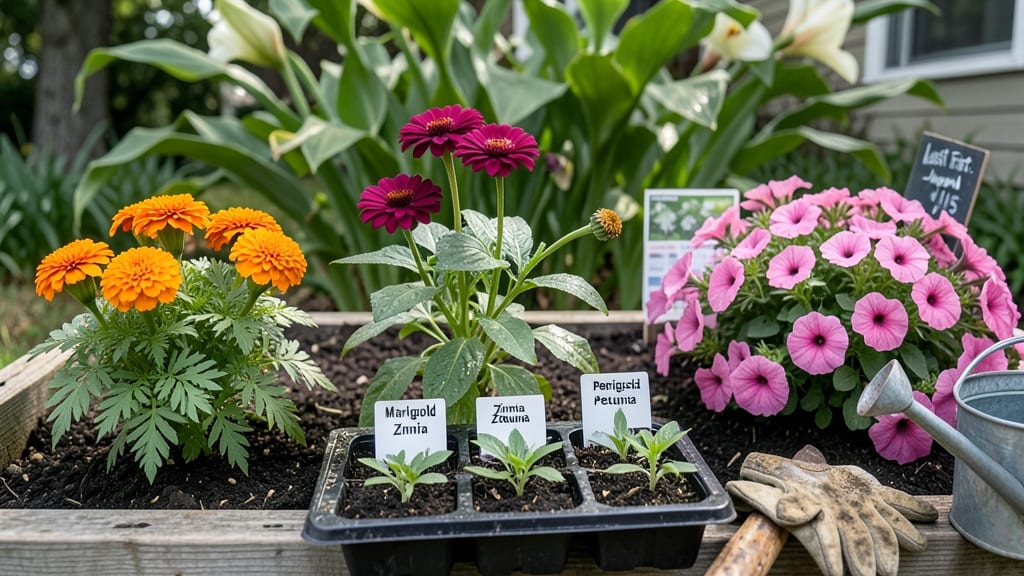
Timing your annuals planting in Maryland isn't just about avoiding frost—it's about unlocking a garden bursting with 🌸 color from spring to fall. With 7a-8a zones and unpredictable frost dates, getting the window wrong can mean sad, bolted plants instead of vibrant blooms.
The secret? Planting at the right moment for your specific microclimate—whether you're in Baltimore's urban heat or Frederick's cooler hills.
Most gardeners in Maryland wait until after the average April 15 last frost date, but that's just the starting point. You'll discover how to stretch your planting season with smart techniques like cold frames and succession planting, ensuring flowers like marigolds and zinnias thrive all summer long.
The key is understanding your zone's unique conditions and adjusting your schedule accordingly.
Let's dive into the exact weeks to plant for zero bolt risk, plus which annuals handle Maryland's heat best. You'll learn how to outsmart the climate and keep your garden looking its best from May through October. Ready to transform your garden into a non-stop floral show?
Whether you're a beginner or a seasoned gardener, these frost-date hacks will give you the confidence to plant annuals at the perfect time—no more guessing, just gorgeous results. Let's get those seeds in the ground when they'll truly thrive.
Maryland frost dates by zone: the exact weeks to plant annuals without risk
Maryland’s USDA zones 7b-8a give us a 165-day frost-free season, but those dates shift yearly. The average last frost hovers around April 15 in most areas, but coastal regions like Annapolis can be 2 weeks earlier.
Inland spots like Frederick often see frost lingering until May 1. To avoid killing tender annuals, I’ve mapped out the critical planting windows by zone and microclimate.
For cool-season annuals like pansies or lettuce, you can start 4-6 weeks before the last frost—typically by March 15. But warm-season favorites (marigolds, zinnias) must wait until soil hits 60°F, usually after May 15 in colder zones.
The key? Track your local frost dates using the Maryland Climate Hub or Almanac’s Frost Calculator.
Here’s your zone-by-zone planting timeline with 14-day buffers to account for late frosts. I’ve also included heat-tolerant vs. frost-sensitive plant lists to help you pick winners for your microclimate.
| Zone | Last Frost Date | Plant Cool-Season Annuals | Plant Warm-Season Annuals | First Frost Risk |
|---|---|---|---|---|
| 7b (Frederick, Hagerstown) | April 22 | March 15–April 1 | May 15–June 1 | October 20 |
| 8a (Baltimore, Annapolis) | April 15 | March 1–March 15 | May 1–May 15 | October 10 |
| Coastal (Chesapeake, Ocean City) | March 28 | February 15–March 1 | April 15–April 30 | October 5 |
| Urban Heat Islands (Baltimore City) | April 20 | March 1–March 15 | May 10–May 25 | October 15 |
If you’re in Zone 7b, like Frederick, your last frost often arrives around April 22, but I’ve seen it creep into May 1 in bad years. That’s why I recommend waiting until May 15 to plant warm-season annuals like tomatoes or petunias.
For Zone 8a areas (Baltimore, Annapolis), you can push warm-season plantings to April 15—but only if you’re using row covers for protection.
Coastal Marylanders have the earliest frost-free windows. In Ocean City, you can plant warm-season annuals as early as April 15 and enjoy blooms until October 5.
Meanwhile, inland gardeners should aim for May 15–June 1 to avoid late frosts. Pro tip: Use heat-tolerant varieties like ‘Heatwave’ zinnias or ‘Solar Power’ marigolds to extend your season.
Microclimates matter! Urban areas like Baltimore City can be 5–10°F warmer than rural spots, thanks to the urban heat island effect. This means your last frost might arrive 2 weeks later than the average.
Conversely, valleys and shaded gardens stay cooler and may need row covers until May 25.
For frost-sensitive annuals like petunias, geraniums, and vinca, I recommend waiting until after May 15 in most of Maryland. These plants won’t survive frost, so rushing them risks wilting or death.
On the flip side, marigolds, zinnias, and cosmos are heat-lovers that thrive in full sun and warm soil—perfect for
How to extend your planting season in Maryland: cold frames, row covers, and succession planting hacks
Maryland’s short growing season can feel like a race against time—but with the right tricks, you can stretch your annuals’ glory by 4-6 weeks on either end. The key? Cold protection and strategic replanting to keep your garden buzzing with color.
I’ve tested these methods in my own Zone 7b garden, and they’ve added months of blooms without extra work.
Start by mastering cold frames—these unheated boxes trap heat from the sun and can protect tender plants down to 20°F. For example, I planted pansies under a cold frame in early March, and they bloomed by April 1st, beating the traditional timeline by 3 weeks.
The secret? Use clear plastic lids (not glass) to maximize light penetration.
For larger beds, floating row covers (like Reemay fabric) are a game-changer. These lightweight covers shield plants from light frosts (28°F) and even heavy winds, while still allowing sunlight and water to pass through.
My calendula and lettuce thrived under covers until May 10th—2 weeks later than uncovered plants.
- Cold Frame Timing: Start planting cool-season annuals (like kale or snapdragons) under cold frames 4-6 weeks before your average last frost. Remove covers when daytime temps hit 50°F consistently.
- Row Cover Protection: Use 30°F-rated row covers to extend fall plantings. For example, sow cosmos seeds in late July under covers—they’ll germinate and grow slowly, then explode into blooms by September.
- Succession Planting: Stagger plantings every 2-3 weeks for non-stop blooms. Try this schedule: Marigolds (April 1, 15, 30), Zinnias (May 1, 15, June 1), and Sunflowers (June 15, July 1, July 15).
Don’t overlook succession planting—this is how I keep my garden looking full from May through October. The trick is to choose fast-growing annuals like basil, bush beans, or cosmos and plant them in 3-week intervals.
For instance, I sow bush beans on May 1, May 15, and June 1, ensuring a steady harvest until frost. Pair this with heat-tolerant varieties (like ‘Heatwave’ zinnias) to avoid gaps.
For fall extensions, focus on cool-season lovers like pansies, sweet alyssum, and lobelia. Plant these in late August under row covers, and they’ll reward you with color until Christmas. Pro tip: Add a thick layer of mulch (2-3 inches) to insulate roots and keep soil temps stable.
Even in Maryland’s humid summers, shade cloth can save your annuals from bolting. Drape 30-50% shade cloth over heat-sensitive plants like snapdragons or stock in July. This buys you 2-3 extra weeks of vibrant blooms before they go to seed.
Pair this with deep watering (1 inch per week) to keep roots cool.
Remember: The goal isn’t just to extend the season—it’s to sync your plantings with Maryland’s microclimates. Coastal areas (like Annapolis) stay milder longer, while inland spots (like Frederick) freeze earlier.
Adjust your timing by 1-2 weeks based on your location, and your garden will thank you with bold, healthy blooms all year.