
Plants
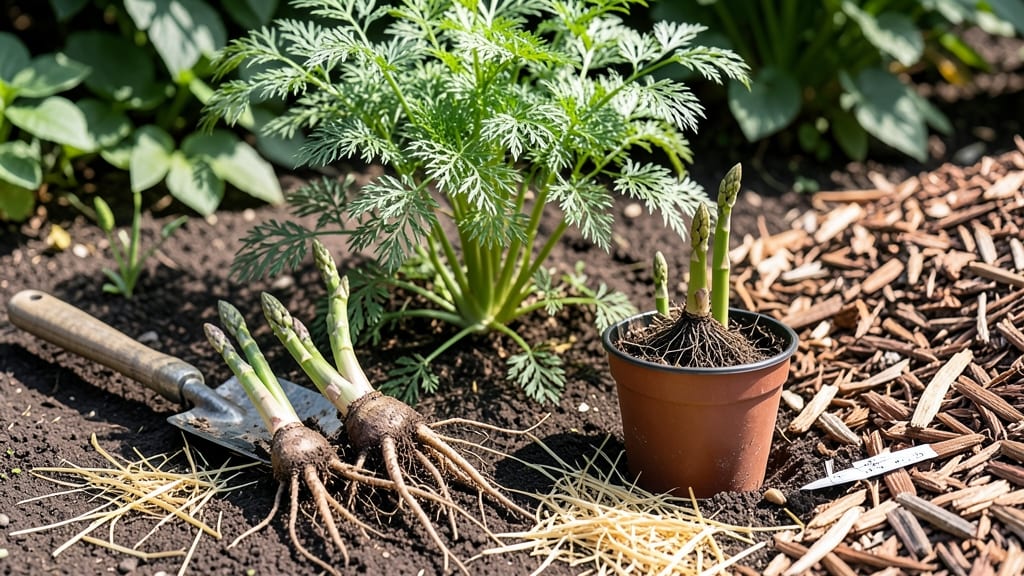
If you're dreaming of a homegrown asparagus harvest in Massachusetts, when to plant asparagus in Massachusetts is the key to success—and getting it wrong could mean waiting another year for spears.
The perfect window for planting asparagus crowns in Zone 6a opens in early spring, but rushing too soon risks frost damage, while waiting too long stunts root development.
Here’s the secret: Plant your 🌱 asparagus crowns between March and April, when soil temperatures hover around 50°F and the last frost date (usually April 15) is just weeks away.
This timing ensures strong root establishment before summer’s heat sets in, setting you up for harvests in years two and three.
Why does this matter? Asparagus is a patient plant—it takes 2-3 years to mature, but once established, it rewards you with decades of harvests.
The right planting schedule in Massachusetts means avoiding common pitfalls like fungal diseases (thanks to our humid summers) and poor soil drainage (a problem in clay-heavy areas).
I’ll walk you through the exact steps—from soil prep to crown placement—and share the top cold-hardy varieties that thrive in New England’s unpredictable climate. Let’s get your asparagus bed off to the right start!
Best months to plant asparagus in Massachusetts for maximum yield
Timing your asparagus planting in Massachusetts is critical—this perennial vegetable thrives when planted in early spring (March to April) when soil temperatures reach 50°F (10°C).
The last average frost date for most of Massachusetts is around April 15, but coastal areas like Cape Cod may see frost lingering until May 1. Planting too early risks frost damage to tender crowns, while waiting too long delays root establishment.
For maximum yield, align planting with your region’s microclimate. Inland areas like Worcester or Springfield can plant as early as late March, while coastal zones should wait until mid-April. Fall planting is not recommended in Massachusetts due to the short growing season and early winter frosts.
Asparagus crowns should be planted when they’re 1-year-old and dormant, typically available in early spring. Look for plump, firm crowns with multiple buds—these will establish faster. Avoid planting in clay-heavy soils unless amended, as poor drainage leads to root rot in Massachusetts’ humid summers.
Here’s the ideal planting timeline for Massachusetts:
| Stage | Action | Massachusetts Timing |
|---|---|---|
| Soil Preparation | Amend with compost, test pH (6.5-7.5) | February-March |
| Crown Purchase | Buy 1-year-old crowns from nursery | Early March |
| Planting Window | Plant crowns 6-8" deep, 12-18" apart | Late March-Mid April (inland) / Mid April-Early May (coastal) |
| First Year Care | No harvest; let foliage grow for root establishment | April-October |
| Harvest Ready | Spears emerge in Year 2 (April-June) | Years 2-3 onward |
If you miss the spring window, you can try late-spring planting (May) but expect a delayed harvest. The key is ensuring crowns have 8-10 weeks of warm soil before the first frost.
For example, in Zone 5b (Western MA), aim to plant by April 15; in Zone 6a (Eastern MA), extend to May 1.
Pro tip: Use black plastic mulch in early spring to warm soil faster and extend your planting window by 1-2 weeks. This is especially useful in cooler inland areas like the Berkshires. Always plant on a cloudy day to reduce transplant shock from wind and sun.
For organic gardeners, mix in well-rotted manure or compost during planting to boost nutrient availability. Avoid fresh manure, which can burn tender roots. Mulch with straw or wood chips after planting to retain moisture and suppress weeds—a must in Massachusetts’ humid summers.
Remember: Asparagus is a perennial investment. With proper timing, your bed can produce for 15-20 years. The first year is all about root growth, so resist the urge to harvest—patience pays off with bountiful spears in years two and three.
🌱
Best months to plant asparagus in Massachusetts for maximum yield
Massachusetts’ USDA Zone 5-6 climate means asparagus crowns must go into the ground at the right time—too early and frost will damage tender roots, too late and your first harvest will be delayed by a full year.
The ideal planting window is early spring, specifically March through mid-April, when soil temperatures reach 50°F (10°C) at least 1 inch deep. This aligns with Massachusetts’ last frost date around April 15, giving roots time to establish before summer heat arrives.
For coastal areas (like Cape Cod or Boston), where spring arrives 1-2 weeks earlier, you can start as early as late February.
Inland regions (e.g., Worcester or Springfield) should wait until mid-April to avoid frost damage. Fall planting is possible but risky—only attempt it in late August to early September with crowns planted 6-8 inches deep to protect them from winter freezes.
Here’s the exact schedule based on Massachusetts’ microclimates:
| Region | Best Planting Window | Soil Temp Threshold | Key Consideration |
|---|---|---|---|
| Coastal (Zone 6a) | Late February – Early April | 50°F (10°C) | Warmer soils thaw earlier; watch for early spring rains. |
| Inland (Zone 5b) | Mid-April – Early May | 55°F (13°C) | Colder soils delay root growth; wait for consistent warmth. |
| Fall Planting (Anywhere) | Late August – Early September | 60°F (16°C) | High risk; only for experienced gardeners with deep mulch. |
Pro tip: Use a soil thermometer to confirm readiness—50°F (10°C) is the magic number for root growth. If your soil is colder, wait 1-2 weeks or use black plastic mulch to warm it faster. Never plant in frozen or waterlogged soil, as this causes rot and stunted growth.
Once planted, asparagus crowns take 2-3 years to reach full production, but the first-year roots need to establish deeply. Avoid harvesting spears in Year 1—this weakens the crown and delays your first bountiful harvest. Instead, let the foliage grow tall to build energy for next year’s crop.
For maximum yield, align planting with Massachusetts’ 165 frost-free days. Early spring plantings give roots the longest growing season, while fall plantings risk winter heave or frost damage. Stick to March-April for foolproof results.