
Trees
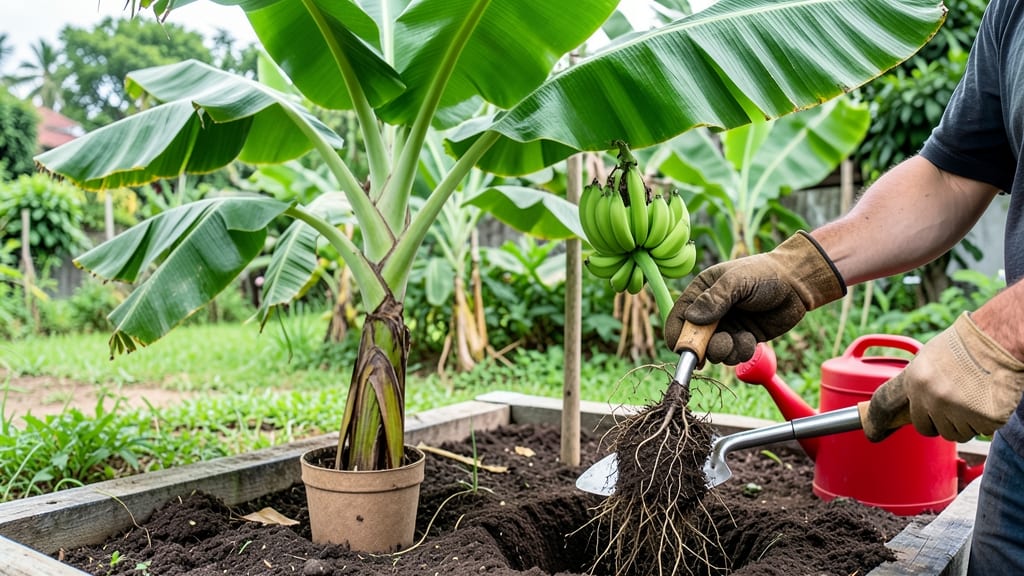
Planting banana trees in Florida at the right time could mean the difference between a thriving 🍌 grove and a struggling sapling. Unlike other states, Florida’s warm climate lets you grow bananas year-round—but timing still matters to avoid stunted growth or frost damage, especially in northern regions.
I’ve seen firsthand how a spring planting in Florida’s frost-free zones leads to faster growth and earlier harvests. Whether you’re in Miami’s balmy south or Orlando’s slightly cooler central area, knowing the best window for your specific zone is the key to success.
In this guide, I’ll break down the exact months to plant based on your Florida region, plus tips for preparing your soil and protecting young trees. You’ll discover how to maximize your banana tree’s potential so you can enjoy homegrown fruit in just 60-90 days.
Ready to grow bananas that actually thrive? Let’s get started with the best planting strategies for your Florida climate.
Best planting months for banana trees in Florida by region
Florida’s three distinct climate zones—North, Central, and South—each offer unique windows for planting banana trees. In South Florida (Zones 10-11), where frost is nearly nonexistent, you can plant year-round, but spring and fall yield the fastest growth.
Meanwhile, Central Florida (Zones 9-10) gardeners should aim for March through May to avoid late-winter cold snaps, while North Florida (Zones 8-9) demands April to June planting to outpace frost risks entirely.
Timing matters because banana trees thrive in warm soil—ideal temperatures hover between 70°F and 85°F. Planting too early in cooler months can stunt root development, delaying fruiting by 6 to 12 months.
Conversely, summer planting in North Florida risks heat stress during establishment, so always check soil temperature before committing.
Let’s break down the optimal planting windows by region, including microclimate considerations like coastal humidity or inland dryness that can shift your strategy.
| Region | Best Planting Months | Soil Temp Goal (°F) | Key Considerations |
|---|---|---|---|
| South Florida (Zones 10-11) | Year-round (Peak: Mar-May, Sep-Nov) | 70°F+ | Humidity helps; watch for hurricane season (Jun-Nov) when planting outdoors. |
| Central Florida (Zones 9-10) | March–May (Avoid Jun-Aug) | 75°F+ | Late frosts possible; container growing extends options for urban areas. |
| North Florida (Zones 8-9) | April–June (Never before last frost) | 80°F+ | Frost risk up to February; prioritize sheltered microclimates. |
For North Florida gardeners, the last frost date—typically mid-March—marks your cutoff. Planting a dwarf banana variety like ‘Lady Finger’ in containers lets you move trees indoors during cool snaps, extending your growing season.
In Central Florida, aim for March to give roots time to establish before summer’s intense heat.
In South Florida, where banana trees grow aggressively, fall planting (September–November) avoids summer’s peak pests like banana aphids and gives plants a head start before winter’s mild slowdown.
However, if you’re in coastal areas, salt spray can damage young leaves—rinse plants after storms to prevent leaf burn.
Pro tip: Use a soil thermometer to confirm readiness. Banana roots need consistent warmth—if soil temps dip below 65°F, growth halts until conditions improve. In North Florida, this often means waiting until late April even if the air feels warm.
Regional microclimates also play a role. For example, Orlando’s inland areas may experience drier soil than Tampa’s coastal humidity. Adjust watering accordingly: drip irrigation works best for inland sites, while mulch rings help retain moisture near the coast.
Finally, banana tree varieties respond differently to timing. ‘Red Dacca’ (a robust type) thrives when planted in early spring across all zones, while ‘Ice Cream’ bananas (smaller, sweeter) tolerate slightly cooler soils and can be planted as late as June in North Florida.
By aligning your planting schedule with your local frost dates and soil conditions, you’ll set your banana trees up for faster fruiting and healthier growth—whether you’re in Miami’s heat or Jacksonville’s occasional chill. 🌱
Signs your Florida soil and climate are ready for banana trees
Before sticking a banana tree sapling in the ground, check if your Florida soil and climate are truly ready. Banana trees thrive when soil temperatures stay above 65°F (18°C) and humidity levels are high—both common in Florida but not always consistent across regions. Coastal areas often have salt exposure, while inland zones may struggle with sandy, nutrient-poor soil.
Let’s break down the key signs your garden is prepared.
First, test your soil temperature using a soil thermometer. Banana trees need warm soil to establish roots quickly. Dig a hole and check—if it’s below 65°F (18°C), wait a few weeks. South Florida’s soil warms faster than North Florida’s, so timing matters.
Also, look for well-draining soil; banana trees hate soggy roots. If your yard floods after heavy rain, amend with compost or plant in raised beds.
Next, monitor humidity levels. Banana trees love 70%+ humidity, which Florida usually delivers, but dry inland areas (like parts of Central Florida) may need extra care.
Use a hygrometer or watch for wilting leaves—if they droop by midday, your microclimate might be too dry. Mulch heavily to retain moisture and mimic tropical conditions.
Watch for pests and diseases that thrive in Florida’s heat. If you spot aphids or banana weevils in nearby plants, treat the soil with neem oil before planting. These pests can devastate young banana trees.
Also, check for fungal spores—banana trees are susceptible to sigatoka leaf spot in humid conditions. A clean planting site reduces risks.
If you’re near the coast, test soil salinity first. Salt buildup from ocean spray can stunt growth. Rinse the topsoil with fresh water or plant in elevated beds to avoid salt damage. Banana trees are tropical but not salt-tolerant!
Finally, observe rainfall patterns. Banana trees need consistent moisture but can’t handle waterlogged soil. If your area has dry spells (common in summer), plan to water deeply 2-3 times per week until roots establish. In South Florida’s wet season, ensure drainage is excellent to prevent root rot.
When you see warm soil, high humidity, and pest-free conditions, your banana tree is ready to thrive. Start planting in April-May for North Florida or March-April for South Florida—just in time for the growing season! 🌱💧