
Plants
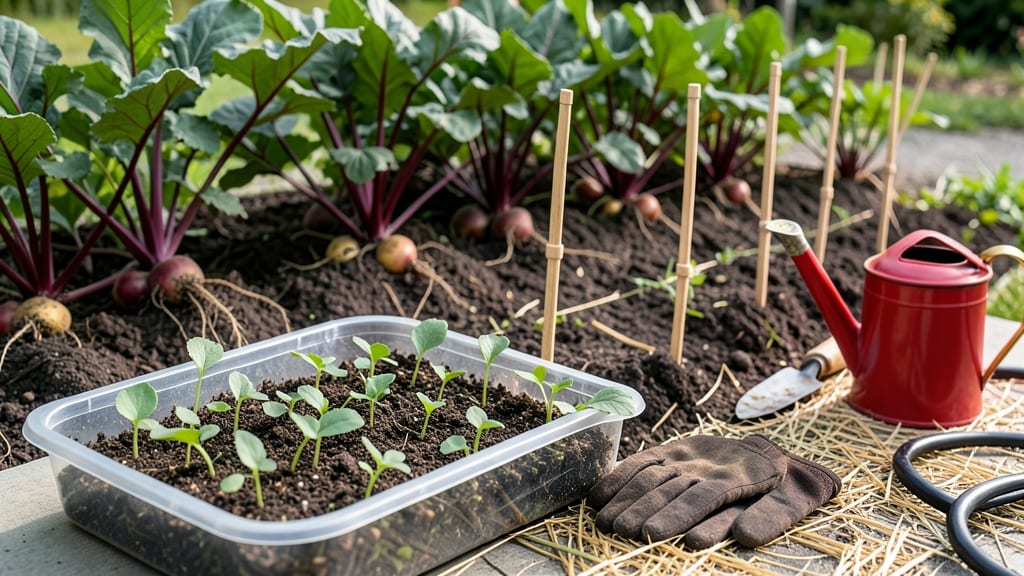
If you’ve ever tried when to plant beets in Arizona and ended up with bitter, woody roots instead of tender, sweet harvests, you’re not alone. The key to success lies in planting them at the right time—when the desert heat isn’t pushing them into early bolting.
With just a few adjustments, you can turn your garden into a beet bonanza, even in USDA Zone 9b.
Timing is everything when it comes to 🍠 beet cultivation in the desert. Planting too early in the sweltering summer months means your beets will bolt before you can harvest, while waiting too late risks stunted growth from cooler temperatures.
The sweet spot? Focus on fall planting (September-November) and early spring (February-March) to align with Arizona’s natural climate rhythms.
In this guide, I’ll walk you through the exact months to plant for maximum yields, how to avoid bolting in the heat, and even how to extend your harvest season with smart succession planting.
Whether you're a seasoned gardener or just starting out, these tips will help you grow beets that are as delicious as they are easy to cultivate.
Ready to turn your Arizona garden into a beet-growing powerhouse? Let’s dive into the secrets of desert-friendly planting that will keep your harvests coming all season long.
Best months to plant beets in Arizona’s climate zones
Arizona’s diverse climate zones—from the scorching low desert of Phoenix to the cooler high desert of Flagstaff—create unique planting windows for beets. Timing matters because beets bolt (flower prematurely) when stressed by heat or cold.
In Arizona, the ideal planting windows are fall and early spring, when temperatures are mild and soil stays consistently moist.
For low desert areas like Phoenix and Tucson (USDA Zone 9b-10a), focus on September through November plantings. These months offer cooler nights and shorter days, reducing heat stress.
Meanwhile, high desert regions like Flagstaff (Zone 7a-8a) can extend plantings into late spring (March-April) thanks to their cooler climate.
Soil temperature is critical—beets germinate best in soil that’s 50-70°F. In Arizona, this means waiting until late summer for fall plantings and early spring for spring plantings. Use a soil thermometer to check before sowing, especially in low desert areas where soil can stay hot well into October.
Here’s how Arizona’s three main climate zones differ in beet planting:
Avoid planting beets in Arizona’s summer months (June–August) unless you’re using shade cloth and drip irrigation. Even then, expect smaller yields and bolting due to the 110°F+ soil temperatures common in the low desert.
For high desert areas, summer planting is possible with heavy mulch to keep roots cool.
In low desert zones, start seeds indoors in late August and transplant outdoors in early September to give them a head start. This two-step method helps beat the heat and ensures larger roots by harvest time.
For high desert zones, direct sow in March for spring harvests or September for fall harvests, aligning with local frost dates.
Pro tip: Use a thermometer to monitor soil temps—beets won’t germinate well if soil exceeds 80°F. In Phoenix, this often means waiting until mid-September for direct sowing. In Flagstaff, you can start as early as late February if nights stay above 40°F.
For year-round harvests, plan for two main plantings: one in fall (September–October) and one in early spring (February–March). This successive planting strategy ensures a steady supply of fresh beets, even in Arizona’s extreme climate.
Remember: Beets are cool-season crops, so they thrive when days are shorter and nights are cooler. In Arizona, this means fall and spring are your best bets for sweet, tender roots without the bitterness of heat stress.
Best months to plant beets in Arizona’s climate zones
Arizona’s diverse climate zones—from Phoenix’s low desert to Flagstaff’s high desert—create unique challenges for beet growers. The key to success lies in planting during cooler months when soil temperatures stay below 75°F to prevent bolting.
In the low desert (USDA Zone 9b-10a), aim for September through November plantings, while high desert (Zone 7a-8a) gardeners can start as early as late February.
Soil temperature is your best indicator—wait until it drops to 60-70°F before sowing seeds. Using a soil thermometer eliminates guesswork. For transitional zones like Tucson, split plantings between late summer and early fall work best, balancing heat tolerance with frost risk.
| Zone | Best Planting Window | Soil Temp Threshold | Key Consideration |
|---|---|---|---|
| Low Desert (Phoenix) | September 15 - November 15 | Below 75°F | High heat risk after Nov 15 |
| Transitional (Tucson) | August 20 - November 1 | Below 70°F | Microclimates vary by elevation |
| High Desert (Flagstaff) | February 20 - March 31 | Above 50°F | Frost risk after April 15 |
For Phoenix gardeners, September plantings yield harvests by December, while Flagstaff’s cooler springs allow for March-April sowings with harvests by June. Always check your local frost dates—Arizona’s last frost typically occurs around December 15 in most areas, giving you a 240-day frost-free window to work with.
Pro tip: Use black plastic mulch in spring to warm soil faster, or shade cloth in summer to extend the growing season. These tricks help you push boundaries while keeping your beets from bolting prematurely.
Remember, succession planting is your secret weapon. By staggering sowings every 2-3 weeks within your zone’s ideal window, you’ll enjoy a steady supply of beets instead of one overwhelming harvest. This works especially well in Arizona’s transitional zones where microclimates create pockets of perfect growing conditions.
If you’re in Zone 10a, don’t be afraid to try December plantings under shade cloth—just monitor soil temps closely. The goal is to keep roots growing slowly and steadily rather than bolting from stress.
For a foolproof approach, mark your calendar for September 15 and February 20 as your primary planting dates. These dates align with Arizona’s coolest months while avoiding the extreme heat that triggers bolting. With this timing, you’ll enjoy sweet, tender beets all the way through winter and into spring!