
Plants
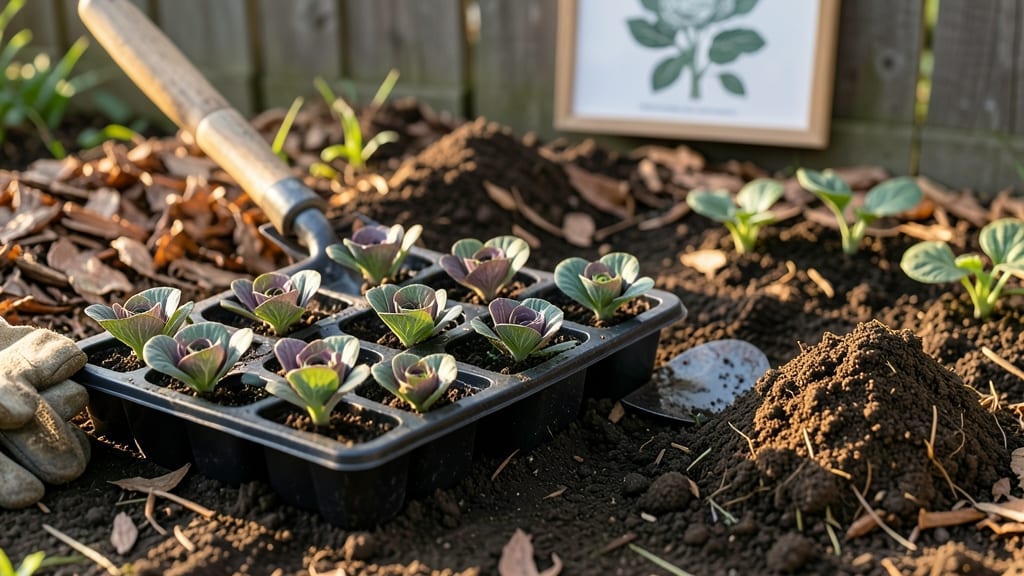
Timing your 🥬 cabbage planting in South Carolina is the secret weapon that separates crisp, flavorful harvests from bitter disappointments. Skip the wrong window, and you risk bolting heads or stunted growth from summer heat—both garden heartbreaks.
But get it right, and you’ll enjoy fresh, homegrown cabbage from spring through fall with minimal fuss.
Here’s the game-changer: in zones 7b-8a, your best bets are March-April for spring planting or August-September for fall. These windows align perfectly with soil warmth and cooler temperatures, giving your cabbage the ideal start.
Even better, you can stretch your harvest by using shade cloth or row covers to protect tender seedlings from South Carolina’s infamous summer heat spikes.
Why does this matter? Because cabbage thrives on consistency—too much heat or cold stress triggers bolting (that’s when it flowers and turns bitter). By following these exact months, you’ll avoid the most common mistakes gardeners make.
Plus, I’ll show you how to choose heat-tolerant varieties that actually perform in our humid climate, so you’re not left guessing.
Ready to unlock a year-round cabbage supply? Let’s dive into the exact planting schedule, variety picks, and pro tips to keep your garden productive—no matter what South Carolina throws at you. Your first perfect head is just a few weeks away.
South Carolina cabbage planting calendar: exact months to avoid bolting & heat stress
Timing is everything when growing cabbage in South Carolina. The state’s USDA zones 7b-8a and long, humid summers demand precision—plant too early, and cold snaps trigger bolting; too late, and 90°F+ heat stunts growth. Mastering these windows ensures crisp, bolting-free heads from spring through fall.
South Carolina’s last frost date typically falls around March 15, while the first frost arrives by November 15. These dates anchor your planting schedule, but temperature thresholds (not just frost) dictate the real sweet spot.
Cabbage thrives in 55–75°F soil temps—any hotter, and it bolts; cooler, and growth slows.
Here’s your seasonal planting breakdown, including exact months, temperature safeguards, and row cover hacks to stretch your season:
📅 South Carolina Cabbage Planting Summary
| Season | Planting Window | Key Temperatures | Harvest Window | Pro Tip |
|---|---|---|---|---|
| Early Spring | February–March (4–6 weeks before last frost) | Soil: 55–65°F Air: 60–70°F |
June–July | Use row covers if nights dip below 50°F. |
| Late Spring | April–May (transplants only) | Soil: 60–70°F Air: 70–80°F |
July–August | Choose heat-tolerant varieties (e.g., ‘Crimson Love’). |
| Fall | August–September (8–10 weeks before first frost) | Soil: 65–75°F Air: 75–85°F |
October–November | Direct-sow late August for earliest fall harvests. |
| Winter (Risky) | October–November (with protection) | Soil: 50–60°F Air: 40–50°F |
January–February (small yields) | Use cold frames or black plastic mulch. |
For spring planting, start seeds indoors 6–8 weeks before your last frost (around January 15) or buy transplants in February. Harden off seedlings for 7–10 days before transplanting into well-draining soil amended with compost.
Space plants 18–24 inches apart to prevent disease and encourage head formation.
Summer heat is cabbage’s arch-nemesis. If you attempt late-spring/early-summer plantings, opt for shade cloth (30–50%) during peak afternoon sun. Remove cloth by late afternoon to allow photosynthesis. Drip irrigation keeps roots cool—avoid overhead watering, which promotes fungal diseases like downy mildew.
Fall is your best bet for bolting-free cabbage. Direct-sow seeds in late August for a September–October harvest before temperatures drop. For a winter harvest, transplant late-September starts under row covers to shield from light frosts.
Aim to harvest before November 15, or heads may split or yellow.
Pro succession planting tip: Sow new seeds every 2 weeks from March through May and August through September to ensure a continuous harvest. This works especially well for baby cabbage varieties, which mature in 50–60 days.
Monitor soil temperature with a soil thermometer—cabbage roots struggle below 55°F or above 80°F. In Zone 8a (coastal SC), you can push fall planting into early October, but use black plastic mulch to retain heat and row covers
South Carolina cabbage planting calendar: exact months to avoid bolting & heat stress
South Carolina’s humid subtropical climate makes cabbage a rewarding but finicky crop. The key to success lies in planting at the right time—too early risks frost damage and bolting, while late starts struggle with summer heat.
My goal? Help you pinpoint the ideal 6-week windows for zero stress and maximum yield.
For most of South Carolina (USDA zones 7b-8a), the last average frost date falls around March 15, while the first frost typically hits November 15.
This gives us a 215-day frost-free window—plenty of time for two full harvests if timed correctly. The magic happens in early spring and late summer.
| Season | Planting Window | Temperature Threshold | Transplant Ready | Harvest Window |
|---|---|---|---|---|
| Spring | February 15 - March 31 | 50-65°F soil temp | April 15 - May 1 | June - July |
| Fall | August 1 - September 15 | 60-75°F soil temp | September 15 - October 1 | October - November |
| Winter (Protected) | October 15 - November 15 | 55-60°F soil temp | November 15 - December 1 | January - February |
For spring planting, aim to have seedlings ready by April 15—this gives them 8-10 weeks of warm weather before summer’s heat sets in.
Start seeds indoors 6-8 weeks before your target transplant date, or buy 4-6 week old transplants from local nurseries like Pinehurst Nursery or Lowcountry Nursery.
Fall is trickier due to hurricane season, but August starts work best. Plant 8-10 weeks before your first frost (around September 15) to ensure heads mature before cold snaps.
If you’re in Zone 8a, you might squeeze in a winter crop with row covers—just plant by October 15 for January harvests.
Pro tip: Monitor soil temperatures with a cheap thermometer. Cabbage thrives in 50-65°F soil—any hotter, and you’ll trigger bolting. In Upstate SC, cooler microclimates (like Greenville) can handle slightly later starts, while Coastal SC (e.g., Charleston) needs earlier timing to beat the heat.
Remember: Succession planting every 2-3 weeks during your window ensures a steady supply. And if you miss the boat? Don’t despair—shade cloth can push summer starts into productivity. We’ll cover those tricks in the next section!