
Plants
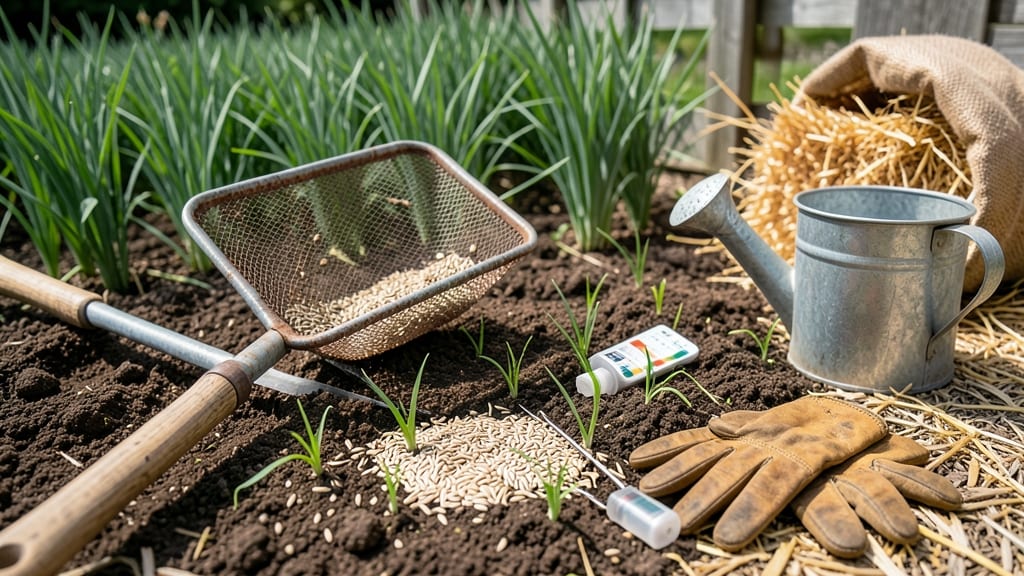
Timing your grass seed planting in South Carolina can make or break your lawn's success—especially when coastal humidity clashes with Piedmont heat. Plant too early, and summer drought will dry out your seedlings before they take root. Too late, and winter frost will stall germination entirely.
Most gardeners swear by early fall (August-September) as the sweet spot, but the best time actually depends on where you live. Coastal areas like Charleston thrive with late summer planting, while Piedmont regions near Greenville often prefer late spring. The key? Soil temperatures between 60-75°F and consistent moisture.
I’ve tested these methods across USDA zones 7b-8a, and the results speak for themselves—fast germination and thick turf come from precise timing. Whether you're seeding Bermuda for summer shade or Fescue for winter resilience, knowing your microclimate is everything.
Let’s break down the exact windows, soil prep secrets, and how to avoid the 5 biggest mistakes that turn green dreams into brown patches. Your perfect lawn starts with the right timing—and we’re about to make it easy.
South Carolina grass seed planting timeline: coastal vs. Piedmont climate differences
South Carolina's diverse climate means your best planting time for grass seed depends entirely on whether you're in the humid coastal plains or the warmer Piedmont region. Coastal areas like Charleston and Myrtle Beach stay warmer longer, while Piedmont cities like Greenville and Columbia experience earlier frosts.
These differences can shift your optimal planting window by 4-6 weeks!
For coastal South Carolina, the ideal window is late March through mid-April and again in late August through early September. The Piedmont region should aim for early March to early April or August to mid-September.
This timing ensures soil temperatures stay between 60-75°F, which is critical for fast germination and strong root development.
Here's how the two regions compare in key metrics that affect your planting success:
The coastal region's humidity can create challenges with fungal diseases if you plant too late in summer, while the Piedmont's drier air may require more frequent watering during establishment. Both regions benefit from early fall planting because cooler temperatures reduce weed competition and stress on young grass.
If you're in Upstate South Carolina (near Greenville or Spartanburg), aim for late February to early March—this gives your grass a head start before summer heat arrives. For Lowcountry areas (Charleston, Hilton Head), you can extend planting into mid-April without frost concerns.
Pro tip: Use a soil thermometer to confirm temperatures before planting. Grass seeds need consistent warmth to germinate—if your soil is below 55°F, wait another week or two. The ideal range is 60-75°F for most grass varieties grown in South Carolina.
Remember that warm-season grasses like Bermuda and Zoysia thrive when planted in late spring, while cool-season grasses like Fescue and Ryegrass prefer early fall. Mixing these up can lead to poor establishment—choose your grass type based on your region's climate patterns.
One common mistake I see is planting too early in spring when soils are still cold and wet. This leads to slow germination and increased disease risk. Conversely, planting too late in summer means battling heat stress and weeds. Timing is everything!
For the fastest, most successful lawn, I recommend early September planting in most of South Carolina. This gives your grass 6-8 weeks of growth before winter slows things down. Just be prepared to water deeply and fertilize lightly during this window.
5 Critical factors that determine the best planting month for your South Carolina lawn
Choosing the right time to plant grass seed in South Carolina isn’t just about picking a month—it’s about understanding 5 key factors that make or break your lawn’s success. From soil temperatures to humidity levels, each plays a role in how fast and strong your grass grows.
Let’s break down what truly matters for your coastal or Piedmont lawn.
First, soil temperature is the #1 determinant. Grass seeds need soil between 60-75°F to germinate properly. In Charleston, this means aiming for early spring (March-April) or early fall (August-September).
In Greenville, where nights get cooler faster, late summer (August) is often the sweet spot to avoid summer heat stress.
Next, rainfall patterns can make or break your seed’s survival. Coastal areas like Myrtle Beach get more consistent rain, but Piedmont regions (e.g., Columbia) may need supplemental watering. Plan to plant when 1-1.5 inches of rain per week is guaranteed—either naturally or through your sprinkler system.
Don’t overlook humidity levels. High humidity in summer can lead to fungal diseases like brown patch, while low humidity in spring might dry out seeds too quickly. Early fall strikes the perfect balance in most of SC, with moderate humidity and cooler temps that reduce stress on young grass.
Weed competition is another silent killer. If you plant in late spring (May-June), weeds like crabgrass will germinate first and steal nutrients from your grass. Always prepare your soil with pre-emergent herbicides 2-4 weeks before planting to give your grass a fighting chance.
Finally, grass seed type changes everything. Cool-season grasses (like tall fescue) thrive in fall planting, while warm-season grasses (like Bermuda) need late spring.
Mixing types without knowing their needs can lead to a patchy, uneven lawn. Always check your seed bag for optimal planting windows.
- Soil Temperature
- Rainfall
- Humidity
- Weed Competition
- Grass Seed Type
Now that you know the 5 critical factors, you can confidently pick your planting window. Early fall is my top recommendation for most of SC—it’s cooler, weeds are less aggressive, and your grass will establish before winter.
But if you’re in the Upstate and have Bermuda grass, late spring might be your best bet.
Pro tip: Use a soil thermometer