
Plants
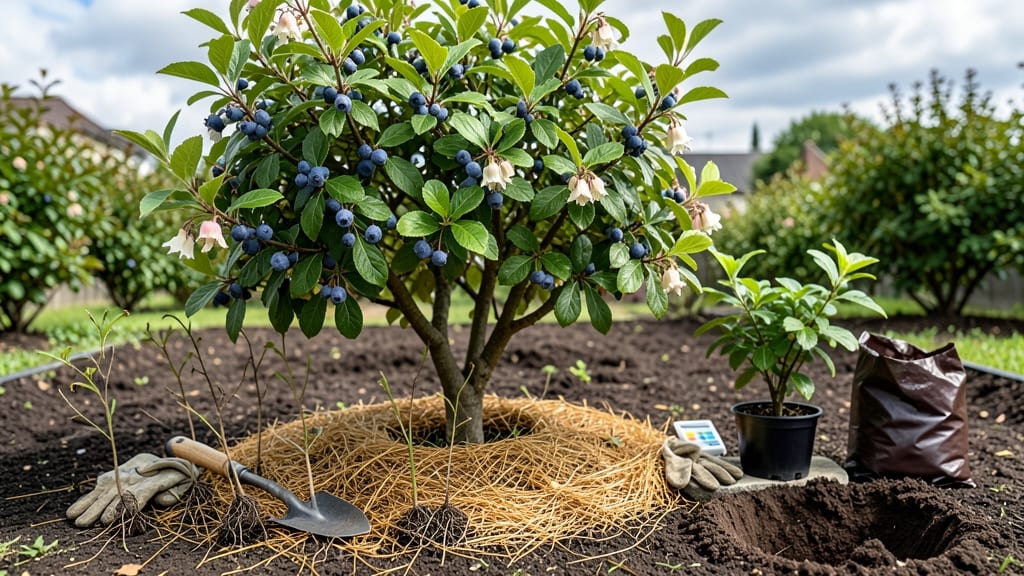
If you're dreaming of a backyard bursting with juicy 🫐 blueberries, timing your Arkansas planting could make or break your harvest. The state's unique chill hours—ranging from 400 to 900—mean that planting too early or late can leave your bushes struggling to fruit.
I've dug into local climate data and nurseries' recommendations to pinpoint the best windows for your zone.
Most Arkansas gardeners swear by late winter to early spring—think February through March—when the soil is workable but frost risks have passed. But here's the kicker: your blueberry variety matters just as much as the calendar.
High-chill varieties like 'Climax' thrive in Arkansas's cooler mountain regions, while low-chill types like 'Duke' do better in the warmer Delta.
What sets Arkansas apart is its humidity and variable spring weather. We'll cover how to prep your soil for the state's acidic-loving bushes and when to adjust for microclimates that can shift frost dates by weeks. Spoiler: the Ozarks play by different rules than the Delta.
Ready to turn your blueberry dreams into reality? I'll walk you through selecting the right varieties, prepping your planting site, and avoiding common mistakes that Arkansas gardeners face. Let's get those bushes in the ground at just the right time.
Best planting months in Arkansas by chill-hour zone
Arkansas’s USDA Zones 7a-8b create unique challenges for blueberry growers. Unlike northern states, Arkansas’s mild winters and hot summers demand precise timing. The chill-hour requirement (hours below 45°F) determines your best planting window—most Arkansas varieties need 400-900 chill hours for reliable fruiting.
For high-chill varieties (600+ hours), plant in November or early December to establish roots before winter. Low-chill varieties (300-500 hours) thrive with February-March planting, avoiding Arkansas’s unpredictable spring frost dates. The Ozarks (northwest Arkansas) typically get 800+ chill hours, while the Delta (southeast) often sees 500-600 hours.
Microclimates matter: Mountainous regions like the Boston Mountains have earlier frost risks (plant by October 31), while the Arkansas River Valley can wait until mid-March. Always check your last frost date—most Arkansas counties average March 15, but rural areas can vary by 2 weeks.
Here’s how Arkansas’s two main regions differ:
| Region | Chill Hours | Best Planting Window | Key Consideration |
|---|---|---|---|
| Ozarks (NW AR) | 800-900+ | November 1–December 15 | Cooler microclimates; high frost risk |
| Central AR | 600-800 | February 1–March 15 | Moderate chill; watch for late frosts |
| Delta (SE AR) | 500-600 | March 1–April 1 | Low chill; plant after last frost |
Spring planting (February-March) is ideal for most Arkansas gardeners because it aligns with soil thawing and active root growth. However, fall planting (November) gives roots a head start in cooler months.
If you miss these windows, container planting lets you adjust timing—just move pots to shade during Arkansas’s brutal summer heat.
Pro tip: Use mulch heavily (pine straw or wood chips) after planting to protect roots from Arkansas’s temperature swings. In the Ozarks, black plastic mulch can warm soil 2-3°F faster, while the Delta benefits from straw mulch to retain moisture during dry spells.
For container growers, Arkansas’s short growing season means starting 4-6 weeks earlier than in-ground plants. Move containers indoors or to a protected patio if nighttime temps drop below 30°F.
Southern Arkansas counties (like Hot Springs) can sometimes plant as late as April 15 for low-chill varieties like ‘Peach Sorbet.’
Remember: Arkansas’s humidity and soil acidity are bigger threats than frost. Always amend soil with sulfur (target pH 4.5-5.5) before planting, regardless of season. The University of Arkansas Extension recommends soil tests in fall to plan for spring adjustments.
Timing your blueberry planting to Arkansas’s chill hours and microclimates isn’t just about months—it’s about preparing your soil and protecting young plants from the state’s extremes. With the right variety and care, you’ll enjoy harvests from May through July, just as Arkansas’s wild blueberries peak in the Ozark forests.
How to choose blueberry varieties for Arkansas’ climate
Arkansas’s humid summers and variable chill hours demand the right blueberry varieties for success. Southern highbush types like ‘Duke’ and ‘Climax’ thrive in the state’s 500–900 chill-hour zones, while low-chill varieties (300–500 hours) work in warmer microclimates like the Delta.
Let’s break down the top picks tailored to Arkansas’s unique growing conditions.
For northern Arkansas (USDA Zones 7a–7b), prioritize high-chill varieties like ‘Bluecrop’ or ‘Jersey’. These handle the 600–900 chill hours typical of the Ozarks while resisting Arkansas’s fungal diseases like botrytis.
In contrast, southern Arkansas (Zones 7b–8a) benefits from ‘Premier’ or ‘Southern Highbush’, which need only 300–500 chill hours and tolerate summer heat better.
🌱
📊 Arkansas Blueberry Variety Ratings
Disease Resistance: 10 = Low | 20 = High
Yield Potential: 10 = Low | 20 = High
Organic gardeners should opt for ‘Duke’ or ‘Climax’, as these varieties show natural resistance to Arkansas’s fungal pressures without heavy chemical inputs. Pair them with companion plants like thyme or marigolds to further deter pests.
Always buy bare-root plants from Arkansas nurseries (e.g., Arkansas Blueberry Farm) to ensure local adaptation.
If you’re in Zone 8a (southern Arkansas), consider ‘O’Neal’ or ‘Reveille’—both handle low chill hours and produce reliably in heat. These varieties also ripen earlier, avoiding Arkansas’s late-spring frost risks.
For container growing, ‘Top Hat’ (dwarf) is ideal, fitting Arkansas patios while needing just 300 chill hours.
Pro tip: Test your local chill hours using a chill-hour calculator (like the one from UA Extension). Arkansas’s microclimates vary wildly—even within 50 miles—so this step saves guesswork. Plant 2–3 varieties for extended harvests, as Arkansas’s heat can cause uneven ripening.
🌿