
Plants
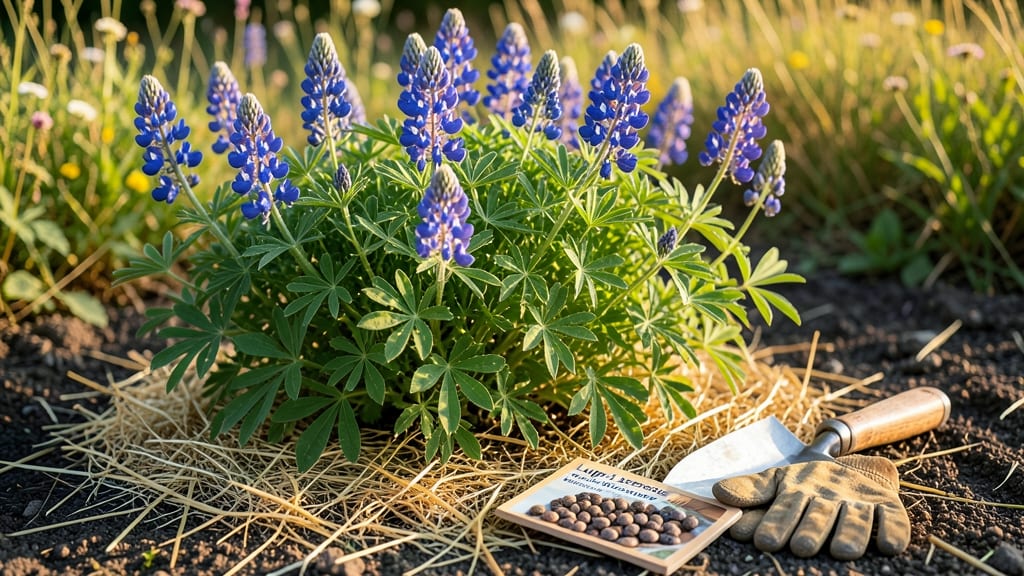
If you’ve ever dreamed of planting bluebonnets in North Texas and ending up with a landscape carpeted in 💜 bluebonnets but instead faced patchy blooms, timing is the missing piece of the puzzle.
Planting these iconic Texas wildflowers at the wrong time—whether too early or too late—can mean the difference between a showstopping display and a disappointment. The key lies in understanding your local chill-hour requirements, which vary by bluebonnet variety and microclimate.
North Texas gardeners know that fall planting is non-negotiable, but the exact window matters more than you might think. While the general rule is late September to early November, your specific location—whether DFW, Waco, or East Texas—can shift that timeline by weeks.
I’ll break down how to match your planting schedule to your area’s unique climate patterns, so you can avoid common pitfalls like drought stress or premature germination.
What you’ll discover here isn’t just a calendar—it’s a game-changer for reliable blooms. We’ll cover soil prep, watering secrets, and how to work with Texas’ unpredictable weather.
Whether you’re a first-time planter or a seasoned gardener, these insights will help you turn your bluebonnet dreams into a reality that lasts for years.
Ready to transform your yard into a bluebonnet paradise? Let’s get started with the exact steps to time your planting for maximum impact—no guesswork required.
North Texas bluebonnet planting timeline by chill-hour requirements
Timing is everything when planting bluebonnets in North Texas. Unlike many flowers, bluebonnets require specific chill-hour ranges to trigger blooming. In our region, varieties range from 1,000 to 3,000 chill hours, with planting windows shifting based on your exact location and microclimate.
Most North Texas gardeners focus on three key varieties: Texas bluebonnet (Lupinus texensis), Big Bend bluebonnet (Lupinus havardii), and Sundance bluebonnet (Lupinus ssp.). Each has different chill-hour needs, meaning their ideal planting times vary by 2-4 weeks across our region.
Here’s the critical rule: Plant bluebonnets after your area’s first frost but before ground temperatures drop below 40°F. This ensures seeds germinate in cool soil but get enough winter chill to bloom next spring. In most of North Texas, that window opens in late September to early November.
For DFW and West Texas (Zones 8a-8b), aim for mid-October planting to capture 1,500-2,000 chill hours. In East Texas (Zones 7b-8a), push planting to early November to reach similar chill accumulation before winter sets in.
💡 Pro Tip: Check your local NOAA chill-hour data—some years, an early cold snap can shift your window by weeks. Always have backup seeds ready!
| Variety | Chill-Hour Needs | Ideal Planting Window | DFW Timing | East Texas Timing |
|---|---|---|---|---|
| Texas Bluebonnet | 1,000-1,500 hrs | Late Sept - Mid Oct | Oct 1-15 | Oct 15-Nov 1 |
| Big Bend Bluebonnet | 2,000-2,500 hrs | Mid Oct - Early Nov | Oct 15-Nov 1 | Nov 1-15 |
| Sundance Bluebonnet | 2,500-3,000 hrs | Early Nov - Early Dec | Nov 1-15 | Nov 15-Dec 1 |
If you’re in higher-elevation areas like the Hill Country (e.g., Fredericksburg), you can plant 2-3 weeks earlier than DFW. These cooler microclimates accumulate chill hours faster, so mid-September planting often works for Texas bluebonnets there.
For urban gardens in Dallas-Fort Worth, watch for first frost dates—planting too early (before frost) risks seed rot, while waiting too long (after hard freezes) may prevent germination. Early November is your safety net if October’s unpredictable.
💧 Watering Warning: After planting, keep soil moist but not soggy for 4-6 weeks. Bluebonnets hate waterlogged conditions, which can cause seed rot. Use a light misting in dry spells rather than deep watering.
Remember: Bluebonnets are wildflowers, not manicured plants. They thrive in poor, rocky soil and full sun. Over-tending can actually reduce blooms. Once established, they’ll naturalize and spread—just don’t mow them down before seed collection season (May-June)!
For maximum impact, mix three varieties in your planting. This extends your bloom season from March through May, ensuring color even if one variety misses its chill-hour target.
How to calculate your local chill-hours for perfect bluebonnet timing
Bluebonnets need chill-hours—the total hours below 45°F (7°C)—to bloom reliably. In North Texas, chill-hour ranges vary dramatically between DFW (1,200-1,500 hours) and East Texas (900-1,200 hours). Without enough chill, your seeds may sprout but never flower, leaving you with just green foliage.
Most Texas bluebonnet varieties thrive with 1,000-3,000 chill-hours, but local microclimates can shift that window by 2-4 weeks. For example, Waco’s 1,400 chill-hours often aligns with late September planting, while East Texas (900 hours) may need seeds sown by mid-October to avoid spring blooms.
Here’s how to pinpoint your exact chill-hour zone using NOAA data and local weather patterns—so you can plant with confidence:
- 📊 Check NOAA’s Climate Data: Visit NOAA’s Local Climatological Data and search your city (e.g., "Denton, TX"). Look for the “Heating Degree Days” table.
- 📝 Convert to Chill-Hours: Each 1°F below 45°F = 1 chill-hour. For example, if your area averages 50 nights below 40°F, that’s roughly 2,500 chill-hours (50 nights × 50 hours).
- 📅 Track Your Local Frost Dates: Use the USDA Plant Hardiness Zone Map (Zone 8a for North Texas) and add 2-3 weeks to the first frost date (typically mid-November) for ideal planting.
- 🌡️ Adjust for Microclimates: Areas near lakes (e.g., Lewisville Lake) or urban heat islands (DFW metro) may need seeds planted 1-2 weeks earlier to compensate for warmer nights.
- ⏳ Test with Seed Trays: Start a small tray in September and monitor growth. If sprouts appear by November 1, you’re likely in a higher-chill zone and can plant earlier.
Pro tip: Bluebonnet seeds need stratification (a cold period) to germinate. If your area has fewer than 1,000 chill-hours, consider pre-chilling seeds in the fridge for 4-6 weeks before planting to mimic winter conditions.
Once you’ve calculated your chill-hours, match them to the planting windows in Section 1. For example, if you’re in East Texas with 1,000 chill-hours, aim for mid-October planting—but if you’re in DFW with 1,500 hours, late September is ideal.
Timing this right ensures vibrant spring blooms instead of disappointment.
Remember: Bluebonnets are tough but not magic. Even in North Texas’ unpredictable winters, following chill-hour rules will give you the best chance for those iconic blue carpets by spring. 💜