
Plants
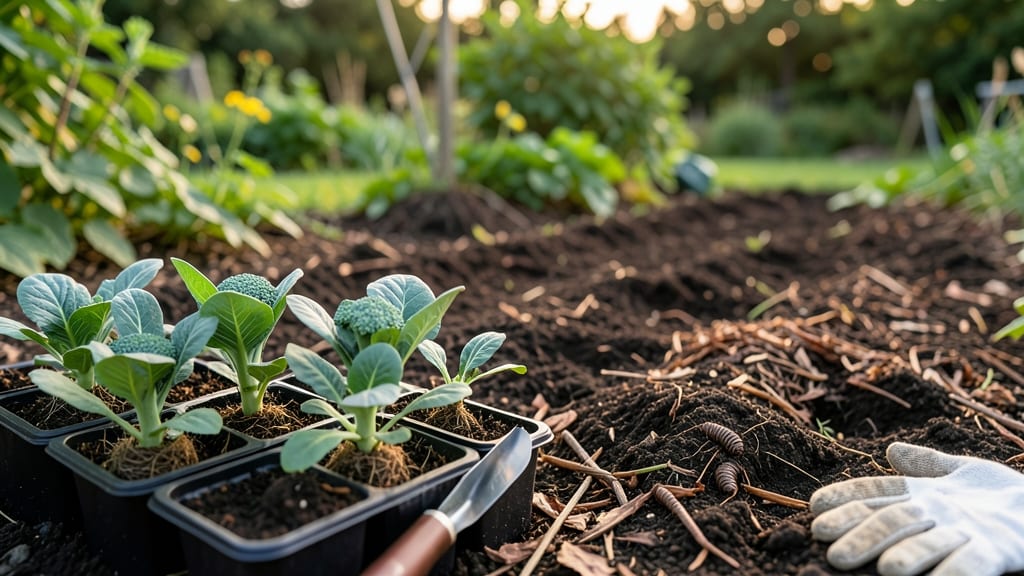
Timing is everything when it comes to growing broccoli in Northern California—plant too early, and frost zaps your crop; too late, and your 🥦 heads bolt into bitter flowers before harvest. The good news? With the right window, you can enjoy two bountiful crops a year, from spring to fall.
Most gardeners in zones 8a-9b swear by two key planting windows: late February through early April for spring harvests, and late July to early September for fall crops.
But here’s the catch—your exact timing depends on your microclimate. Coastal areas can plant earlier, while inland spots need to wait for warmer soil temps.
Why does this matter? Because broccoli thrives in 50-65°F soil, and Northern California’s unpredictable weather makes precision planting non-negotiable. Skip the guesswork and I’ll walk you through the exact frost-date cheat sheet to avoid bolting—plus soil prep tips that’ll have your plants reaching for the sky.
Ready to grow broccoli that’s lush, harvest-ready, and free from the dreaded bolt? Let’s dive into the planting schedule that actually works for your region—no more wasted seeds or bitter surprises.
Northern California broccoli planting calendar: soil temps & frost dates by region
Northern California’s diverse microclimates mean your broccoli planting window varies dramatically between the coastal fog belt and inland valleys. Coastal areas like San Francisco enjoy milder winters, while Sacramento faces earlier frosts.
To avoid frost damage or heat-induced bolting, align your planting with soil temperatures (ideal: 50-65°F) and frost-free dates.
For spring plantings, aim for late February to early April—after the last frost (typically February 15) but before soil warms past 65°F. Fall plantings should start late July to early September, giving heads time to mature before winter chill sets in.
Coastal gardeners can push these windows slightly later due to cooler ocean breezes.
Here’s how to match your microclimate to the perfect planting schedule:
Use a soil thermometer to confirm temps before planting—cooler soils delay germination, while warmer soils speed it up. For container gardening, soil warms faster, so adjust your timeline 1-2 weeks earlier than in-ground plantings.
Pro tip: Direct-sow seeds (don’t transplant seedlings) for hardier plants. Broccoli seedlings struggle with transplant shock in Northern California’s variable spring weather. Sow seeds ¼ inch deep, 18-24 inches apart, and keep soil moist until sprouts appear (7-14 days).
For extended harvests, stagger plantings every 2-3 weeks within your region’s window. This ensures a steady supply of fresh broccoli heads from May to November, avoiding the bolting risk of planting all at once. Pair with cold-hardy varieties like ‘Waltham 29’ or ‘De Cicco’ for fall success.
Watch for unpredictable heatwaves in spring—even coastal areas can spike to 80°F. If temps exceed 75°F, broccoli will bolt. Use shade cloth (30-50%) or row covers to protect seedlings during heat spikes. Mulch with straw or wood chips to regulate soil temperature and retain moisture.
Northern California’s USDA Zones 8a-9b mean you can grow broccoli year-round with the right seasonal strategies. Spring plantings yield harvests by May-June, while fall plantings deliver October-November crops. Plan ahead: Soil prep (compost + balanced fertilizer) and succession planting are your keys to success.
🌱
Northern California broccoli planting calendar: soil temps & frost dates by region
Northern California’s diverse microclimates—from the chilly Bay Area to the hot Sacramento Valley—mean your broccoli planting window varies by location. Coastal areas like San Francisco have milder winters, while inland zones like Sacramento face earlier frosts.
To avoid frost damage or heat-induced bolting, align your planting with soil temperatures between 50°F and 65°F.
Use local frost-free dates as your guide: Bay Area gardeners typically plant 4-6 weeks before last frost (mid-February), while inland areas like Sacramento should wait until late February to early March. Coastal regions can even squeeze in a fall crop by planting in late July to early August.
For fall broccoli, prioritize cold-hardy varieties like ‘Waltham 29’ or ‘De Cicco’—they tolerate light frosts better than heat-sensitive types. Plant seeds 8-10 weeks before first frost (typically late July to early August) to ensure heads mature before winter sets in.
Pro tip: Use a soil thermometer to confirm temps before planting. If soil is below 50°F, delay or use row covers to warm the ground. Overheated soil (>70°F) triggers bolting, so avoid summer planting unless you’re using shade cloth.
Northern California’s USDA Zones 8a-9b let you grow broccoli year-round with the right timing. Coastal areas enjoy longer growing seasons, while inland zones benefit from fall crops before winter chill. Adjust your schedule based on your local frost dates—check the Almanac’s Frost Calculator for precise dates.