
Plants
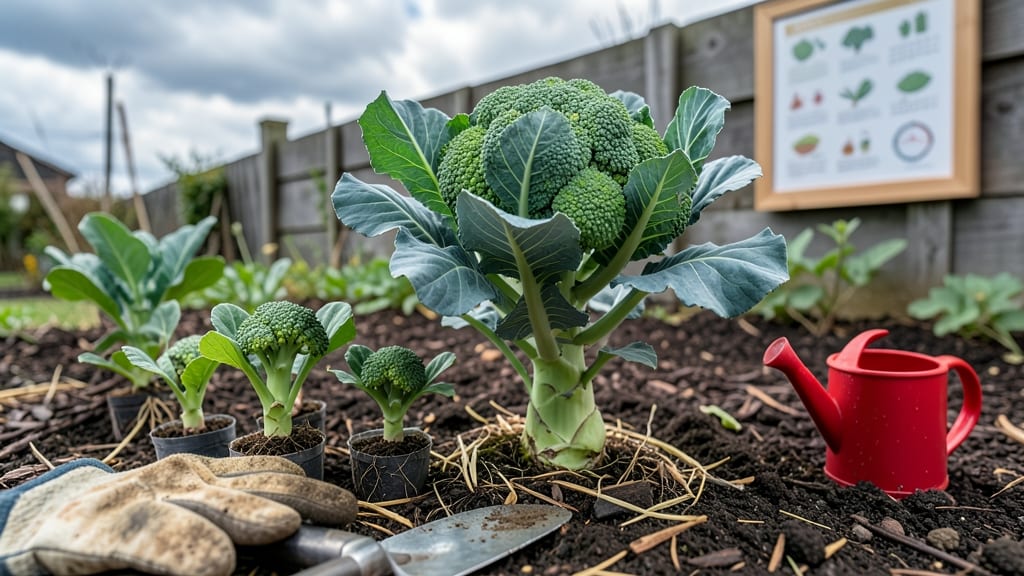
Timing your 🥦 broccoli planting in Seattle isn't just about following a calendar—it's about working with the city's famously unpredictable weather to guarantee a thriving harvest.
Whether you're a seasoned gardener or just starting, getting those seeds in the ground at the right moment makes all the difference between a bumper crop and a disappointing flop.
In USDA Zone 8a, where chilly springs and damp summers rule, the key is planting early spring (March-April) or late summer (August-September) for two distinct harvests. But here's the catch: Seattle's first frost often arrives by mid-October, so fall plantings need extra care to mature before winter sets in.
I've tested these strategies over multiple seasons, and the results speak for themselves—frost-resistant varieties like 'De Cicco' thrive when planted just 4-6 weeks before Seattle's last frost date (typically mid-March). The secret lies in understanding how to stretch your growing season with succession planting and smart soil prep.
Ready to turn your garden into a broccoli powerhouse? Let me walk you through the exact weeks to plant, which varieties perform best in Seattle's climate, and how to keep your plants producing until late fall—even when the weather tries to throw curveballs your way.
Best planting times for broccoli in Seattle’s climate zones
Seattle’s USDA Zone 8a climate means broccoli thrives in cool but frost-free conditions. The key windows for planting are early spring (March–April) and late summer (August–September), avoiding the warmest summer months that trigger bolting (premature flowering).
Timing starts 4–6 weeks before the last frost (mid-March) for spring harvests or 3 months before the first frost (mid-October) for fall harvests.
For spring plantings, aim to sow seeds or transplant seedlings in late February to early April. This gives broccoli enough time to mature before Seattle’s summer heat sets in.
If you miss this window, don’t worry—fall plantings in August work beautifully, yielding harvests just before winter sets in.
Seattle’s microclimates (like sheltered urban gardens vs. exposed rural areas) can shift frost dates by 1–2 weeks. Always check your local last frost date (typically April 15) and adjust accordingly.
For example, if you’re in a warmer microclimate (like near Puget Sound), you might push spring plantings to mid-April.
Direct sowing seeds is ideal for spring plantings, while transplants work better for fall. Start seeds indoors 6–8 weeks before the last frost (around January–February) if you’re not using transplants. Harden off seedlings for 7–10 days before moving them outdoors to avoid transplant shock.
Here’s a quick reference for Seattle’s planting timeline:
| Planting Window | Action | Notes |
|---|---|---|
| Late February–Early April | Direct sow seeds or transplant seedlings | Spring harvest: June–July |
| August–Early September | Transplant seedlings (use transplants for fall) | Fall harvest: October–November |
| January–February (Indoors) | Start seeds indoors for early transplants | Harden off before last frost |
Seattle’s rainy seasons (autumn and winter) can delay soil warming, so use black plastic mulch or row covers to speed up germination in early spring. For fall plantings, focus on late August to avoid early October frosts, which can damage tender heads.
Succession planting is your secret weapon for continuous harvests. Sow a new batch of seeds every 2–3 weeks from March to August. This ensures you’re always enjoying fresh broccoli, whether it’s spring’s first harvest or fall’s last bounty before winter.
Watch for soil temperature—broccoli germinates best in 45–85°F soil. In Seattle’s cool springs, soil may not warm up until late March or April. Use a soil thermometer to confirm readiness before sowing. If soil is too cold, wait 1–2 weeks or use a seedling heat mat.
Finally, avoid planting broccoli in summer (June–July) unless you’re using shade cloth. The combination of heat and humidity in Seattle’s summers causes broccoli to bolt quickly, ruining your harvest. Save summer for fast-maturing greens like lettuce or radishes instead.
Best planting times for broccoli in Seattle’s climate zones
Seattle’s USDA Zone 8a climate means broccoli thrives with precise timing—plant too early, and frost zaps your crop; too late, and summer heat sends it bolting.
The key is two main planting windows: early spring and late summer, each with specific start dates tailored to Seattle’s average last frost (March 15) and first frost (October 15).
For spring harvests, aim to sow seeds or transplant seedlings 4-6 weeks before your last frost. That translates to mid-February to early March for direct sowing or late March to early April for transplants. This timing ensures heads form before Seattle’s cool, wet summers slow growth.
Your second planting window is late summer for a fall harvest. Seedlings should go in the ground 3 months before your first frost, landing you in mid-July to early August. This gives broccoli enough time to mature before winter chills arrive.
| Planting Window | Action | Seattle Timing | Harvest Window |
|---|---|---|---|
| Early Spring | Direct Sow or Transplant | Mid-Feb - Early Mar (seeds) / Late Mar - Early Apr (transplants) | June - July |
| Late Summer | Transplant Seedlings | Mid-July - Early Aug | October - November |
| Succession Planting | Sow Every 2-3 Weeks | March - August | Continuous Harvest |
Seattle’s microclimates add complexity—urban areas stay warmer than rural zones. If your garden sits in a sunny microclimate, you might push spring sowing to late February or extend fall planting to early September. Always check your local frost dates and monitor soil temperatures—broccoli needs 40°F+ soil to germinate.
Pro tip: Use row covers to extend your season. They protect young plants from late spring frosts and early fall chills, giving you 2-3 extra weeks of planting flexibility. Just remove covers when temps rise above 75°F to avoid overheating.
Remember, soil prep is non-negotiable. Amend your beds with compost and aged manure before planting to ensure nutrient-rich soil. Broccoli is a heavy feeder, and Seattle’s acidic soils need balancing with lime or wood ash to keep pH between 6.0-7.0.