
Plants
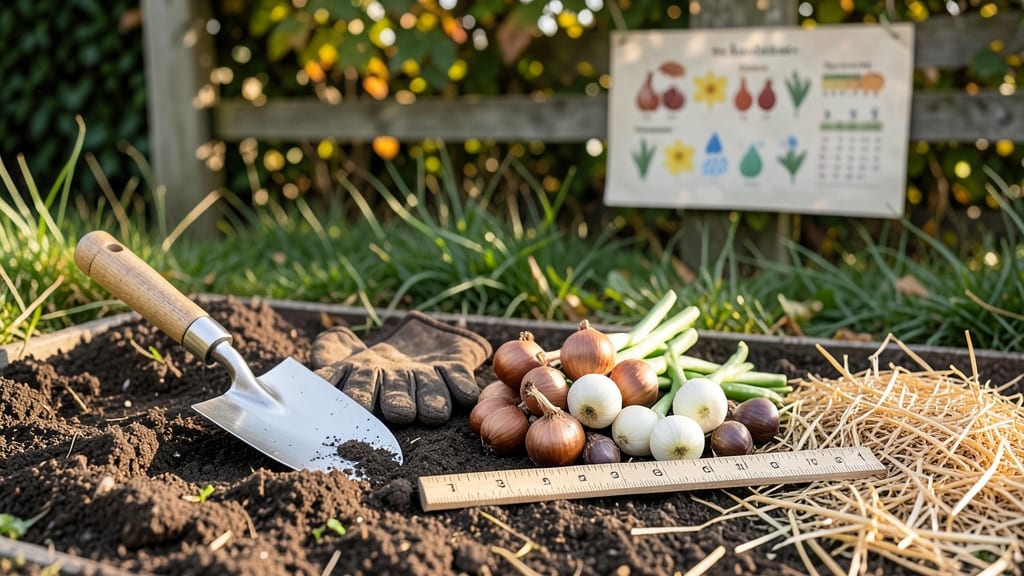
When to plant bulbs in Boston just right isn’t just about luck—it’s the difference between a garden bursting with color by April or waiting another year for those dreamy tulips and daffodils. With Boston’s Zone 6b climate and unpredictable frost dates, getting the window wrong means bulbs either rot in soggy soil or fail to bloom at all.
Most gardeners here know fall planting is key, but the exact September–November window—and why some bulbs need 6–16 chill hours—can feel like a guessing game. I’ll break down the science behind Boston’s microclimates (think urban heat islands vs. coastal breezes) and how to adjust your schedule for foolproof results.
Whether you’re a first-time planter or a veteran gardener tweaking last year’s mistakes, you’ll learn which bulbs thrive in Boston’s soil, how to prep it for success, and when to plant specific varieties—like tulips in early fall or daffodils in late fall—to ensure vibrant blooms by spring.
Ready to skip the trial-and-error? Let’s dive into the exact planting timeline, soil tricks, and chill-hour secrets that’ll have your garden looking like a postcard by April.
Boston’s best bulb planting timeline by chill-hour needs
Boston’s Zone 6b climate means bulbs need precise timing to survive winter and bloom reliably. Most spring-flowering bulbs—like tulips and daffodils—require 6-16 chill hours (temperatures below 40°F) to trigger flowering.
Plant too early, and they’ll rot; too late, and they won’t bloom. The key is planting 6-8 weeks before the ground freezes (typically late September to early November).
Fall planting is critical because bulbs need time to establish roots before winter. In Boston, aim for mid-September for early bloomers like crocuses (6-10 chill hours) and late October for tulips (12-16 chill hours).
Late fall (November) works for hardy daffodils, which tolerate colder soils. Spring planting is riskier but possible for tender bulbs like hyacinths (plant in March-April).
Here’s a quick reference for Boston’s bulb planting windows by chill-hour needs:
For tender bulbs like hyacinths or fritillaria, I recommend planting in containers and burying them in the garden after the last frost. This gives you control over soil conditions and protects them from Boston’s unpredictable thaws.
Always use well-draining soil (amend Boston’s clay-heavy soil with compost) to prevent rot.
Pro tip: Mark your planting spots with biodegradable flags or a garden map. Boston’s early springs can bring 60°F days in March, tricking bulbs into sprouting too soon.
If this happens, cover them with mulch or straw to protect tender shoots from late frosts (which can occur until mid-April).
Timing isn’t just about the calendar—it’s also about soil temperature. Use a soil thermometer to check when temps drop to 50°F (ideal for root growth). In Boston’s urban areas, heat islands can delay soil cooling, so adjust planting dates 1-2 weeks later than rural zones.
Finally, don’t forget that bulb size matters. Larger bulbs (like 12/0 tulips) need deeper planting (8 inches deep) and handle Boston’s winters better than smaller ones.
Smaller bulbs (like #2 daffodils) can be planted 4-6 inches deep and are perfect for rock gardens or containers.
By following these chill-hour guidelines and Boston-specific adjustments, you’ll enjoy vibrant spring blooms year after year—no waiting another season! 🌷
How to adjust planting for Boston’s unpredictable microclimates
Boston’s urban heat islands and coastal winds create microclimates that can throw off your bulb planting schedule. Clay-heavy soil and early thaws add extra challenges, but with the right adjustments, you can still enjoy reliable blooms.
Start by testing your soil’s drainage and pH—Bostonians often need to amend with compost or sand to prevent rot.
For raised beds or container gardens, plant bulbs 2-3 weeks earlier than ground planting dates. Containers warm up faster, mimicking spring conditions. If your garden sits in a sheltered spot (like near a brick wall), delay planting by 1-2 weeks to avoid premature sprouting.
🚨 CRITICAL ADJUSTMENTS FOR BOSTON’S CLIMATE 🚨
If you’re planting in containers, choose well-draining mixes with perlite or vermiculite. Water sparingly once planted—overwatering in cold weather can suffocate bulbs. For urban gardens, prioritize shade-tolerant bulbs like alliums or fritillaries, which thrive in partial shade where sunlight is limited.
Monitor your garden’s microclimate shifts by tracking local frost dates. The USDA Zone 6b/7a guidelines are a starting point, but Boston’s urban warmth can push your zone closer to 7a. Adjust planting dates 1-2 weeks later if your area feels warmer.
For example, tulips in Dorchester may need planting by October 20, while Back Bay gardens might wait until November 1.
Protect bulbs from early thaws by covering them with straw mulch or a lightweight fabric during unexpected warm spells. This mimics winter conditions and prevents premature growth. Evergreen trees can also create microclimates—plant bulbs on the southern side of shrubs to capture reflected warmth while shielding from harsh winds.
Finally, container gardeners can extend bloom seasons by moving pots to sheltered spots in winter. Place them near south-facing walls or under overhangs to absorb heat. With these adjustments, your bulbs will bloom reliably despite Boston’s quirks—no waiting another year! 🌱