
Plants
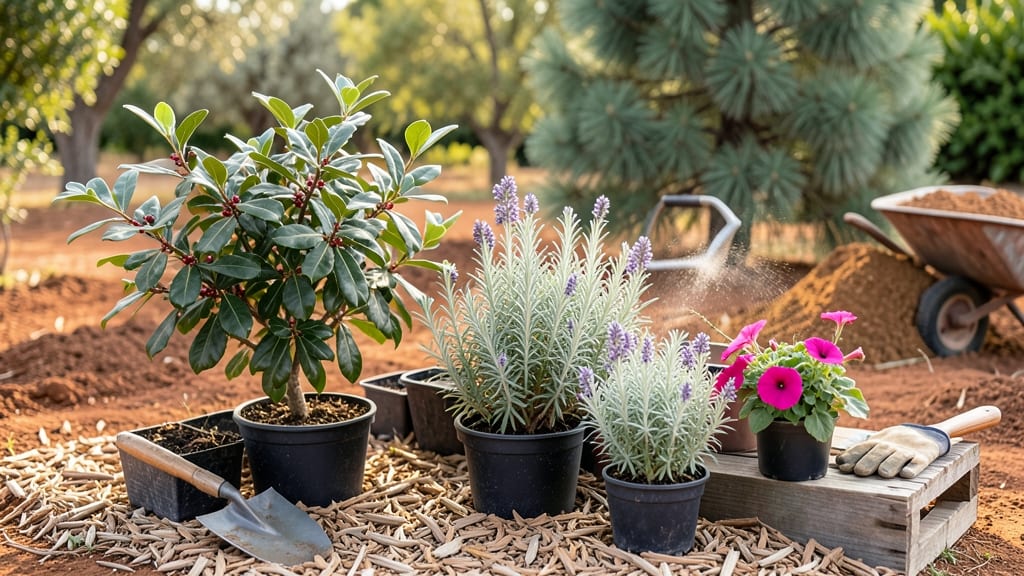
Timing matters more than you think when it comes to planting bushes in Texas—get it wrong, and you could be fighting heat stress or stunted growth before your shrubs even get a chance to thrive.
The Lone Star State’s brutal summers and unpredictable winters mean your 🌿 bushes need the perfect window to establish strong roots before the heat or cold kicks in.
Most Texas gardeners know the basics—fall and spring are the go-to seasons—but what you don’t know could mean the difference between a lush landscape and a sad, struggling shrub.
Whether you’re in Zone 8a or 10b, the right moment to plant depends on your region’s last frost date and soil temperature, not just the calendar.
In this guide, I’ll break down the exact months to plant for North vs. South Texas, plus the top 5 bushes that handle Texas’ extremes like champions. You’ll also learn how to prep your soil and care for your new plants so they take off—no guesswork, just results.
Ready to skip the trial-and-error? Let’s get those bushes in the ground at the perfect time to save you time, money, and frustration down the road.
Texas heat zones explained: best planting months by region
Texas’s diverse climate—from the cool hills of North Texas to the humid Gulf Coast—means planting times vary wildly. The USDA Hardiness Zones 8a-10b across the state create microclimates where a crape myrtle thrives in Zone 9a but risks frost damage in Zone 8b if planted too late.
Understanding these zones helps you avoid heat stress or winter dieback.
For most Texas bushes, fall (September–November) and early spring (February–April) are ideal. Fall planting gives roots time to establish before summer heat, while spring planting avoids winter dormancy stresses. South Texas (Zones 9a–10b) can plant slightly later than North Texas (Zones 8a–8b), thanks to milder winters.
Here’s how to match your region to the perfect planting window:
| Region | USDA Zone | Best Planting Months | Key Considerations |
|---|---|---|---|
| North Texas (Dallas/Fort Worth) | 8a–8b | September–October or February–March | Avoid late spring; frost risk until mid-February. |
| Central Texas (Austin/San Antonio) | 8a–9a | September–November or February–April | Extended heat in summer; fall is safest. |
| East Texas (Houston/Tyler) | 8a–9a | September–October or March–April | Humidity increases fungal risks; well-draining soil is critical. |
| South Texas (Corpus Christi/Brownsville) | 9a–10b | September–November or February–March | Year-round growth possible; prioritize shade for tender varieties. |
| West Texas (El Paso/Midland) | 8a–8b | September–October or March–April | Extreme heat/drought; mulch heavily to retain moisture. |
For example, crape myrtles in Zone 9a (like Houston) can handle late spring planting, but in Zone 8b (like Dallas), they need to be in the ground by March 15 to avoid frost. Yaupon holly, a native Texas shrub, is more forgiving—it tolerates Zone 7b and can be planted as late as April in North Texas.
Pro tip: Check your local frost dates (e.g., February 15 in North Texas vs. January 1 in South Texas) and aim to plant 6–8 weeks before the first expected frost. This gives roots time to anchor before winter dormancy sets in.
Soil temperature also matters. Most Texas bushes prefer 60–70°F soil for root growth. Use a soil thermometer to confirm—cool spring mornings can delay planting even if air temps are warm. In South Texas, where soil stays warm year-round, timing shifts to avoiding peak summer heat (June–August).
Regional microclimates add another layer. A hillside garden in Austin may be 2–3°F cooler than a low-lying area, extending your planting window. Observe your yard’s sun exposure and wind patterns—sheltered spots can support later plantings.
Finally, native Texas bushes like Texas sage or wax myrtle adapt better to local conditions than non-natives. They often thrive with minimal adjustments to planting times, making them ideal for beginners. For non-natives (e.g., azaleas), stick to the fall window to reduce transplant shock.
🌿
How to time bush planting for Texas’s extreme heat and drought conditions
Texas’s brutal summers and unpredictable droughts make planting timing critical for bush survival. Planting too early risks frost damage, while planting too late exposes young roots to scorching heat. My secret? Focus on soil temperature and humidity windows—not just calendar months.
For most Texas shrubs, fall planting (September–November) is ideal because cooler temps and higher humidity give roots time to establish before summer. Spring planting (February–April) works too, but avoid May—that’s when Texas turns into an oven. Even drought-tolerant bushes like Texas sage struggle with transplant shock in peak heat.
🚨 CRITICAL INSIGHT: The 60°F soil temperature rule applies here. Use a soil thermometer to confirm—plant only when soil stays above 60°F for 5+ days. In North Texas, this usually means waiting until late March; in South Texas, February works.
⚠️ Warning: Texas Heat Zones Matter!
North Texas (Zones 7b–8a): Plant after March 15—frost risk lingers until then. South Texas (Zones 8b–9b): Start as early as January 15, but avoid June–August like the plague.
West Texas (Zones 7a–8a): Wait until April 1—dry winds here can desiccate young plants faster than anywhere else.
Preparing your soil is just as important as timing. Texas clay holds water like a sponge but drains like a sieve—amend with compost to improve structure. I mix in 2–3 inches of organic matter and a slow-release fertilizer (like 10-10-10) to give roots a nutrient boost without burning them.
After planting, mulch heavily (3–4 inches) with pine straw or shredded bark. This keeps roots cool and retains moisture—critical in Texas’s 100°F+ summers.
Water deeply once a week for the first month, then taper to every 10–14 days once established. Morning watering is a must to prevent fungal diseases from overnight humidity.
Pro tip: Group bushes by water needs. Drought-tolerant varieties like yaupon holly can handle less frequent watering, while thirstier crape myrtles need consistent moisture until roots spread. Stake tall shrubs (like Turk’s cap) to prevent wind damage—Texas storms don’t care about your planting schedule!