
Plants
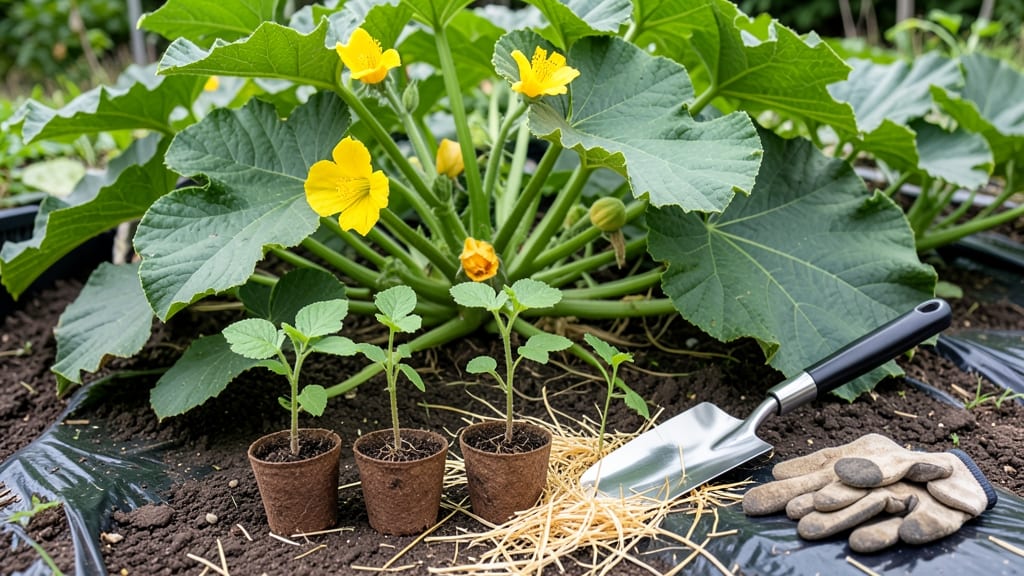
Knowing when to plant butternut squash in NC can mean the difference between a bountiful fall harvest and wasted effort. This 🎃-shaped squash thrives in North Carolina’s warm climate, but getting the timing right is key—especially when frost dates vary wildly from the coast to the mountains.
Most gardeners in NC’s 6a-8b zones plant butternut squash between April 15 and June 15 for a fall harvest, but soil temperature matters more than calendar dates.
Waiting until the ground reaches 60°F ensures strong germination, while transplanting after the last frost (usually around March 15 in most regions) gives vines time to establish before summer heat sets in.
If you’re aiming for a second harvest, don’t overlook the July 1–August 15 window—perfect for fall varieties that mature just in time for Thanksgiving tables. The trick? Using black plastic mulch to warm the soil faster and extend your growing season.
Ready to avoid common mistakes and maximize your yield? I’ll walk you through soil prep, frost-free strategies, and how to adjust for NC’s microclimates—so you can enjoy homegrown butternut squash from September through November.
Best planting windows for butternut squash in NC by region
North Carolina’s diverse climate means your planting window for butternut squash varies dramatically from the coastal plains to the mountains. In USDA zones 6b-8a, timing depends on last frost dates, soil temperature, and whether you’re starting seeds indoors or direct-sowing.
Get it wrong, and you’ll either lose seedlings to frost or miss the harvest window entirely.
For spring planting, aim to transplant seedlings after soil warms to 60°F+ and all frost risk passes. In the Piedmont, this typically falls between April 15 and May 15, while coastal NC can start as early as March 20.
Mountain regions like Asheville often wait until May 1 or later due to later frost dates.
Fall planting is also viable in NC, especially for late varieties. Start seeds indoors in June and transplant by July 15 to harvest before the first frost (usually November 1 in most regions). This strategy works best in zones 7b+ where summers are long enough to support a second crop.
Here’s how to align your planting with NC’s three key regions, including soil temperature triggers and transplanting windows for both direct sowing and starter plants:
| Region | Last Frost Date | Soil Temp Trigger | Direct Sow Window | Transplant Window (Starters) | Fall Planting Window |
|---|---|---|---|---|---|
| Coastal Plains (e.g., Wilmington) | March 15 | 60°F+ (early April) | April 1 - April 15 | April 15 - May 1 | July 1 - August 1 |
| Piedmont (e.g., Raleigh) | March 25 | 60°F+ (mid-April) | April 15 - May 1 | May 1 - May 15 | July 15 - August 10 |
| Mountains (e.g., Boone) | April 10 | 60°F+ (late April) | May 1 - May 15 | May 15 - June 1 | July 20 - August 5 |
If you’re direct-sowing seeds, choose early-maturing varieties like ‘Waltham Butternut’ (85 days) to ensure harvests before frost. For transplanting starters, harden off seedlings for 7-10 days before moving them outdoors. This reduces transplant shock, especially in NC’s humid summers.
Pro tip: Use a soil thermometer to confirm readiness—60°F+ is non-negotiable for germination. If your soil stays cool, try black plastic mulch to accelerate warming by 5-10°F. This is especially critical in higher elevations where springs linger longer.
For fall harvests, prioritize late-season varieties like ‘Long Island Cheese’ (110 days). Plant seeds indoors in June and transplant by July 15 to maximize your growing window.
In zone 8a, you might even squeeze in a third harvest by planting in early August for a winter-storage crop.
Remember: NC’s microclimates can shift frost dates by 2-3 weeks within a single county. Check your local Cooperative Extension Service for hyper-local advice, especially if you’re near water bodies or elevated areas where frost pockets form.
🎃
Soil temperature and moisture: the hidden factors that determine success
Butternut squash seeds need consistent soil temperatures of at least 60°F (15.5°C) to germinate properly. In North Carolina, this often means waiting until late April or early May in the Piedmont, while coastal areas may hit this mark by early April. Mountain regions typically lag until mid-May.
Air temperature doesn’t tell the full story—soil warmth is critical for strong, uniform sprouting.
Cold soil pockets—common in shady or compacted areas—can delay germination by weeks. Test your soil with a soil thermometer (insert 2 inches deep) before planting.
If readings dip below 60°F, hold off until conditions improve. Black plastic mulch can raise soil temps by 5-10°F, giving you an earlier start in cooler zones.
Butternut squash seeds planted in below-60°F soil risk uneven germination, weak seedlings, and higher susceptibility to fungal diseases. If your soil is slow to warm, consider starter plants (transplant after last frost) or use row covers to accelerate soil warming by 2-3 weeks.
Moisture levels matter just as much as temperature. Butternut squash thrives with consistently moist soil, especially during flowering and fruiting.
Aim for 1-2 inches of water per week, delivered through deep watering sessions (early morning) rather than frequent light sprinkles. Drought stress during pollination can lead to poor fruit set, so prioritize irrigation during dry spells—common in NC’s summer heat.
To check soil readiness, perform the squeeze test: Grab a handful of soil. If it crumbles when dry but holds shape when moist, it’s ideal.
If it’s rock-hard or muddy, amend with compost or coconut coir to improve drainage and water retention. Raised beds warm up faster and drain better, making them ideal for NC’s variable spring conditions.
Adjust your planting timeline if NC’s unpredictable spring weather delays soil warming. For example, if frost lingers into May, opt for transplants instead of direct sowing. Harden off seedlings indoors for 7-10 days before setting them out.
In hotter inland areas (like the Piedmont), you can also plant a fall crop in July for a late-season harvest.
Pro tip: Use a moisture meter to track soil hydration. Butternut squash roots run deep (12-18 inches), so focus on deep watering rather than surface-level moisture. Mulch with straw or shredded leaves to lock in humidity and regulate temperature swings—critical during NC’s humid summers.
Remember, soil temperature and moisture are your secret weapons for a bountiful butternut squash harvest. Master these factors, and you’ll outpace frost, drought, and inconsistent NC weather. 🌱💧