
Plants
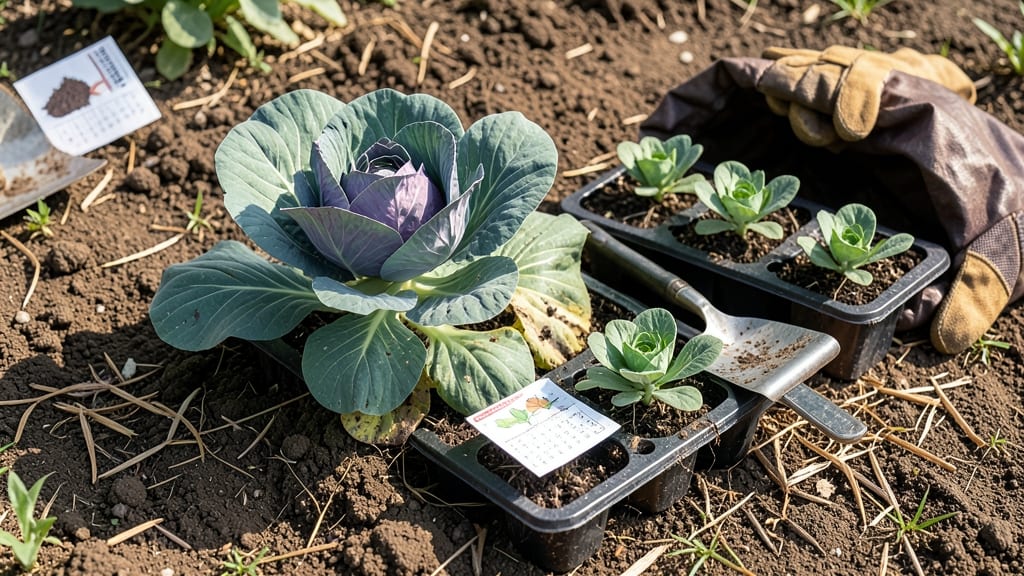
Timing your 🥬 cabbage planting in Michigan isn’t just about following a calendar—it’s about outsmarting the Great Lakes’ unpredictable frost and short growing season. One late freeze, and your hard work could disappear overnight.
But with the right start dates and cold-hardy varieties, you can turn Michigan’s chilly climate into your cabbage-growing advantage.
Most gardeners in USDA zones 5b-6b know spring is the prime window, but did you know fall planting can actually give you a second harvest?
The key is planting mid-April to early June for spring crops or late July to early August for fall, adjusting for your specific region’s last frost date. Let me show you exactly when to start seeds indoors versus transplanting young plants for maximum success.
What if I told you some cabbage varieties thrive in Michigan’s cool nights while others need summer heat? We’ll break down the best cold-hardy types and share pro tips to extend your growing season—like using row covers or succession planting—to keep your harvest going until November.
No more guessing games, just proven strategies for your Michigan garden.
Ready to grow crisp, homegrown cabbage that rivals anything from the store? Stick around as we dive into exact planting dates by region, the top varieties for Michigan’s climate, and the simple tricks that’ll make your cabbage thrive—no matter what Mother Nature throws your way.
Michigan cabbage planting calendar: exact start dates by region
Michigan’s three distinct climate zones mean your cabbage planting window should vary by region. The Upper Peninsula faces earlier frosts, while Southern Michigan enjoys a longer growing season. To maximize yields, align your planting with local frost-free dates and soil temperatures above 40°F.
For spring planting, aim to have transplants ready 4-6 weeks before your last frost date. In fall, start seeds 10-12 weeks before the first frost hits. Michigan’s USDA Zones 5b-6b create microclimates—adjust your schedule accordingly to avoid frost damage or bolting.
Here’s how to break it down by region, including exact start dates and transplanting strategies for both early and late varieties:
| Region | Last Frost Date | Spring Planting Window | Fall Planting Window | Transplanting Tip |
|---|---|---|---|---|
| Upper Peninsula (Marquette, Houghton) | Early May | Start seeds indoors: March 15 Transplant outdoors: April 20-May 5 |
Start seeds: July 1 Transplant: August 1-15 |
Use row covers for early starts |
| Northern Lower Peninsula (Traverse City, Grand Rapids) | Late April | Start seeds indoors: March 1 Transplant outdoors: April 10-April 30 |
Start seeds: June 20 Transplant: July 20-August 10 |
Choose fast-maturing varieties for fall |
| Southern Lower Peninsula (Detroit, Lansing, Kalamazoo) | Mid-April | Start seeds indoors: February 20 Transplant outdoors: March 20-April 15 |
Start seeds: July 15 Transplant: August 15-September 1 |
Extend season with black plastic mulch |
If you’re direct-sowing seeds instead of transplanting, adjust your timeline by 2-3 weeks earlier. Seeds germinate best in 50-85°F soil, so wait until mid-April in Southern Michigan or early May in the UP. For head start, use grow lights or a sunny windowsill to germinate seeds indoors.
For fall harvests, prioritize fast-maturing varieties like ‘Golden Acre’ or ‘Red Express’. These can go from seed to harvest in 55-65 days, giving you a second crop before frost.
In Southern Michigan, you might even squeeze in a third planting in early September for a late-October harvest.
One critical mistake Michigan gardeners make is planting too early and risking frost damage. Use frost cloth or cold frames to protect young plants if temperatures dip below 28°F. In the Upper Peninsula, this is especially important, as frosts can linger into early June.
Pro tip: Mark your calendar for Michigan State University’s frost date maps, updated annually. These provide hyper-localized guidance based on 30-year averages. Pair this with weekly weather checks to fine-tune your planting schedule.
For transplants, buy hardy seedlings from local nurseries in late April (Southern MI) or early May (UP). Avoid overcrowded flats, as cabbage needs 12-18 inches of space to form tight heads. Harden off seedlings for 7-10 days before planting to reduce transplant shock.
Remember: Cabbage thrives in cool weather, so avoid planting in July-August heat. Instead, focus on spring and fall windows for the best flavor and texture. With these region-specific dates, you’ll be well on your way to a bountiful harvest—no more guessing games! 🥬
Best cold-hardy cabbage varieties for Michigan gardens
Michigan’s cool summers and variable frost dates demand cabbage varieties that thrive in USDA Zones 5b-6b. I’ve grown dozens of types, and these top performers consistently deliver crisp, disease-resistant heads—even when temps dip unexpectedly. Choose early maturing types for spring harvests or heat-tolerant varieties for late-summer planting.
For spring planting (March-April), prioritize cold-tolerant varieties like ‘Golden Acre’ or ‘Early Jersey Wakefield’. These handle light frosts and mature in 60-70 days, perfect for Michigan’s short growing season.
If you’re planting in late July-August for fall harvests, opt for heat-resistant types such as ‘Cavalo’ or ‘Red Express’—they won’t bolt in summer’s 80°F+ heat waves.
🌱Pro Tip: Look for disease-resistant hybrids like ‘Krautman’ or ‘Tendercrisp’ to avoid common Michigan issues such as clubroot or blackleg disease. These varieties often come labeled with resistance codes (e.g., “C” for clubroot), making them ideal for Michigan’s moist, clay-heavy soils.
If you’re gardening in Michigan’s Upper Peninsula, where shorter summers are the norm, stick to early maturing varieties like ‘Tendercrisp’ (60 days) or ‘Golden Ball’ (70 days). These finish before first fall frosts hit in early October.
For Southern Michigan, where summers last longer, you can experiment with late-season varieties like ‘Supermerano’ (85 days) for harvests in October-November.
🌿Remember: Michigan’s soil pH often skews alkaline, which can stunt cabbage growth. Test your soil and amend with sulfur or peat moss to reach a pH of 6.0-6.8.
I’ve seen 30% larger heads in amended soil compared to untested beds. Pair your variety choice with proper soil prep, and you’ll maximize your Michigan cabbage harvests year after year.
For container gardening in Michigan, opt for dwarf varieties like ‘Miniature Drumhead’ (50 days) or ‘Peking White’ (60 days). These thrive in 5-gallon pots and tolerate urban heat islands better than larger types.
Just ensure your containers have drainage holes and use lightweight potting mix to prevent root rot in Michigan’s humid summers.