
Plants
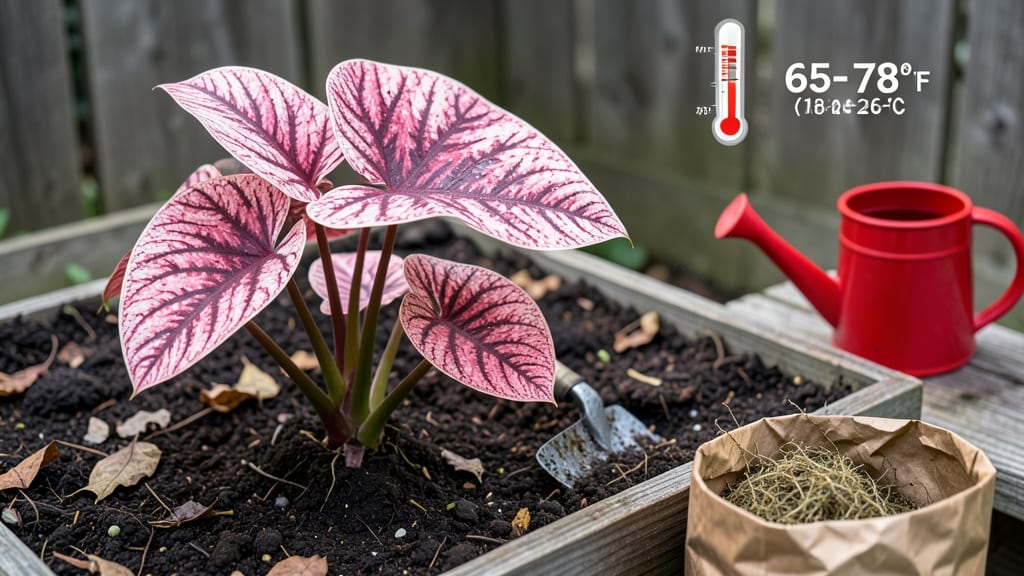
Best planting months for caladium bulbs in Texas heat zones
Texas’s diverse climate—from North Texas’s chilly winters to South Texas’s scorching summers—makes timing critical for caladium bulbs. These tropical plants demand warmth, so planting too early risks frost damage, while waiting too late cuts short their showy foliage season.
Let’s break down the ideal planting windows by USDA zones to maximize your caladiums’ potential.
In USDA Zone 8a (North Texas, e.g., Amarillo), aim to plant caladium bulbs in late April after the average last frost date (typically around March 15). The soil must reach at least 65°F—use a soil thermometer to confirm.
In Zone 9a/9b (Central Texas, e.g., Austin), you can plant as early as mid-March, while Zone 10a/10b (South Texas, e.g., Corpus Christi) allows planting by February 15.
Why the rush? Caladiums are heat-loving annuals in Texas—they won’t survive winter frost, so treat them as seasonal splashes of color.
Planting too early (e.g., February in North Texas) can leave bulbs vulnerable to unpredictable cold snaps, while delaying until May risks stunted growth before summer’s brutal heat sets in.
🌱
Pro tip: Use Texas A&M’s Frost Date Map to pinpoint your exact last frost date. For example, Dallas (Zone 8a) averages its last frost on March 15, while Houston (Zone 9a) sees frost by January 15.
Planting 2–3 weeks after your local last frost date gives caladiums time to establish roots before summer’s heat peaks.
Another critical factor is soil moisture. Texas summers are drought-prone, so plant caladiums when rains are more frequent (typically late spring). If you’re in a dry spell, water deeply before planting to help bulbs root faster.
Aim for 1–2 inches of water per week after planting to keep soil consistently moist.
Mistake alert: Many Texas gardeners plant caladiums too deep or in full sun, both of which stress the bulbs. These plants thrive in partial shade (4–6 hours of filtered light) and should be planted only 2–3 inches deep, with the neck of the bulb just above soil level.
Over-deep planting can cause rot, while full sun scorches their delicate foliage.
For container gardening (ideal for renters or small spaces), plant caladium bulbs in late April across all zones. Containers warm up faster than ground soil, so you can start slightly earlier if using black pots (they absorb heat).
Just ensure pots have drainage holes to prevent root rot—a common issue in Texas’s heavy clay soils.
🌿
Extend your caladiums’ season by planting in stages. Start with half your bulbs in March (if your zone allows) and the rest in early April. This staggered approach ensures continuous color from early summer through fall.
In Zone 10b, you can even plant a small batch in late October for a winter display before the first frost.
Remember: Caladiums are not winter-hardy in Texas. Once foliage yellows in fall (typically October–November), dig up bulbs, cure them in a dry, dark place for 2 weeks, then store in peat moss or paper bags in a cool (50–60°F), dry location until next spring.
This simple step lets you reuse bulbs for years, saving money and reducing waste.
How to prepare Texas soil for caladium bulbs before planting
Texas soil can be tricky for tropical plants like caladium bulbs. The clay-heavy and alkaline nature of many Texas gardens demands preparation to create the ideal moist, well-draining environment these bulbs crave.
Start by testing your soil’s pH—caladiums thrive in slightly acidic soil (6.0-6.5). If your soil is too alkaline, amend it with sulfur or peat moss to lower the pH gradually.
Before planting, loosen the top 12 inches of soil to improve aeration and drainage. Mix in 2-3 inches of organic matter, like compost or well-rotted manure, to enhance fertility.
This step is crucial because caladiums hate soggy roots, and Texas’s summer heat can bake the soil if it’s not amended properly. Aim for a loamy texture that holds moisture without becoming compacted.
⚠️ WARNING: Avoid These Soil Mistakes
❌ Over-amending with clay – Texas soil already has high clay content; adding more will suffocate roots. ❌ Skipping drainage tests – Plant in a low spot where water pools naturally, or create a slight mound to prevent waterlogging. ❌ Using fresh manure – It can burn delicate caladium roots; opt for composted organic matter instead.
Choose a partial shade location—caladiums burn easily in direct Texas sun. East-facing beds or areas under dappled tree shade (like oak or pecan trees) are perfect.
If your yard lacks natural shade, consider installing a shade cloth (30-50%) to protect your bulbs from the intense afternoon sun that can scorch their vibrant foliage.
After amending, mulch the soil with 2-3 inches of organic mulch, such as pine straw or shredded leaves. Mulching helps retain moisture, regulates soil temperature, and suppresses weeds—all critical in Texas’s hot, dry summers.
Replenish mulch as it breaks down to maintain its protective layer throughout the growing season.
One final tip: Water deeply before planting to settle the amended soil. This ensures the bulbs sit at the correct depth (2 inches below soil level) without sinking further as the ground settles.
A well-prepared bed sets the stage for stunning, long-lasting foliage that’ll steal the show in your Texas garden.
With the right soil prep, your caladium bulbs will thrive even in the Lone Star State’s brutal heat, delivering months of vibrant color from spring through fall. 🌿