
Plants
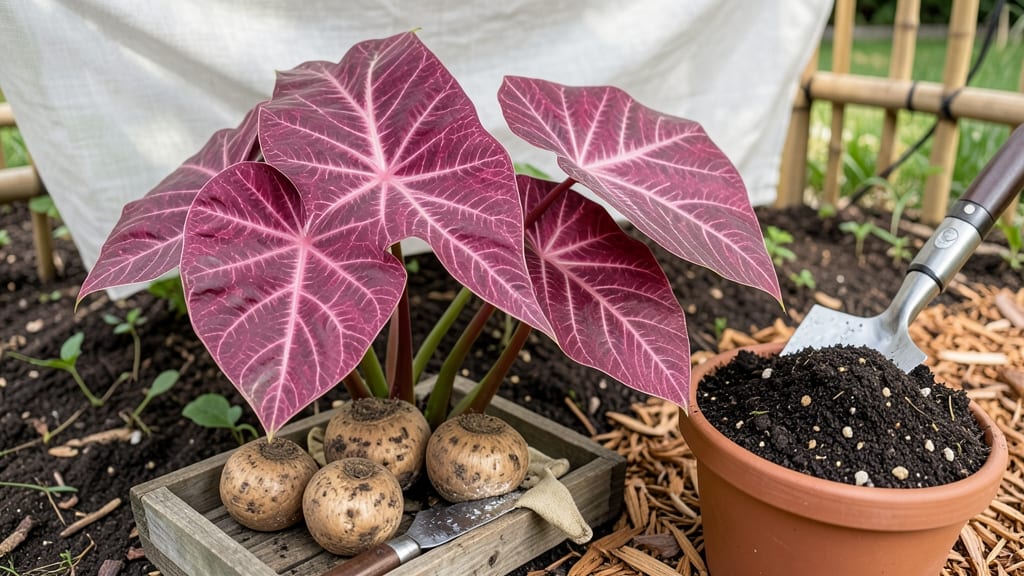
If you've ever planted caladiums in Texas only to watch them wilt before summer even hits, you're not alone. The perfect timing for these stunning 🌿 plants isn't just about avoiding frost—it's about playing the heat right.
Too early, and your tubers rot; too late, and you miss the vibrant foliage you crave.
Texas gardeners face unique challenges with caladiums because our climate swings from chilly mornings to scorching afternoons. The key isn't just waiting for spring—it's tracking soil temperatures and regional microclimates that can vary by hundreds of miles.
North Texas and South Texas have different rules, and getting them wrong means sacrificing those showstopping leaves.
I've tested the best planting windows across Texas's 8a-10b zones, and what I'm about to share will help you avoid common mistakes. Whether you're a first-timer or a seasoned gardener, these insights will give your caladiums the strong start they need to thrive all summer long.
Let's dive into the exact schedule, soil secrets, and heat hacks that make the difference between a lackluster patch of greenery and a garden centerpiece. Your bold foliage dreams start here.
Texas-specific caladium planting timeline for optimal growth
Caladiums thrive in Texas’s heat, but timing your planting is critical to avoid wilting tubers or missed summer foliage. These tropical plants need warm soil and frost-free conditions to establish roots before the intense summer sun.
In Texas, that means waiting until after the last frost—typically mid-March to early April—but with regional adjustments for North vs. South Texas.
North Texas gardeners (USDA zones 7b-8a) should aim for late March to early April, while South Texas (zones 8b-10b) can plant as early as mid-February. The key is waiting until soil temperatures hit 65°F—use a soil thermometer to check.
Planting too soon risks cold damage, while waiting too long may delay vibrant foliage until late summer.
Here’s how to align your planting with Texas’s heat zones and seasonal shifts to maximize growth and color:
Once you’ve nailed the planting window, focus on soil preparation. Caladiums prefer rich, well-draining soil with a slightly acidic pH (6.0–6.5). In Texas, this often means amending native clay or alkaline soil with peat moss or compost.
Work in a 2–3 inch layer of organic matter 2–3 weeks before planting to give microbes time to break it down.
After planting, mulch heavily (2–3 inches) to retain moisture and regulate soil temperature. This is especially critical in North Texas, where daytime temps can swing wildly. Use straw or shredded leaves—avoid wood chips, which can compact and suffocate roots.
Water deeply 2–3 times per week for the first month, then adjust based on rainfall and heat.
By mid-June, your caladiums should be in full swing, showcasing their striking foliage. In South Texas, you might see earlier blooms, while North Texas plants may peak in July.
To extend the season, deadhead spent foliage and fertilize lightly with a balanced 10-10-10 mix in early June. Avoid late-season feeding, as it encourages tender new growth vulnerable to fall frosts.
For container growers, timing is even more flexible. You can plant caladium tubers in pots as late as May in South Texas, but ensure containers have drainage holes and use a lightweight potting mix.
Move containers to partial shade during peak afternoon heat (1–4 PM) to prevent leaf scorch. This method works well for balconies or patios where in-ground planting isn’t possible.
Remember, caladiums are tender perennials—they won’t survive Texas winters outdoors. In fall, before temperatures drop below 50°F, dig up tubers, trim foliage, and store them in dry peat moss at 50–60°F until next spring.
This simple step ensures you can replant the same vibrant tubers year after year, saving money and effort.
With the right timing and care, your caladiums will reward you with bold, colorful foliage from summer through early fall. Whether you’re a North Texas gardener playing the frost game or a South Texas enthusiast embracing early starts, these heat-loving plants are a showstopper in any Texas garden. 🌿
Texas-specific caladium planting timeline for optimal growth
Caladiums thrive in Texas's long, hot summers, but timing your planting is critical. Unlike frost-hardy plants, these tubers hate cold soil—planting too early risks root rot from lingering moisture, while waiting too late means missing their peak summer display.
The sweet spot? After your last frost date and when soil temperatures hit 65°F consistently.
Texas's USDA Zones 8a-10b create regional differences. North Texas (like Dallas) averages its last frost around February 15, while South Texas (Houston/Austin) sees frost-free conditions by January 1. Adjust your schedule accordingly to avoid early-season wilting.
The ideal window for most of Texas is mid-March to early April. This gives tubers time to establish roots before June’s scorching heat peaks. In Zone 10b (Deep South Texas), you can plant as early as late February, but monitor soil temps closely.
🌱Pro Tip: Use a soil thermometer—caladiums need warm roots to thrive. If your soil is below 65°F, wait 1-2 weeks or use black plastic mulch to warm it faster.
| Region | Last Frost Date | Ideal Planting Month | Soil Temp Goal (°F) | Key Risk |
|---|---|---|---|---|
| North Texas (Dallas/Fort Worth) | Feb 15 | Mid-April | 65°F+ | Late frosts |
| Central Texas (Austin/San Antonio) | Feb 1 | Late March | 65°F+ | Heat spikes |
| South Texas (Houston/Corpus Christi) | Jan 1 | Late Feb | 68°F+ | Humidity stress |
| West Texas (El Paso/Midland) | Jan 31 | Early April | 70°F+ | Dry soil |
Post-planting care is just as critical. After planting, mulch heavily (2-3 inches) to retain moisture and regulate soil temps. Caladiums need consistent moisture but hate soggy roots—water deeply 2-3x weekly in summer, adjusting for rain. In containers, they dry out faster, so monitor soil daily.
🌿Watch for: Yellowing leaves? You’re overwatering. Wilting in heat? Increase shade. Caladiums reward perfect timing with stunning foliage from June through October—worth the wait!