
Plants
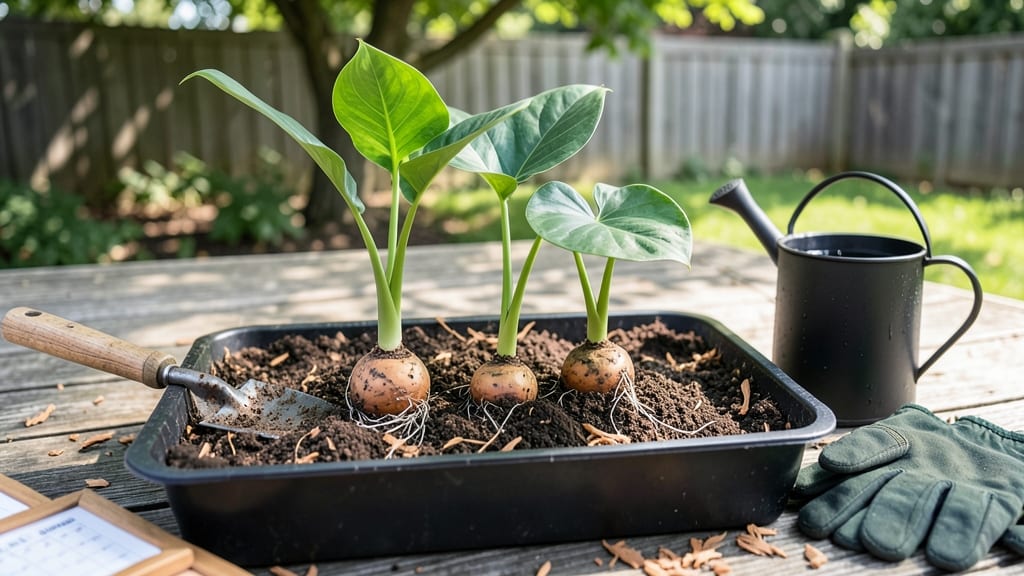
Planting your Calla Lily bulbs at the wrong time in Zone 6 can mean the difference between a stunning summer display and wasted effort.
These elegant 🌸 bloomers thrive when planted after the last frost—typically mid-April to early May—but getting the timing just right is key to avoiding frost damage or stunted growth.
If you’ve ever wondered why some gardens burst with vibrant calla lilies while others struggle, the answer often lies in soil temperature and frost timing.
Zone 6’s unpredictable spring weather makes this even trickier, but with the right approach, you can ensure your bulbs establish strong roots before the heat of summer arrives.
In this guide, I’ll walk you through the exact late spring to early summer window that works best for Zone 6, including soil prep tips and how to spot the perfect planting moment.
Whether you’re a first-time gardener or a seasoned pro, these insights will help you grow bold, long-lasting blooms.
Ready to transform your garden? Let’s dive into the step-by-step timing and care tips that make all the difference for calla lilies in your climate.

Optimal planting timeline for calla lilies in Zone 6: after last frost date
In Zone 6, timing your calla lily bulbs is everything—plant too early, and frost will kill them; too late, and you’ll miss summer blooms. The ideal window is after your last frost date, when soil temperatures consistently stay above 60°F.
For most of Zone 6, this means planting between mid-May and early June. However, microclimates (like frost pockets or urban heat islands) can shift this by 1-2 weeks. Always check your local USDA frost calendar for precision.
If you’re unsure about frost dates, use a simple trick: plant when daffodils bloom in your area—this signals safe soil temps for calla lilies. For spring blooms, aim for planting by June 1st to ensure flowers by summer.
Here’s the key: Calla lilies are tender perennials in Zone 6. While they’ll regrow from rhizomes if planted early, they often die back in winter. Most gardeners treat them as annuals or dig them up before frost.
🌱 Zone 6 Calla Lily Planting Timeline
| Stage | Action | Soil Temp | Notes |
|---|---|---|---|
| Pre-Frost (Mar-Apr) | Store bulbs indoors | Below 50°F | Keep in dry, cool place |
| After Last Frost (Mid-May) | Plant bulbs 4-6" deep | 60°F+ | Use well-draining soil |
| June-July | Blooms appear | 70°F+ | Water deeply weekly |
| Fall (Oct-Nov) | Dig up bulbs | Below 50°F | Store for next year |
⏰ Pro Tip: In Zone 6b, you can attempt fall planting (Sept-Oct) for earlier spring blooms, but mulch heavily to protect from early frosts.
Some gardeners in warmer microclimates (like near large bodies of water) can plant as early as late April. To test soil readiness, stick a thermometer 4 inches deep—if it’s consistently above 60°F for 3 days, it’s safe to plant.
For container gardening, the timeline shifts slightly. Move pots outside after frost but harden them off first (acclimate to outdoor temps over 7-10 days). Containers warm up faster, so monitor soil temps closely.
If you miss the spring window, don’t despair! You can still plant calla lilies in late July, though blooms may arrive later. Just expect smaller flowers and reduced vigor compared to spring-planted rhizomes.
Remember: Calla lilies thrive on consistency. Once planted, avoid moving them—these rhizomes hate disturbance and may refuse to bloom if transplanted later. Choose a permanent spot with partial shade and moist soil.
For Zone 6 gardeners, the secret to success is patience. Rushing planting can lead to frost damage, while waiting too long may delay blooms. Stick to the mid-May to early June window, and you’ll enjoy bold, tropical blooms all summer long. 🌸
Optimal planting timeline for calla lilies in Zone 6: after last frost date
Zone 6’s unpredictable spring frosts make timing critical for calla lilies. Unlike tropical plants that love heat, these rhizomes need soil temperatures above 60°F and frost-free conditions to thrive. Planting too early risks frost damage, while waiting too long delays blooms until late summer.
Most Zone 6 gardeners aim for late May to early June—after the last frost date—when soil warms consistently. However, microclimates matter: Valley areas may be ready by mid-May, while higher elevations might need to wait until June 1st.
For spring blooms, plant rhizomes in late spring (May-June) so they establish roots before summer heat. For fall planting (to overwinter), aim for late August to early September, allowing 6-8 weeks of root growth before frost.
| Stage | Zone 6 Timeline | Soil Temp | Action |
|---|---|---|---|
| Preparation | March-April | 45-55°F | Test soil drainage, amend with compost |
| Planting Window | Late May-Early June | 60°F+ | Plant rhizomes 4-6" deep, 12" apart |
| Bloom Phase | July-August | 70-85°F | Water deeply, fertilize monthly |
| Fall Prep | September | 50-60°F | Cut back foliage, mulch heavily |
Use a soil thermometer to confirm readiness—calla lilies won’t sprout until soil hits 60°F. In colder Zone 6a areas, extend planting into June to avoid frost risks. For container growing, wait until after June 15th to ensure roots warm up faster.
Pro tip: Mark your last frost date (check your local USDA Zone 6a/6b maps) and plant 2-3 weeks after. This buffer accounts for late-spring temperature swings that can stall growth.
Remember, calla lilies are perennial in Zone 6 if protected—unlike annuals, they’ll return year after year with proper timing and care. 🌸