
Plants
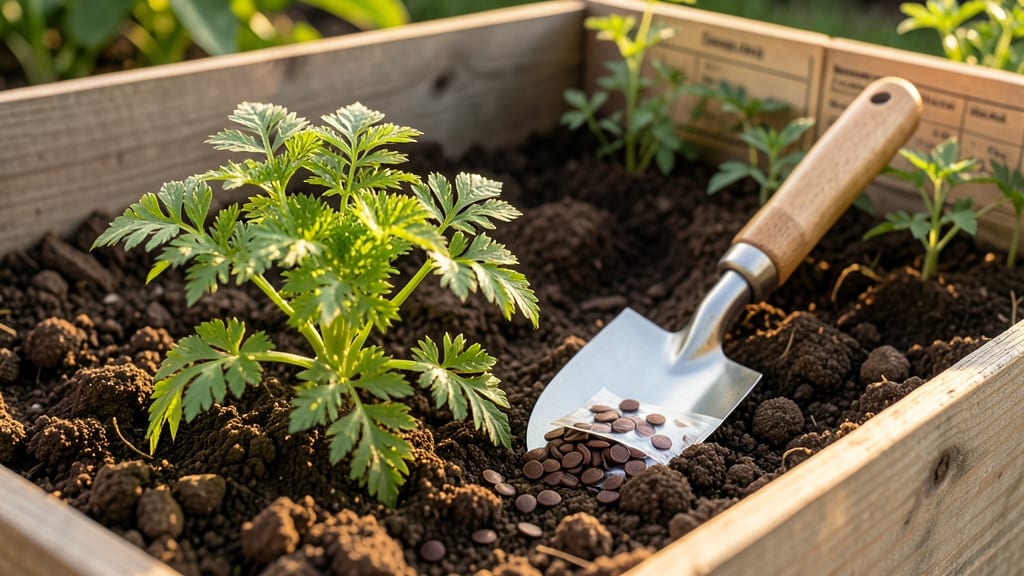
If you’ve ever learned when to plant carrots in Georgia the hard way—by growing bitter, stringy roots in the heat—you know the struggle. The secret to crisp, sweet 🥕 all season lies in planting at the right time, when temperatures stay mild and the soil cooperates.
Georgia's 7a-8b zones mean you can actually grow two carrot crops a year, but timing is everything. Plant too early, and you risk frost damage; too late, and the summer heat sends your carrots shooting up instead of down.
I'll show you the exact windows that work best for spring and fall harvests—plus how to adjust for your local microclimate.
We're talking February-March for spring planting and August-September for fall, with soil prep tricks to keep your carrots happy. Whether you're a first-time gardener or a seasoned pro, these strategies will help you grow the perfectly sized, tender roots Georgia gardeners dream of.
Ready to skip the bitter disappointment and grow carrots that actually taste like carrots? Let's dive into the best months, soil secrets, and shade hacks that make all the difference in your GA garden.
Best planting months for carrots in Georgia’s climate zones
Georgia’s USDA zones 7b-8a create a unique challenge for growing crisp, sweet carrots. The key is timing your plantings to avoid the scorching summer heat that triggers bolting and the mild winters that can stunt growth.
With the right schedule, you can enjoy two successive harvests—one in spring and another in fall.
Most gardeners in Georgia focus on two main planting windows: early spring and late summer. These timings align with the state’s average last frost date (March 15) and first frost date (November 15), giving carrots enough time to mature before extreme temperatures set in.
Let’s break down the best months for each window and how to maximize your yield.
Spring Planting is your best bet for a summer harvest. Start seeds indoors 6-8 weeks before your last frost (around January 15) or sow directly in the garden as soon as soil temperatures reach 50°F (typically February-March). This ensures roots develop before the heat of June and July triggers bolting.
Fall Planting for a winter harvest works well too. Aim to sow seeds 8-10 weeks before your first frost (around August-September). This gives carrots time to mature before cooler temperatures slow growth. In Georgia’s mild winters, you can even harvest into December if planted early enough.
Succession Planting is a game-changer in Georgia’s climate. Instead of one big planting, sow seeds every 2-3 weeks during your chosen window. This ensures a continuous supply of fresh carrots and reduces the risk of bolting from overcrowding. For example, if you plant your first batch in February, follow up with seeds in March and April for a staggered harvest.
🥕 Georgia Carrot Planting Timeline
| Planting Window | Best Months | Harvest Window | Key Tips |
|---|---|---|---|
| Early Spring | February-March | May-June | Sow after last frost; use shade cloth if temps exceed 80°F. |
| Late Summer | August-September | October-November | Choose bolt-resistant varieties; mulch to retain moisture. |
| Succession Planting | Every 2-3 weeks | Staggered harvests | Prevents bolting; ensures fresh carrots all season. |
Georgia’s microclimates can vary significantly, so always check your local frost dates. For example, northern Georgia (zone 7b) may experience earlier frosts than southern Georgia (zone 8a). Adjust your planting schedule accordingly—plant 2 weeks earlier in cooler areas and 2 weeks later in warmer zones.
Another critical factor is soil temperature. Carrots germinate best in soil that’s 50-85°F. In Georgia, this means waiting until late February or early March for spring plantings. Use a soil thermometer to monitor temperatures if you’re unsure. If soil is too cold, seeds may rot instead of sprouting.
Don’t overlook shade and mulch during peak summer months. Even if you plant in the ideal window, Georgia’s July and August heat can cause carrots to bolt prematurely.
Apply a 2-3 inch layer of mulch to keep soil cool and moist. You can also use 30% shade cloth to protect seedlings from intense sunlight.
Finally, choose your carrot varieties wisely. Some types, like ‘Danvers’ or ‘Nantes’, handle Georgia’s heat better than others. These varieties are less likely to bolt and mature faster, giving you a better chance of a successful harvest before the heat sets in.
We’ll cover the best varieties for Georgia in the next section.
Best planting months for carrots in Georgia’s climate zones
Georgia’s USDA zones 7b-8a offer two prime windows for growing crisp, sweet carrots: early spring and late summer. Timing is everything—plant too early, and frost may strike; too late, and the heat will trigger bolting (flowering).
The key is aligning with Georgia’s last and first frost dates (March 15 and November 15, respectively) to maximize your harvest.
For most of Georgia, the ideal planting months are February through March for spring carrots and August through September for fall crops. These windows ensure your carrots mature before summer’s extreme heat or winter’s chill sets in.
In northern Georgia (zone 7b), you might squeeze in a late January planting, while southern Georgia (zone 8a) gardeners can extend fall plantings into early October.
| Season | Planting Window | Harvest Window | Key Consideration |
|---|---|---|---|
| Spring | February–March | May–June | Avoid frost; thin seedlings early |
| Fall | August–September | October–November | Use shade cloth if temps exceed 85°F |
| Succession | Every 2–3 weeks | Staggered harvests | Extend season with short-season varieties |
Succession planting is your secret weapon in Georgia. By sowing new carrot seeds every 2–3 weeks from February through April, you’ll enjoy a steady supply of fresh roots. For fall crops, focus on short-season varieties (like ‘Early Nantes’) to beat the first frost.
In cooler microclimates (e.g., mountain regions), you might even squeeze in a late summer planting for a fall harvest.
Pro tip: Use a planting calendar to track your progress. Mark your last frost date and count backward—carrots need 70–80 days to maturity. For example, if your first frost is November 15, aim to plant by August 15 for a harvest before winter sets in.
In southern Georgia, where winters are milder, you can push this to early September.
Don’t overlook soil temperature—carrot seeds need soil at 60–70°F to germinate. In Georgia’s spring, this often means waiting until late February or early March. Use a soil thermometer to check before planting.
If your soil is too cold, cover it with black plastic for a week to warm it up naturally.
Finally, choose your location wisely. Carrots thrive in full sun (6+ hours daily), but in Georgia’s summer heat, afternoon shade can prevent bolting. Raised beds or elevated rows also improve drainage, which is critical for preventing forked or woody roots.
With the right timing and care, you’ll harvest perfectly shaped, sweet carrots all season long.