
Plants
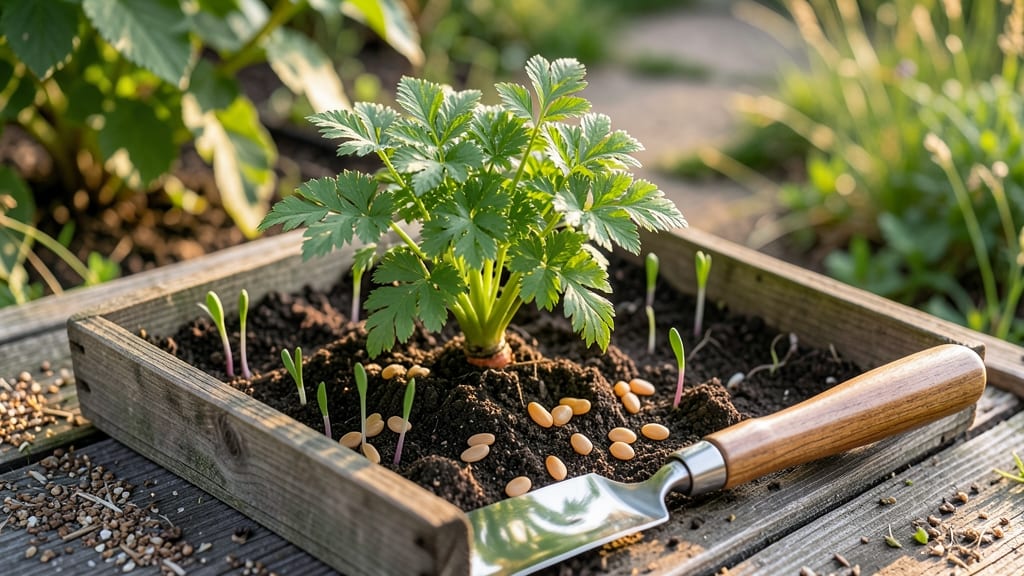
If you’ve ever pulled a woody, forked carrot from your Vermont garden, you know timing is everything—especially when it comes to planting. The right window between Vermont’s unpredictable frosts and short growing season can mean the difference between crisp, sweet harvests and disappointing failures.
Vermont’s 4b-6a zones demand precision, but don’t worry—you don’t need a PhD in agriculture to get it right. Whether you’re a first-time gardener or a seasoned green thumb, knowing when to plant carrots in Vermont will give you the edge.
We’re talking two ideal planting seasons: spring and fall, with strategies to stretch your harvest from June through November.
Let’s cut to the chase: the best time to plant 🥕 carrots in Vermont is between April 15 and June 15 for spring, and again from July 15 to August 15 for fall.
But here’s the secret—success isn’t just about dates. It’s about soil prep, succession planting, and working with Vermont’s quirks like rocky soil and early frosts.
In this guide, I’ll walk you through exact planting dates, soil tricks to avoid forking, and how to extend your harvest season. By the end, you’ll be pulling perfect carrots straight from your garden—no grocery store in sight!
Best planting dates for carrots in Vermont’s hardiness zones
Vermont’s USDA Zones 4b-6a mean your carrot planting schedule must account for late spring frosts (mid-May) and early fall frosts (mid-October). The key is timing your plantings to align with soil temperatures (ideally 60°F+) and Vermont’s 150-day frost-free window.
Whether you’re in northern Vermont (like Burlington) or southern regions (like Bennington), these dates will maximize your harvest.
For spring plantings, aim to sow seeds 2-3 weeks after your last frost date.
In Vermont, this typically lands between April 15 and May 15, depending on your microclimate. Fall plantings should start 8-10 weeks before the first frost, or roughly July 15 to August 15.
This ensures carrots mature before winter sets in, giving you a second harvest in late fall.
Here’s how Vermont’s zones break down for optimal planting:
| Zone | Spring Planting Window | Fall Planting Window | Soil Temp Requirement | Notes |
|---|---|---|---|---|
| 4b (Northern VT) | April 20 - May 10 | July 20 - August 10 | 60°F+ | Use row covers for early spring; choose cold-hardy varieties like 'Nantes'. |
| 5a (Central VT) | April 15 - May 5 | July 15 - August 5 | 60°F+ | Ideal for 'Danvers' and 'Paris Market' varieties; succession plant every 2 weeks. |
| 6a (Southern VT) | April 1 - May 1 | July 1 - August 1 | 55°F+ | Longer season allows for 'Chantenay' and 'Rainbow' varieties; plant as early as March under cover. |
If you’re growing carrots in containers or raised beds, you can push these dates slightly earlier—containers warm up faster in spring. Just ensure your pots have drainage holes and are at least 12 inches deep to accommodate full-sized roots.
For rocky Vermont soil, mix in compost or sand to prevent forking and improve root development.
Pro tip: Direct sow seeds rather than transplanting seedlings—carrots hate root disturbance. Scatter seeds ¼ inch deep and thin seedlings to 2-3 inches apart once they’re 2 inches tall. This spacing prevents competition and ensures straight, crisp roots.
For continuous harvests, practice succession planting: sow a new batch every 2-3 weeks from April through June, then again in late July. This way, you’ll have carrots ready to pull every few weeks from June through October.
Just remember: shorter-day varieties (like 'Early Nantes') mature faster and are ideal for late summer plantings.
Vermont’s short growing season means you’ll need to choose fast-maturing varieties (60-70 days to harvest) for fall crops. Varieties like 'Little Finger' (50 days) or 'Golden Ball' (65 days) are perfect for late-summer sowings and will give you a harvest before frost.
Always monitor your local frost dates—they can vary by 1-2 weeks depending on elevation and microclimates. Check resources like the Vermont Weather Underground or your local Cooperative Extension office for real-time updates. With the right timing, you can enjoy homegrown carrots from June through November!
Best planting dates for carrots in Vermont’s hardiness zones
Vermont’s USDA zones 4b-6a mean your carrot planting schedule should account for late spring frosts and early fall freezes. Most gardeners in the Green Mountain State divide their efforts into two main planting windows: early spring and late summer.
The key is starting seeds when soil temperatures hit 50°F (10°C)—this ensures steady germination without risking frost damage.
For spring plantings, aim to sow seeds 2-3 weeks before your last frost date. In Vermont, this typically falls between mid-April and early May in southern regions (like Rutland) and late April to mid-May in northern areas (like Burlington).
If you’re eager to start earlier, use row covers or cold frames to protect tender seedlings from late frosts.
🥕
| Planting Window | Ideal Month | Soil Temp | Vermont Notes |
|---|---|---|---|
| Early Spring | Mid-April to Early May | 50-60°F (10-15°C) | Use row covers for frost protection; choose fast-maturing varieties like 'Early Nantes'. |
| Late Summer | Mid-July to Mid-August | 55-65°F (13-18°C) | Avoid planting too late; aim for 70-80 days to harvest before frost. Try 'Danvers Half Long' for cold tolerance. |
| Fall (Extended) | Late August to Early September | 50-60°F (10-15°C) | Use black plastic mulch to warm soil; harvest before hard frost (mid-October). |
If you’re aiming for a continuous harvest, consider succession planting every 2-3 weeks from April through July. This ensures you’re always pulling fresh carrots from the garden.
For example, plant a batch on April 15th, another on May 1st, and a final one on June 15th to stretch your harvest into early fall.
Vermont’s rocky soil can pose challenges for carrot growth, so focus on well-drained, loose soil with plenty of organic matter. Work in compost or aged manure before planting to improve texture and fertility. Avoid fresh manure, as it can cause forking or bitter flavors in your carrots.
For gardeners in higher elevations (like the Northeast Kingdom), push your planting dates back by 1-2 weeks to account for cooler soil temperatures. Monitor your local frost dates—Vermont’s last spring frost can vary by 2-3 weeks depending on the year and location.
Pro tip: Direct sow seeds rather than transplanting seedlings, as carrots hate root disturbance. Space seeds 1/4 inch apart in rows 12-18 inches apart to give roots room to grow straight and avoid competition. Thin seedlings to 2-3 inches apart once they’re 2 inches tall to prevent overcrowding.