
Plants
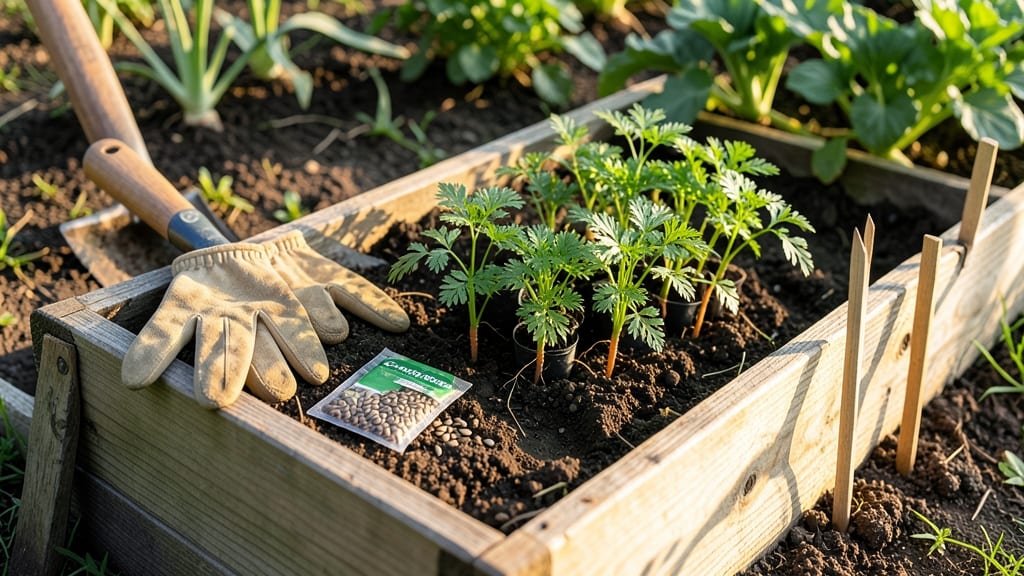
Knowing when to plant carrots in Zone 5b can mean the difference between a bountiful harvest of sweet, crisp 🥕 roots and a frustrating struggle with stunted growth or bitter flavors.
In this cooler climate, timing isn't just important—it's everything, especially when you're working with a short growing season and unpredictable spring weather.
Most gardeners in Zone 5b swear by early spring planting as their go-to strategy, typically starting seeds indoors in late February or direct-sowing them outdoors once soil temperatures hit a steady 45°F—usually around mid-March.
But here's the catch: if you plant too early, your young seedlings could get zapped by late frosts, while planting too late risks bolting (going to seed) before you can enjoy your harvest.
What if I told you there's a second chance to grow carrots later in the year? Late summer plantings (around July) can extend your harvest into fall, giving you fresh 🥕 roots well into October.
The key is understanding how to balance soil warmth, moisture, and daylight to keep your carrots thriving through both windows.
Whether you're a first-time gardener or a seasoned pro, mastering these planting windows will help you grow carrots that are tender, flavorful, and ready to harvest at their peak. Let's dive into the exact dates, soil prep tips, and pro strategies to make your Zone 5b carrot patch a success.

Best planting windows for carrots in Zone 5b: spring vs fall timing
In Zone 5b, where last frosts typically arrive around April 15 and first frosts hit by October 15, timing your carrot plantings correctly is key to avoiding frost damage or woody roots.
The ideal window focuses on soil temperatures between 45°F and 75°F, which gives carrots the perfect balance for germination and growth.
For most gardeners in Zone 5b, the primary planting window is late March to mid-April, just as the soil warms but before summer’s intense heat sets in. This timing ensures your carrots mature before bolting (premature flowering) or becoming tough and fibrous.
Fall plantings are also possible, but they require careful planning to harvest before frost.
Here’s how to break down the best planting windows for spring and fall crops in Zone 5b, including soil temperature thresholds and frost risk analysis:
| Planting Window | Ideal Soil Temp | Frost Risk | Harvest Window | Notes |
|---|---|---|---|---|
| Late March - Mid-April | 45°F - 60°F | Low (post-last frost) | July - September | Best for sweet, tender roots. Use row covers if late frost threatens. |
| Early April - Early May | 60°F - 75°F | None (safe after April 15) | August - October | Slightly later maturing; risk of bolting in hot summers. |
| Late July - Early August | 65°F - 70°F | Moderate (harvest before Oct 15) | October - November | Fall crop; use cold-hardy varieties and protect with mulch. |
Spring plantings in late March give you the earliest harvests, but you’ll need to monitor soil temperatures closely. If the ground stays too cold (below 45°F), seeds may rot or fail to germinate.
A soil thermometer is your best friend here—aim for consistency in the 50°F-60°F range for reliable sprouting.
For fall plantings, late July to early August is your best bet. These carrots will mature just in time for harvest before the first frost hits in mid-October.
However, they’ll need protection if temperatures dip unexpectedly. Use row covers or straw mulch to extend the season by 2-3 weeks.
One common mistake in Zone 5b is planting carrots too late in spring (after early May). By then, the heat can cause them to bolt or develop woody textures.
To avoid this, stick to early spring plantings and consider shade cloth during peak summer months if you’re experimenting with later dates.
Pro tip: If you’re eager for a continuous harvest, try succession planting every 2-3 weeks from March through May. This way, you’ll always have fresh carrots ready to pull, regardless of the season’s whims.
Finally, remember that soil preparation is just as critical as timing. Carrots need loose, rocky-free soil to grow straight and sweet. Work in compost before planting to improve drainage and avoid forked roots—a common issue in heavy or compacted soil.
With the right timing and a little extra care, you’ll be enjoying homegrown carrots from July through November in Zone 5b—no grocery store needed! 🥕
Best planting windows for carrots in Zone 5b: spring vs fall timing
In Zone 5b, where last frost dates hover around mid-April and first frost arrives by mid-October, timing your carrot planting is critical. The ideal soil temperature for germination is between 45°F and 75°F, which means you’ve got two prime windows: early spring and late summer.
Let’s break down the best times and what to watch for.
For spring planting, aim to sow seeds 4-6 weeks before your last frost date. In Zone 5b, that’s typically mid-March to early April. This gives your carrots enough time to mature before summer heat sets in.
If you plant too early, cold soil can delay germination, while planting too late risks bolting (premature flowering) due to heat stress.
🌱 Pro Tip: Use a soil thermometer to confirm your soil is at least 50°F before planting. Carrot seeds need warmth to sprout, and cold, wet soil can lead to rot or poor germination.
| Planting Window | Ideal Months | Soil Temp | Frost Risk | Harvest Window |
|---|---|---|---|---|
| Spring Planting | Mid-March to Early April | 45°F–65°F | Low (after last frost) | June–October |
| Late Summer Planting | Late July–Early August | 60°F–75°F | Moderate (first frost risk) | October–November |
Don’t overlook fall planting, which is often underrated but can yield a second harvest before winter. In Zone 5b, sow seeds 8-10 weeks before your first frost, typically late July to early August.
This gives your carrots time to mature before soil temperatures drop below 40°F, which can stunt growth. Choose cold-hardy varieties like ‘Danvers’ or ‘Nantes’ for better success in cooler weather.
🌿 Watch Out: Avoid planting carrots when daytime temps exceed 85°F, as this can cause them to become woody or bitter. If your summer heat stretches beyond August, opt for shade cloth or drip irrigation to keep roots cool and crisp.
To maximize your harvest, consider succession planting every 2-3 weeks in spring and 1-2 weeks in fall. This staggered approach ensures a steady supply of fresh carrots from June through November. Just remember: loose, rocky-free soil is non-negotiable—carrots need room to grow!