
Trees
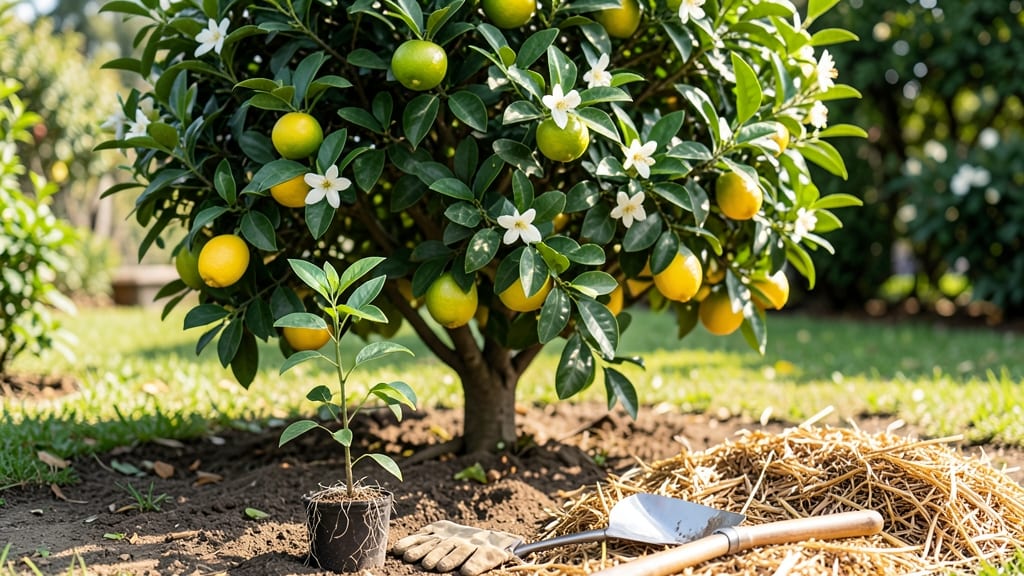
Planting a 🍊 citrus tree in Southern California feels like a no-brainer—until you realize that even in our frost-free paradise, timing matters more than you’d think.
The right window ensures your tree thrives from day one, while a misstep could leave it struggling to establish roots or worse, vulnerable to unexpected cold snaps in unexpected microclimates.
Here’s the secret: the best months to plant aren’t just about the calendar—they’re about matching your location’s unique conditions.
Coastal areas with their cool breezes and inland spots baking under the sun each have their own ideal planting windows, and getting it right means the difference between a lush, fruiting tree and one that fights to survive.
If you’re dreaming of homegrown lemons or oranges, you’ll want to learn how to align your planting with your tree’s growth cycle—and trust me, it’s not as simple as grabbing a sapling in summer.
We’ll break down the optimal months for your specific zone, plus pro tips to set your citrus tree up for success from the very first shovel in the dirt.
Ready to turn your backyard into a mini orchard? Let’s dive into the exact timing, soil prep, and early-care steps that’ll give your 🍊 citrus tree the head start it deserves—no frost worries, just sunshine and sweet fruit.
Optimal planting months by Southern California microclimate zones
Southern California’s diverse climates—from coastal breezes to inland heat—mean one-size-fits-all planting advice won’t work for citrus. The key is aligning your planting window with your local frost risk and soil temperature. Most areas (USDA zones 9b-11) have zero frost risk year-round, but microclimates still demand precision.
For coastal regions (e.g., Santa Barbara, San Diego), January through March are ideal. Cooler ocean breezes stabilize soil temps at 60°F+, perfect for root establishment. Inland areas (Los Angeles, Riverside) can plant year-round, but late winter to early spring (February-March) minimizes heat stress during root growth.
Desert zones (Palm Springs, Coachella Valley) have warmer soils year-round, but planting in November-December lets roots establish before summer’s extreme heat. Always check local frost dates—even high-elevation areas like Mount Laguna can dip below 32°F in winter.
🌱
Soil temperature is non-negotiable for citrus. Roots need consistent warmth—below 55°F, growth stalls. Use a soil thermometer to confirm temps before planting. In coastal areas, morning fog can delay warming; inland zones heat up faster but may need shade cloth for young trees in summer.
Container planting offers flexibility. If you’re in a rental home or urban space, dwarf varieties (like Meyer lemons) thrive in pots and can be planted year-round as long as the container stays above 50°F. Just ensure pots have drainage holes and use well-draining potting mix.
Pro tip: Bare-root citrus trees (sold without soil) can be planted year-round in Southern California, but container-grown trees are safer in summer months due to their established root systems. Always water deeply after planting to eliminate air pockets in the soil.
💧
Timing isn’t just about months—it’s about weather patterns. Check your local 7-day forecast for no rain in the 48 hours after planting. Wet soil can suffocate roots, while dry conditions help roots establish faster. In desert zones, planting after the monsoon season (July–September) ensures moisture for root growth.
Finally, avoid planting during heatwaves (>95°F). High temps cause transplant shock, even in drought-tolerant citrus. If you must plant in summer, do it at dusk and provide 50% shade cloth for the first 2 weeks. Mulch with 3–4 inches of wood chips to retain moisture and regulate soil temp.
☀️
How to choose the best planting window for your citrus variety
Not all citrus trees thrive on the same schedule in Southern California. Lemons and limes are faster growers and can handle cooler winter temps better than oranges or grapefruits. If you're planting a lemon tree, aim for January or February when soil temperatures are ideal—around 60-70°F.
These months give young trees time to establish roots before summer heat arrives.
For orange and grapefruit varieties, which are more sensitive to cold, March is your best bet.
These trees need warmer soil to prevent root shock, and March's milder weather provides the perfect transition. Dwarf varieties like Calamondin or Meyer lemon can even be planted in December if you're in a coastal area with no frost risk.
Here’s a quick guide to align your planting with your citrus variety’s needs:
| Citrus Variety | Best Planting Month | Soil Temp Requirement | Notes |
|---|---|---|---|
| Lemon (e.g., Eureka, Meyer) | January–February | 60–70°F | Cold-hardy; tolerates coastal breezes. |
| Lime (e.g., Bearss, Key) | January–March | 65–75°F | Needs consistent moisture; avoid inland heatwaves. |
| Orange (e.g., Valencia, Navel) | March–April | 70–80°F | Sensitive to cold; plant after last frost risk. |
| Grapefruit (e.g., Ruby Red) | March–April | 70–80°F | Thirsty tree; mulch heavily to retain moisture. |
| Dwarf Varieties (e.g., Calamondin) | December–February | 60–70°F | Ideal for containers; plant early for faster fruiting. |
Timing isn’t just about the calendar—it’s also about local weather patterns. Check your microclimate: Coastal areas like San Diego or Santa Barbara have milder winters, so you can plant lemon trees as late as March.
Inland regions like Los Angeles or Riverside may experience rare cold snaps in December, so stick to January or February for safety.
Pro tip: If you’re planting in containers, you can extend your planting window slightly. Containers warm up faster in spring, so you might get away with planting orange trees in late February instead of March.
Just ensure your container has drainage holes and use a lightweight potting mix to prevent root rot.
Finally, align your planting with fruit maturity cycles. If you want lemon harvests by summer, plant in January. For Valencia oranges ready by winter, plant in March.
The key is giving your tree enough time to establish before its first fruiting season—usually 12–18 months for most varieties.