
Plants
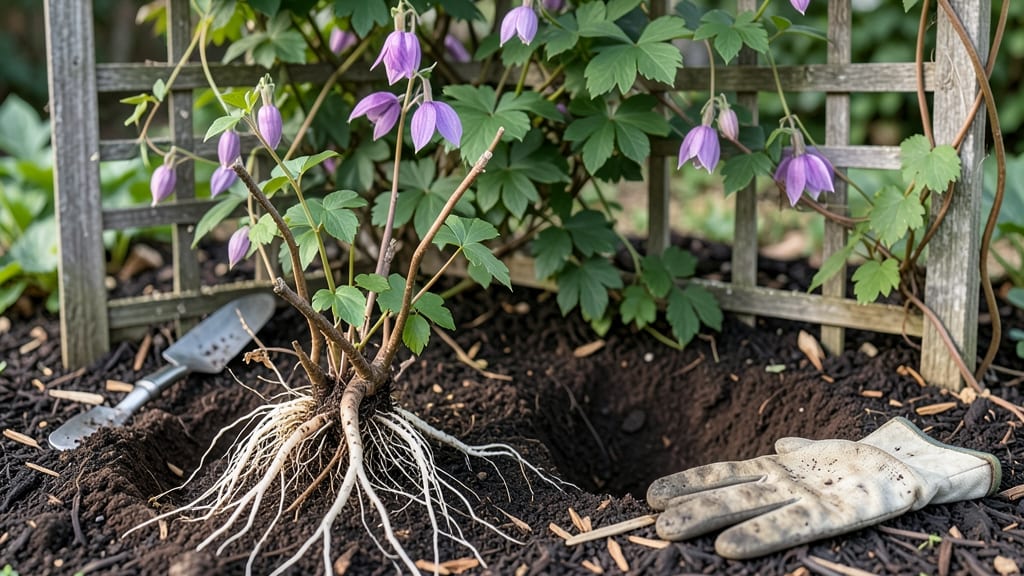
Knowing when to plant clematis in Zone 8 can mean the difference between a thriving 🌸 vine and one that struggles to take hold.
This hardy perennial loves the mild winters and long growing season of Zone 8, but timing your planting just right is the key to unlocking its full potential.
Most gardeners in Zone 8 have two prime windows: early spring when the soil warms up or fall before the first frost arrives. Each approach offers unique benefits, and choosing the right one depends on your local microclimate and the specific clematis variety you're planting.
In this guide, I'll break down the best months for planting, how to prepare your soil for maximum root growth, and which clematis varieties handle Zone 8's climate best. Whether you're planting in-ground or containers, these tips will help you get started on the right foot.
You'll also discover how to protect your clematis from Zone 8's occasional heatwaves and early frosts, ensuring your vine establishes strong roots and produces stunning blooms year after year. Let's get growing!

Best planting months for clematis in Zone 8: fall vs spring breakdown
In Zone 8, clematis thrives with mild winters and long growing seasons, but timing your planting is critical. The two best windows are early spring (March–April) and fall (September–October).
Each offers unique advantages, depending on your microclimate and clematis variety. Let’s break down why one might work better than the other for your garden.
Spring planting gives clematis 6–8 weeks to establish roots before summer heat arrives. This is ideal for Zone 8a (colder subregion) where last frosts linger until mid-March. Fall planting, however, allows roots to harden off before winter, reducing transplant shock.
For Zone 8b (warmer subregion), fall planting can extend the growing season by 4–6 weeks.
Soil temperature is the key factor. Clematis roots struggle in soils below 50°F (10°C) or above 85°F (29°C). In spring, aim to plant when soil temps stabilize at 60–70°F (15–21°C), typically by late March. In fall, plant 6–8 weeks before first frost (usually mid-September in Zone 8).
Here’s how the two seasons compare for Zone 8 gardens:
| Factor | Spring Planting (March–April) | Fall Planting (September–October) |
|---|---|---|
| Best For | Zone 8a (colder microclimates), early bloomers | Zone 8b (warmer microclimates), late bloomers |
| Soil Temp | 60–70°F (15–21°C) | 60–70°F (15–21°C) |
| Root Growth | Fast (6–8 weeks before summer) | Moderate (hardens before winter) |
| Water Needs | High (establishment phase) | Medium (tapering in fall) |
| Frost Risk | Low (after last frost) | Moderate (plant before first frost) |
| Bloom Time | Early to mid-season | Late-season or next year |
For Zone 8a gardeners, spring planting is safest because it avoids early fall rains that can rot roots. In Zone 8b, fall planting lets you take advantage of cooler temps and longer daylight for root establishment.
If you’re unsure, err on the side of spring—it’s more forgiving for beginners.
Pro tip: If you miss both windows, container planting buys you flexibility. Potted clematis can be planted anytime soil temps are ideal (60–70°F) and moved outdoors after last frost. Just ensure your container has drainage holes and use well-draining potting mix.
Regardless of season, always mulch heavily after planting to retain moisture and regulate soil temperature. In Zone 8’s heat, mulch with 3–4 inches of straw to protect roots from heat stress. For fall plantings, add a thick layer of compost to boost winter hardiness.
Timing isn’t just about the calendar—it’s about reading your microclimate. Check your local last frost date (use the USDA Plant Hardiness Zone Map) and adjust accordingly.
In coastal Zone 8, for example, fall planting can extend into November, while inland areas may need to plant by mid-October.
🌸
Best planting months for clematis in Zone 8: fall vs spring breakdown
Zone 8 gardeners have two prime windows to plant clematis: early spring or early fall. Both offer distinct advantages, but the wrong timing can leave your vine struggling.
In Zone 8, where winters are mild but summers can scorch, choosing the right season makes all the difference for root establishment and bloom potential.
Spring planting (March–April) aligns with soil warming and active growth, while fall planting (September–October) lets roots establish before winter dormancy. For Zone 8b (warmer subregion), fall planting extends slightly into November, but avoid planting too late—roots need time to harden before frost.
Soil temperature is your best guide: Aim for 50–60°F soil temps. In Zone 8, this typically means March for spring or September for fall. Use a soil thermometer to check—cool soil slows root growth, while hot soil can shock delicate roots.
🌱
| Factor | Spring Planting (March–April) | Fall Planting (September–October) |
|---|---|---|
| Best For | Fast root growth, immediate blooms | Established roots before winter |
| Soil Temp | 50–60°F (ideal for growth) | 55–65°F (allows root hardening) |
| Bloom Timing | Current year blooms possible | Next year’s blooms (focus on roots) |
| Zone 8a Note | Plant by April 15 to avoid heat stress | Finish by October 15 for root hardening |
| Zone 8b Note | Extend to May 1 if irrigated | Can plant until November 1 (mild winters) |
For Zone 8 gardeners, spring planting is ideal if you want faster results—your clematis may even bloom its first year. However, fall planting often yields stronger vines because roots establish without summer heat stress.
In Zone 8b’s warmer microclimates, fall planting can stretch later into November, but avoid planting when soil temps drop below 50°F.
Pro tip: If you miss both windows, container planting buys you flexibility. Potted clematis can be planted anytime soil isn’t frozen, and you can move containers to protect roots during extreme heat or cold. Just ensure containers are at least 12 inches deep to accommodate root growth.
🌿