
Trees
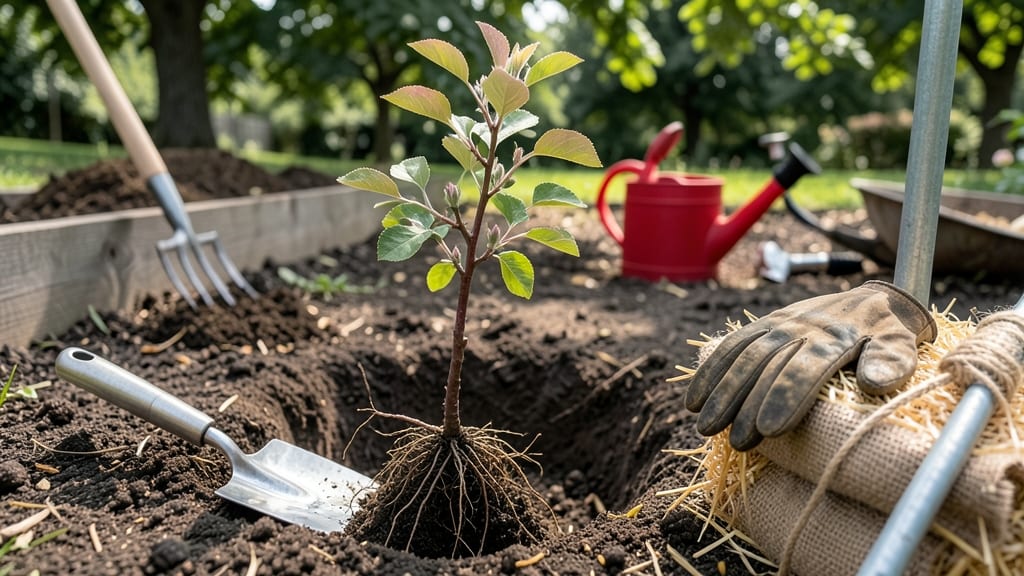
If you're dreaming of a backyard bursting with fresh 🍎 apples or juicy peaches, timing your fruit tree planting is the key to success in Kentucky's unique climate. Planting at the wrong time can leave your trees struggling—whether it's stunted growth or inviting pests.
For Kentucky gardeners in zones 6a-7a, the best window to plant fruit trees is late winter to early spring, when the soil warms up just enough for roots to take hold.
You might think spring is the only option, but Kentucky's mild winters actually open up a second chance in fall. The trick is understanding when your soil is cool enough to protect young roots but warm enough to encourage growth.
I'll break down exactly which months work best for different fruit varieties—from stone fruits like peaches to pome fruits like apples—so you can avoid common mistakes that waste time and money.
Let’s cut through the guesswork. Whether you're planting bare-root saplings or container-grown trees, I’ll share the most important signs your soil is ready, plus how to adjust for Kentucky’s microclimates.
By the end, you’ll know exactly when to dig in for a thriving orchard that’ll reward you with harvests for years to come.
Ready to get started? The best time to plant isn’t just about the calendar—it’s about giving your fruit trees the perfect head start in Kentucky’s ever-changing seasons.
Optimal Kentucky planting months for fruit trees by variety
Kentucky’s USDA zones 6a-7a offer a 180-day growing season, giving you two prime windows to plant fruit trees: late winter/early spring and fall.
The best time depends on the fruit type—stone fruits (peaches, plums) thrive in cooler spring soil, while pome fruits (apples, pears) tolerate slightly later starts. Let’s break down the ideal months for each variety to ensure strong root growth and a bountiful harvest.
For bare-root trees, Kentucky’s February to early April window is critical. These trees need chilled soil (40-50°F) to wake from dormancy but not yet active growth. Planting too early risks frost damage, while waiting too long means roots struggle to establish before summer heat.
Container-grown trees offer more flexibility—you can plant them throughout spring and early fall, but timing still matters.
Here’s how Kentucky’s microclimates affect timing: Northern regions (like Paducah) have later last-frost dates (mid-April), while Louisville and Lexington typically see frost by March 15. Adjust your planting schedule 2-3 weeks earlier if you’re in a cooler zone.
For example, plant peach trees in February in Louisville but wait until March in northern Kentucky.
Avoid planting after June unless using container-grown trees with root stimulants. Summer heat stresses young roots, and late-season planting can lead to poor establishment before winter dormancy. If you miss spring, focus on fall planting (September-October) for varieties like apples and pears, which benefit from cooler soil temperatures.
If you’re planting dwarf varieties, timing is slightly more flexible—their smaller root systems establish faster. However, even dwarfs need 6-8 weeks of warm soil before summer heat arrives.
For example, a dwarf apple tree planted in late April can still thrive if given consistent morning watering and mulch protection.
Kentucky’s humid summers can stress young fruit trees, so prioritize root development over early fruiting. Avoid planting blooming trees (like cherries) in spring—they’ll focus energy on flowers instead of roots. Instead, opt for non-bearing rootstocks or wait until fall for these varieties.
For container-grown trees, you can push the envelope slightly. These trees adapt better to late spring or early fall planting (May or September) because their roots aren’t exposed to soil temperature extremes. Just ensure the container has drainage holes and use a lightweight potting mix to prevent compaction.
Pro tip: Kentucky’s clay-heavy soils can slow root growth. Amend planting holes with compost or sand to improve drainage, especially for peach and plum trees, which are prone to root rot in waterlogged conditions.
Test your soil’s pH (6.0–7.0 ideal) before planting—lime may be needed for acid-loving blueberries or pears.
Remember, fall planting (September–October) is a hidden gem for Kentucky gardeners. The cooler soil encourages root growth without the stress of summer heat. Focus on apples, pears, and figs for fall—these varieties establish well before winter dormancy.
Just avoid planting after October 15, as roots need 4–6 weeks to harden off before frost.
Signs your Kentucky soil is ready for fruit tree planting
Kentucky’s variable climate means soil conditions change rapidly between seasons. Planting too early in cold soil or too late in summer heat can stress young fruit trees. The key is waiting for ideal soil temperature and moisture—typically between 40°F and 60°F—to encourage strong root growth.
Start by checking soil temperature with a soil thermometer (available at garden centers). Dig a hole 6 inches deep and monitor readings for 3-5 days to confirm consistency. In Kentucky’s USDA zones 6a-7a, this usually aligns with late February to early April for spring planting.
Soil moisture is equally critical. Press a handful of soil—if it crumbles slightly but holds shape, it’s ready. If it’s waterlogged or bone-dry, wait. A simple DIY test: Dig a small trench, fill it with water, and check if it drains within 24 hours. Poor drainage can suffocate roots, while overly dry soil stresses young trees.
Kentucky’s microclimates add complexity. Northern regions (e.g., Lexington) may need to wait until mid-April, while southern areas (e.g., Bowling Green) can plant as early as late March. Always account for local frost dates—planting 2-3 weeks before the last expected frost ensures roots establish before stress.
⚠️ Warning: Common Kentucky Planting Mistakes
- Planting in cold soil (<40°F) stunts root growth and invites disease.
- Ignoring drainage leads to root rot—critical in Kentucky’s clay-heavy soils.
- Overwatering in summer heat causes fungal issues like root rot.
Pro Tip: Use mulch (straw or wood chips) to regulate soil temp and retain moisture.
For bare-root trees, plant as soon as roots are moist but not soggy. Container-grown trees can tolerate slightly later planting but need extra watering to adjust to Kentucky’s humidity. Always loosen soil to 12 inches deep and amend with compost to improve structure.
Finally, observe local wildlife—when dandelions bloom reliably, soil temps are usually safe. Pair this with a moisture meter for precision. With these signs, your Kentucky fruit trees will thrive from day one.