
Plants
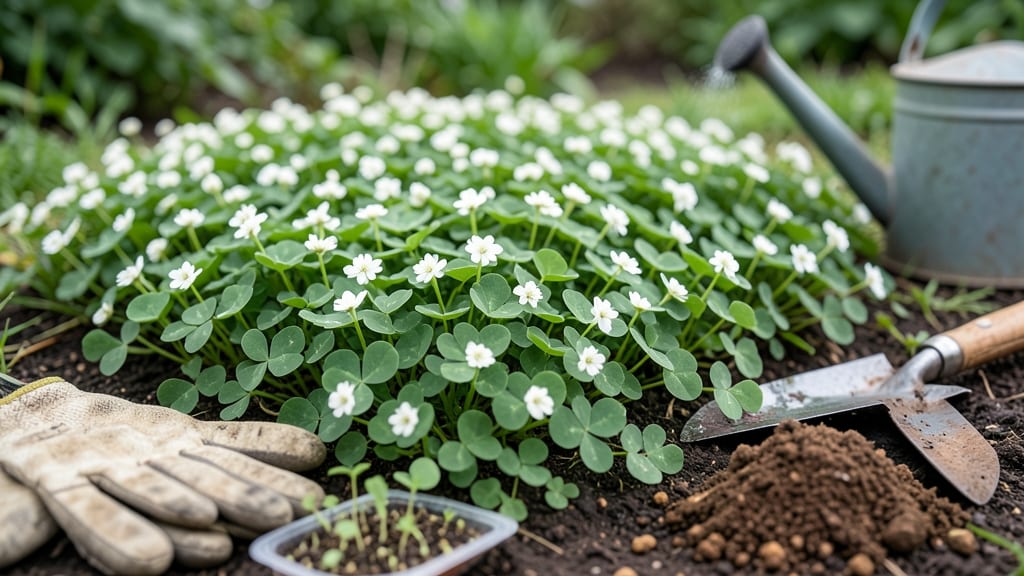
If you're asking "when to plant clover in Kentucky", the answer isn't just about seasons—it's about unlocking fast establishment and thriving growth that transforms your soil and lawn.
Clover 🌱 isn't just a pretty ground cover; it's a nitrogen-fixing powerhouse that works best when planted at the right moment, whether you're in the Bluegrass region or the Appalachian hills.
The key to success lies in Kentucky's unique climate—where last frost dates can vary by weeks between zones 6a-7a. Plant too early, and cold soil slows germination; too late, and summer heat stresses young seedlings.
I'll break down the exact windows for spring and fall planting, plus how to prep your soil for maximum clover success.
Whether you're seeding clover for a pollinator garden, hay production, or soil improvement, timing matters more than you might think. A 30-day difference in planting can mean the difference between a lush, green cover and a patchy, struggling lawn. Let's dive into the science-backed schedule that works for Kentucky's microclimates.
From aerating your lawn to adjusting soil pH, I'll walk you through every step to ensure your clover takes root quickly and stays healthy. Ready to turn your Kentucky landscape into a thriving ecosystem? Let's get started.
Best months to plant clover in Kentucky: spring vs fall breakdown
Kentucky’s USDA zones 6a-7a create a unique window for clover planting, where timing directly impacts establishment success. Unlike many plants, clover thrives in both early spring and early fall, but each season offers distinct advantages—and challenges—based on soil temperature and rainfall patterns.
The Bluegrass region (central Kentucky) typically sees last frost around March 15, while the Appalachian foothills may delay until April 1. This variation means your planting schedule should account for local microclimates, especially if you’re transitioning from fescue lawns to clover for nitrogen enrichment.
Spring planting (March–April) capitalizes on Kentucky’s warmer soil temperatures and consistent spring rains, but requires careful monitoring of frost risks. Meanwhile, fall planting (September–October) avoids summer heat stress and gives clover time to establish roots before winter dormancy.
Here’s how the two seasons compare for Kentucky’s climate, including soil temperature thresholds and success rates:
| Factor | Spring Planting (March–April) | Fall Planting (September–October) |
|---|---|---|
| Soil Temp Threshold | 50°F+ (consistent) | 55°F+ (daytime) |
| Rainfall Pattern | Moderate to high | Steady (avoid drought) |
| Weed Competition | High (spring weeds) | Low (weeds dormant) |
| Establishment Time | 6–8 weeks | 4–6 weeks |
| Success Rate | 85% (with prep) | 90% (optimal conditions) |
| Best For | Fast ground cover | Long-term soil health |
For spring planting, aim to sow clover seeds 2–4 weeks after your last frost date. In Kentucky, this typically lands in late March to early April, when soil temperatures consistently stay above 50°F.
Use a seed spreader for even distribution and lightly rake seeds into the top 1/4 inch of soil to ensure good soil contact.
If you choose fall planting, September is ideal for most of Kentucky, allowing clover to establish roots before first frost (mid-November). Avoid planting too late—October 15 is the cutoff for southern Kentucky, while northern regions should finish by October 1 to prevent winter kill.
One critical factor often overlooked is soil moisture. Kentucky’s spring can bring unpredictable rains, while fall may transition into dry spells. Always water newly planted clover to a depth of 1/2 inch immediately after sowing, then maintain consistent moisture until germination (typically 7–14 days).
For pollinator gardens, consider planting white Dutch clover in early spring to provide early-season nectar, while red clover thrives with fall planting for winter-hardy blooms. Mixing varieties can extend your garden’s nitrogen-fixing benefits year-round.
Pro tip: If you’re overseeding existing lawns, aerate first to break up compacted soil. This step is non-negotiable in Kentucky’s clay-heavy soils, which can smother clover seeds if not prepared properly.
🌱
Best months to plant clover in Kentucky: spring vs fall breakdown
Kentucky’s spring and fall seasons offer two prime windows for planting clover 🌱—but timing matters. In USDA zones 6a-7a, the ideal planting months are March-April for spring and September-October for fall.
These windows align with soil temperatures of 50°F+, which clover needs to germinate quickly. Planting outside these times risks slow growth or seedling stress.
Spring planting in Kentucky works best after the last frost date, typically around March 15, but this varies by region. The Bluegrass area may warm earlier than the Appalachian foothills.
Fall planting, on the other hand, should finish 6-8 weeks before the first frost (usually November 15) to allow roots to establish before winter.
| Factor | Spring Planting (March-April) | Fall Planting (September-October) |
|---|---|---|
| Soil Temperature | 50°F+ (warms quickly) | 50°F+ (cools gradually) |
| Germination Speed | Fast (3-7 days) | Moderate (7-14 days) |
| Weed Competition | High (spring weeds emerge) | Low (weeds dormant) |
| Establishment Time | 4-6 weeks | 6-8 weeks |
| Best For | Quick cover, pollinator gardens | Soil improvement, winter hardiness |
For spring plantings, focus on white Dutch clover or red clover, which thrive in Kentucky’s warm days. These varieties establish quickly, suppressing weeds and fixing nitrogen by late May.
In contrast, fall plantings favor microclover or alsike clover, which tolerate cooler soil and establish roots before winter dormancy.
Regional microclimates play a role too. In western Kentucky, where summers are hotter, spring planting is riskier due to drought. Here, fall planting often yields better results.
Meanwhile, eastern Kentucky’s cooler climate allows for earlier spring plantings with less heat stress. Always check your local USDA frost map for precise dates.
One common mistake is planting clover in late spring (May-June) or late fall (November). Summer heat stresses seedlings, while late fall plantings may not establish roots before frost. To avoid this, mark your calendar for early March or early September and prepare your soil in advance.
Ready to plant? Start by testing your soil’s pH (6.0-7.0) and aerating compacted areas. With the right timing, your Kentucky clover will establish in 4-6 weeks, transforming your lawn or garden into a nitrogen-rich haven. 🌿