
Plants
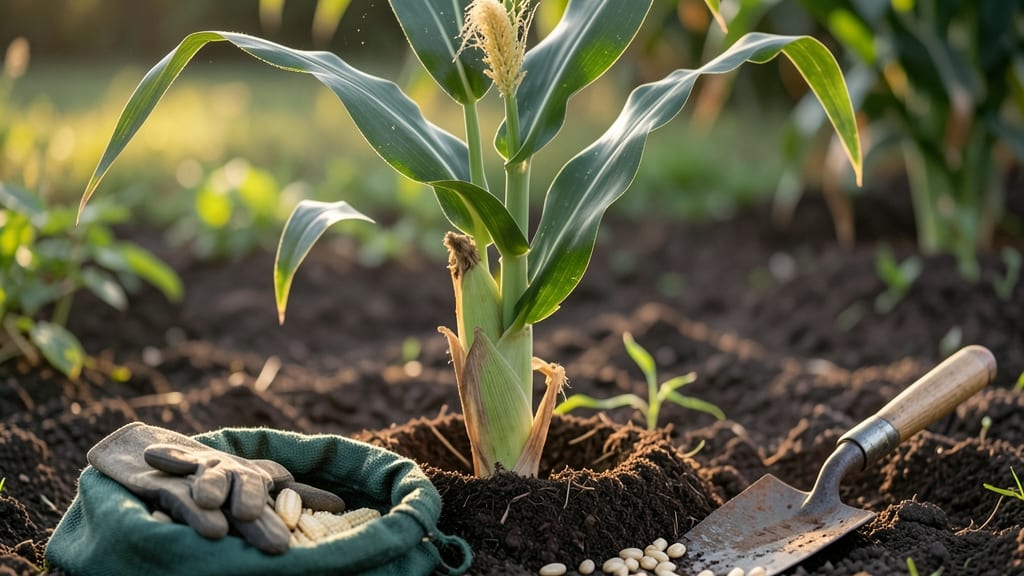
Timing your corn planting in Georgia wrong can mean the difference between sweet, juicy ears and tough, starchy disappointment. With 7b-8b zones and unpredictable spring weather, knowing exactly when to plant 🌽 is the key to avoiding bolting—when your corn flowers too early and leaves you with inedible kernels.
Most gardeners in Georgia rush to plant their 🌽 as soon as the soil feels warm, but that’s a recipe for failure.
The ideal window runs from mid-April to early June, when soil temperatures hit at least 60°F and the last frost date has passed by at least 2 weeks. This timing ensures your plants grow strong and steady, not stressed by cold snaps.
What you’ll discover here is how to read Georgia’s microclimates—whether you’re in the Piedmont’s rolling hills or the Coastal Plain’s humid lowlands—and adjust your planting schedule accordingly.
We’ll cover soil prep, variety selection, and even tricks to extend your growing season if you’re eager to harvest those golden ears by late summer.
Ready to grow 🌽 that’s so sweet it’ll make your neighbors jealous? Let’s dive into the exact dates, signs to watch for, and pro tips that’ll turn your Georgia garden into corn country.
Georgia’s corn planting calendar: exact dates to avoid bolting
Georgia’s long, hot summers and variable frost dates make timing critical for corn success. Plant too early, and late frosts will kill tender seedlings. Plant too late, and bolting (premature flowering) turns sweet kernels into tough, starchy messes. The key? Soil temperature and frost-free dates—not just calendar months.
Most of Georgia falls in USDA Zones 7b-8b, but microclimates vary wildly. The Coastal Plain (south) enjoys earlier springs, while the Piedmont (central) and Blue Ridge Mountains (north) face later frost risks.
For zero-bolt success, aim to plant when your soil hits 60°F and stays there—typically 2-3 weeks after your last frost date.
Here’s your region-by-region planting window to avoid bolting and maximize sweetness:
If you’re in North Georgia, don’t rush—wait until after April 15 to avoid frost. Central Georgia gardeners have the sweet spot: mid-April to mid-May gives you time for 2-3 harvests before summer heat stresses the plants.
Meanwhile, South Georgia can stretch planting into early June for a late-summer harvest, but choose heat-tolerant varieties like ‘Silver Queen’ or ‘Peaches and Cream’.
Georgia’s summer heat (often hitting 90°F+ by June) can trigger bolting if planted too late. For late-season success, opt for short-season varieties (60-70 days to maturity) like ‘Early Sunglow’ or ‘Bodacious’. These mature before the dog days of summer turn your sweet corn into dry, starchy ears.
For urban gardeners or those with limited space, consider succession planting. Sow small batches every 2 weeks from April to June to stagger harvests. Just ensure each planting hits the 60°F soil temp threshold—cold soil = slow germination = wasted seeds.
One critical mistake Georgia gardeners make? Planting by the moon phases or calendar instead of soil conditions. Corn needs warm soil, not just warm air.
Test your soil with a thermometer (dig 2 inches deep) before planting. If it’s below 60°F, wait—even if the air temperature feels spring-like.
Need a backup plan for late frosts? Use row covers or black plastic mulch to warm soil faster. Lay down mulch 1-2 weeks before planting to raise soil temps by 5-10°F. This trick lets you plant 1-2 weeks earlier in North Georgia without frost risk.
Finally, track your local frost dates using the National Weather Service or Georgia Climate Project. While the average last frost for Atlanta is March 15, microclimates (like valleys or urban heat islands) can shift this by 2+ weeks.
When in doubt, plant later—you can always succession plant, but bolted corn is a lost cause.
Georgia’s corn planting calendar: exact dates to avoid bolting
Georgia’s 7b-8b climate zones create a tight window for planting 🌽—too early and frost zaps your seedlings, too late and summer heat triggers bolting.
The ideal planting window runs from mid-April to early June, but your exact dates depend on whether you’re in North Georgia’s cooler Piedmont or South Georgia’s warmer Coastal Plain.
For North Georgia (Athens, Dahlonega), aim for April 15-30 when soil temperatures hit 60°F consistently. In Central Georgia (Macon, Columbus), you’ve got flexibility until May 15, while South Georgia (Savannah, Brunswick) can push planting to early June thanks to later frosts and longer summers.
Here’s the visual breakdown of Georgia’s corn planting calendar, including soil temperature thresholds and frost-free dates to guide your timing:
| Region | Last Frost Date | Optimal Planting Window | Soil Temp Threshold | Key Risk |
|---|---|---|---|---|
| North Georgia (Piedmont) | March 15-April 1 | April 15-May 1 | 60°F+ consistently | Late frosts |
| Central Georgia | March 20-April 5 | April 15-May 15 | 58°F+ consistently | Heat stress |
| South Georgia (Coastal Plain) | March 25-April 10 | April 30-June 1 | 55°F+ consistently | Bolting |
If you’re planting in May or June, choose short-season varieties (60-75 days to maturity) to avoid summer’s oppressive heat. For example, ‘Silver Queen’ or ‘Peaches and Cream’ thrive when planted by May 15 in Central Georgia, while ‘Ambrosia’ handles June plantings in the Coastal Plain.
Watch for silking (when tassels appear) to time your harvest. In Georgia, this typically happens 60-75 days after planting, so adjust your schedule to ensure ears mature before the first frost (early November).
For example, a May 1 planting in North Georgia will likely silk in late June, giving you a July-August harvest window.
For urban gardeners or those with limited space, consider succession planting: Sow a second crop 2 weeks after your first to stagger harvests. Just be sure to space your plantings 3-4 weeks apart to avoid overlapping harvest times.
Remember: Bolting (premature flowering) is your biggest enemy in Georgia’s heat. Plant early enough to avoid summer’s 90°F+ days, but not so early that frost catches your seedlings. With these dates, you’ll grow 🌽 that’s sweet, plump, and ready for the grill by late summer.