
Plants
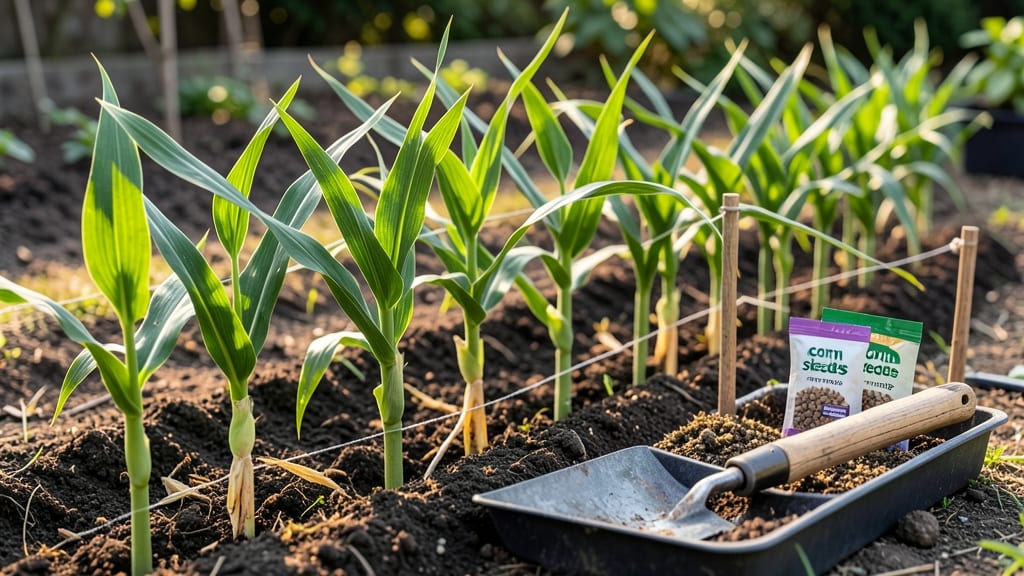
Timing your 🌽 corn planting in Western Washington wrong can mean the difference between golden ears and a sad, wilted disappointment—especially when coastal fog and inland heat play by their own rules.
The last frost date might be April 15 on average, but that’s just the starting line for a race against unpredictable weather.
If you’re near the Puget Sound, cooler maritime air often delays planting until late April or early May, while inland areas can start as early as mid-April once soil hits 50°F. Getting this right isn’t just about dates—it’s about reading your microclimate like a pro.
I’ve grown 🌽 corn here for years, and the key is flexibility. Whether you’re planting sweet corn varieties that need 75 days to mature or shorter-season types, knowing when to put seeds in the ground (and when to adjust) makes all the difference.
Let’s break down the best windows for your specific corner of Western Washington.
From tracking soil temps to choosing the right varieties, I’ll show you exactly how to beat the odds and grow corn that’s ready to harvest by July or August. No more guessing—just a foolproof plan tailored to your backyard’s unique conditions.
Western Washington corn planting dates by microclimate (coastal vs inland)
Western Washington’s diverse microclimates create a tricky puzzle for corn growers. Coastal areas like Seattle and Olympia stay cooler and wetter longer, while inland spots near Yakima or Wenatchee warm up faster. These differences mean your planting window could shift by 3-4 weeks depending on location.
For successful germination, corn seeds need soil temperatures of at least 50°F (10°C). Coastal regions often hit this mark in late May, while inland areas can start planting as early as mid-April.
This timing difference is why I always check local frost-free dates from the National Weather Service or Washington State University Extension.
Here’s the key difference: Coastal areas should wait until after May 10 to plant, while inland gardeners can start as early as April 20. The last frost date isn’t the only factor—soil warmth matters more for corn than air temperature.
| Factor | Coastal (Seattle/Olympia) | Inland (Yakima/Wenatchee) | Key Notes |
|---|---|---|---|
| Last Frost Date | May 10–15 | April 15–20 | Coastal areas stay 2-3 weeks later due to ocean influence. |
| Soil Warmth Threshold | 50°F (late May) | 50°F (mid-April) | Use a soil thermometer—corn won’t germinate below 50°F. |
| Ideal Planting Window | May 15–June 1 | April 20–May 5 | Plant 2 weeks after last frost for safety. |
| Harvest Window | July 15–August 15 | June 20–July 20 | Inland corn ripens 4-6 weeks earlier than coastal. |
| Biggest Risk | Late frosts + fog delays | Heat spikes + drought | Coastal: Frost cloth ready by June 1. Inland: Mulch heavily to retain moisture. |
| Backup Plan | June 10–15 (succession planting) | May 10–15 (if early frost) | Always have 2 planting dates spaced 2 weeks apart. |
If you’re in Western Washington’s Puget Sound region, I recommend planting Golden Bantam or Early Sunglow varieties—they mature in 75-85 days, fitting perfectly into the cooler coastal season. For inland areas, Ambrosia or Silver Queen can handle the warmer, drier conditions.
Pro tip: Test your soil temperature for 3 consecutive days before planting. If it dips below 50°F at night, wait another week. Corn seeds are fussy about warmth—they won’t sprout until the soil stays consistently above that threshold.
For gardeners in transition zones (like Everett or Bellingham), split your planting: 50% in early May and 50% in late May. This insurance strategy covers both early frosts and late-season heat waves. Just remember—corn needs 60-90 days of warm weather to produce ears, so don’t plant too late!
One common mistake I see is planting based on air temperature alone. Corn cares more about soil temperature—even if the air is warm, cold soil will stall germination. That’s why I always dig down 2 inches with a thermometer before planting.
🌽 For extra protection in coastal areas, use row covers or black plastic mulch to warm the soil faster. Inland gardeners should focus on shade cloth during heatwaves to prevent ear rot.
Western Washington corn planting dates by microclimate (coastal vs inland)
Western Washington’s maritime climate creates dramatic differences between coastal and inland growing zones. Coastal areas like Olympia and Bellingham often experience late frosts and cooler soils, while inland spots like Yakima or Wenatchee warm up faster.
These microclimates can shift your planting window by 3-4 weeks—so knowing your zone is critical for success.
For coastal Western Washington, aim to plant corn after May 1, when soil temperatures consistently stay above 50°F. Inland areas can start as early as late April, but always wait for 2 weeks after the last frost (typically April 15 in most inland zones).
Using a soil thermometer is your best tool—corn seeds won’t germinate well below 50°F.
If you’re in a transition zone (like Seattle or Everetthalf your crop in early May and the other half 2 weeks later. This succession planting strategy hedges against unpredictable coastal weather.
For inland gardeners, consider one early planting (late April) and one late planting (mid-May) to stretch your harvest window.
Always check your local USDA Plant Hardiness Zone (Western Washington ranges from 8a–9a) and monitor frost forecasts via the National Weather Service. Coastal areas can experience late-spring frosts as late as May 20, while inland zones rarely see frost after April 30.
Planting too early risks frost damage to young seedlings, while waiting too long may result in overcrowded plants or shorter harvest times.
For maximum yield, aim to harvest corn before first frost (typically mid-October in most areas). This means choosing short-season varieties (like 'Early Sunglow', which matures in 70 days) or planning for succession plantings every 2 weeks to extend your harvest.
Inland gardeners can push the envelope with longer-season varieties (like 'Golden Bantam' at 90 days), but coastal gardeners should stick to under 80 days to avoid frost risks.
Remember: Corn is wind-pollinated, so plant in blocks (not rows) to ensure good pollination. A 4×4 ft block is ideal for home gardens, and spacing rows 2–3 feet apart gives plants room to thrive.
With the right timing and variety, you’ll be enjoying homegrown sweet corn by July or August—just in time for summer grilling!