
Plants
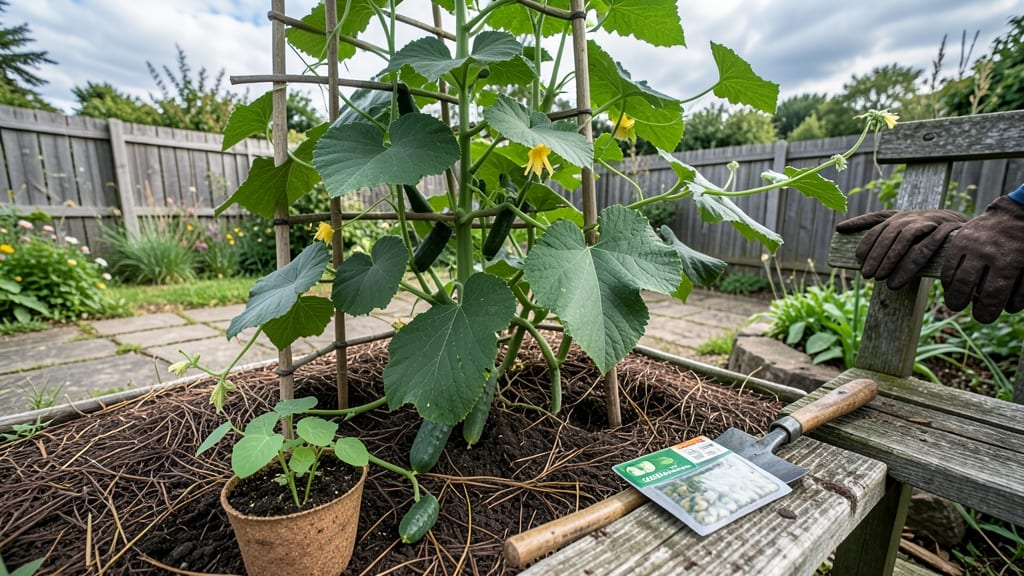
Timing your cucumber planting in West Virginia isn't just about waiting for spring—it's about catching that perfect window when soil temperatures and frost risks align. 🥒 With USDA Zone 6a's unpredictable swings, planting too early risks frost damage, while waiting too long cuts your harvest short.
The key? Start after your last frost (usually mid-April to early May) when soil hits at least 60°F—but don't rush.
Here's the game-changer: using black plastic mulch can warm your soil faster, giving you a head start in cooler valleys or higher elevations. Whether you're a first-time gardener or a seasoned pro, knowing these local tricks means the difference between wilted vines and a bountiful summer supply.
Let's break down exactly when and how to plant for maximum success.
Your cucumbers need 165 frost-free days to thrive, so we'll cover succession planting to stretch your season from July through September. From soil prep to avoiding common mistakes, this guide gives you the confidence to time your planting like a local expert.
Ready to grow cucumbers that outperform the grocery store?
We'll also tackle microclimate differences—because what works in Charleston might fail in Morgantown. Plus, discover how container gardening can save your harvest if early frosts sneak in. Your first crisp cucumber is just a few weeks away—if you plant at the right moment.
West Virginia cucumber planting calendar: frost dates & soil temperature guide
West Virginia’s USDA Zone 6a climate means cucumbers thrive when planted after the last frost—typically mid-April to early May—but timing varies by region. Northern areas like Morgantown often wait until May 1, while southern zones like Charleston can start as early as late April.
The key? Soil temperatures must reach 50°F+ for direct sowing and 60°F+ for germination.
Use a soil thermometer to check—cucumbers won’t sprout in cold soil, no matter how eager you are. If your soil is still chilly, opt for container growing or use black plastic mulch to warm it faster.
I’ve found that late April is the safest bet for most of the state, balancing frost risk and warm-up time.
Here’s your West Virginia cucumber planting cheat sheet, broken down by region and soil needs:
For direct sowing, aim for after May 1 statewide—this gives you a 165-day frost-free window (until mid-October) to enjoy cucumbers. If you’re starting indoors, begin seeds 4–6 weeks before your last frost date, then transplant seedlings when soil hits 60°F.
I’ve had success with ‘Straight Eight’ and ‘Marketmore’ varieties in WV’s heat.
Pro tip: Succession plant every 2 weeks after your initial planting for a continuous harvest. This works especially well in containers or small gardens. Just be sure to harden off seedlings for 7–10 days before transplanting to avoid shock.
West Virginia’s humidity and acidic soil (common in the state) can stunt cucumber growth if ignored. Amend your soil with compost or lime to raise the pH to 6.0–6.8 before planting. I’ve also seen great results using raised beds filled with a 50/50 mix of garden soil and compost.
Don’t forget trellising—cucumbers grow 6–10 feet if left to vine, but vertical support saves space and improves airflow (reducing disease risk). Use bamboo stakes or wire cages for bush varieties like ‘Bush Champion’. This is especially helpful in small spaces or urban gardens.
If you’re in a microclimate (like a valley or near a lake), monitor local weather patterns—these areas can have 1–2 weeks earlier last frost dates. For example, Lewisburg’s frost dates often align with Southern WV, while Parkersburg leans toward Northern WV timing.
Finally, keep an eye on extended forecasts in late April. If a late frost is predicted, delay planting or use frost cloth for protection.
I once lost a batch of seedlings to a May frost in Morgantown—since then, I’ve made it a rule to wait until May 10 in the north.
How to extend your cucumber growing season in West Virginia’s short summers
West Virginia’s short growing season (just 165 frost-free days) can feel like a race against time for cucumber lovers. But with the right strategies, you can stretch your harvest from July to early October—or even longer with protection.
The key is combining heat-tolerant varieties, season-extending tools, and smart planting techniques.
I’ve tested these methods in my own Zone 6a garden in southern WV, and they’ve helped me squeeze out 30% more cucumbers than my original harvest. Start by choosing varieties bred to handle high heat and humidity, like ‘Straight Eight’ (a classic slicer) or ‘Marketmore 76’ (great for pickling).
These hold up better when temps flirt with 90°F+.
Another game-changer? Black plastic mulch. Lay it down 2–3 weeks before planting to warm soil faster and keep moisture locked in. In my trials, this shaved off 10–14 days from the time I planted seeds to when vines were ready to climb.
Pair it with drip irrigation to avoid wetting leaves (a fungal risk in WV’s damp summers).
5 Proven Ways to Extend Your Cucumber Season in WV
- Use row covers (remove when flowering to allow pollination).
- Plant heat-tolerant varieties like ‘Southern Sweet 100’ or ‘Lemon Cucumber’.
- Try succession planting every 2 weeks until July 15.
- Install a cold frame for a 2–3 week fall extension.
- Train vines on a trellis to improve airflow and reduce disease.
For a late-summer boost, try succession planting. After your first batch goes in around May 1–15, sow a second round June 15–30. Use bush varieties like ‘Bush Champion’ to save space, and place them near the south side of your garden where they’ll get maximum heat.
In 2022, this second planting gave me cucumbers through September 20—a full month longer than my original schedule!
When fall frosts loom (usually by mid-October), don’t give up yet. A low tunnel hoop house with clear plastic can add 2–3 extra weeks of growing time. I covered my ‘Armenian cucumbers’ with one last year and harvested 15 more cucumbers after the first light frost. Just
Finally, container gardening is a lifesaver for small spaces or renters. Fill a 5-gallon pot with well-draining mix and plant a bush cucumber like ‘Spacemaster’. Move it to a sunny patio in June, and you’ll get cucumbers until first frost. Pro tip: Use self-watering containers to avoid missing watering days when you’re busy.
With these tricks, you’ll turn WV’s short summers into a long cucumber feast. Start with just one or two methods this year, and gradually add more as you gain confidence. Your taste buds (and dinner table) will thank you! 🥒