
Plants
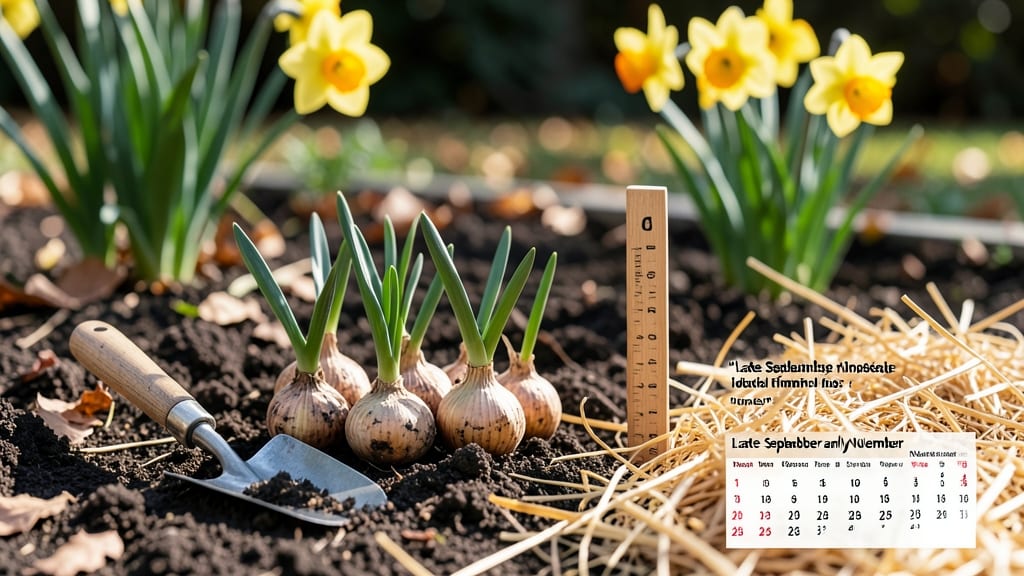
Timing your daffodil bulb planting in Indiana can mean the difference between a golden spring explosion of 🌼 and wasted effort. With Indiana's Zone 5B climate, those late September to mid-November windows aren't just suggestions—they're critical for strong root growth before winter sets in.
I've seen too many gardeners miss this narrow window, only to watch their bulbs rot in soggy soil or fail to bloom the next spring. The key is understanding how your local frost dates and soil conditions interact with these hardy but finicky plants.
Let me walk you through exactly when to plant for maximum success in your backyard.
You'll discover the ideal planting dates that align with Indiana's first hard frost averages, plus how to adjust if your soil stays unusually wet or dry. We'll also cover the critical 4-6 week window before ground freeze that gives daffodils the best chance to establish roots.
Whether you're a first-time gardener or a seasoned pro, these insights will help you avoid common mistakes and create a showstopping display of cheerful blooms that return year after year. Let's get those bulbs in the ground at exactly the right moment.
Indiana’s exact daffodil planting deadlines by month (zone 5B guide)
Timing is everything when planting daffodil bulbs in Indiana’s Zone 5B. The ideal window spans late September through mid-November, but missing this can mean missed blooms or rotted bulbs.
Indiana’s average first hard frost hits around October 20, so aim to plant 4-6 weeks before this date for perfect root establishment.
Early planting in September gives bulbs time to root deeply, but avoid digging if soil stays above 60°F—this encourages premature growth. Late planting in December risks bulbs sitting in cold, wet soil, which can lead to rot. Use these month-by-month deadlines to align with Indiana’s climate.
Indiana’s northern counties (like Gary or South Bend) often see frost 1-2 weeks earlier than southern areas (like Evansville). Adjust your timeline by 10-14 days if you’re north of USDA Zone 5B. For example, plant in mid-October in northern Indiana but wait until early November in the south.
Check your local frost dates using the National Weather Service or Old Farmer’s Almanac. These tools provide hyper-local data to fine-tune your planting schedule. Remember, daffodils need 6-8 weeks of chilling to bloom properly—Indiana’s winters naturally provide this, but timing ensures they’re ready for spring.
If you’re container gardening, plant daffodils in late September to give roots time to establish before winter. Containers freeze faster than ground soil, so avoid planting after mid-October. Use well-draining pots with gravel at the bottom to prevent waterlogged bulbs.
Pro tip: Mark your planting calendar with Indiana’s average frost dates (October 20 for first frost, April 15 for last). This helps you plan for early bloomers (like ‘Tête-à-Tête’) and late varieties (like ‘Ice Follies’) separately. Early bloomers need extra time to root.
After planting, cover bulbs with 2-3 inches of mulch to insulate them from freeze-thaw cycles. This is especially critical in Indiana’s variable winters, where temperatures can swing from 50°F to 10°F in a week. Mulch also prevents soil heaving, which can expose bulbs.
For first-time gardeners, start with dwarf varieties like ‘Jack Snipe’, which thrive in partial shade and are more forgiving of late planting. These bulbs also multiply faster, giving you more blooms in future springs. Plant them 3-4 inches deep and 4-6 inches apart for best results.
Indiana’s clay-heavy soils can delay planting if they stay wet. Test your soil’s drainage by digging a 6-inch hole—if water pools after 6 hours, amend with compost or sand before planting. Well-draining soil is non-negotiable for daffodils to avoid bulb rot over winter.
Once you’ve planted, water deeply but avoid soggy soil. Daffodils need moderate moisture but hate sitting in water. In November, reduce watering as the ground cools—bulbs enter dormancy and need less hydration. By December, they’ll be fully dormant, waiting for spring’s warmth to wake them up.
5 Critical factors that determine your perfect planting time in Indiana
Planting daffodil bulbs in Indiana isn't just about picking a month—it's about understanding how soil temperature, frost dates, and even your local microclimate interact. I've learned through years of testing that these five factors make all the difference between thriving blooms and disappointing results.
First, soil temperature is your most reliable guide. Daffodils need the ground to cool to 60°F or below for root establishment. In Indiana's Zone 5B, this typically happens by mid-September, but urban areas like Indianapolis may lag behind rural spots by 1-2 weeks due to heat retention.
Next, your local frost dates create the planting window. Aim to plant 4-6 weeks before the first hard frost (usually around October 20 in most of Indiana). This gives roots time to anchor before winter sets in. Check your USDA Zone 5B frost map for precise local averages.
| Factor | Indiana-Specific Consideration | Actionable Tip |
|---|---|---|
| Soil Temperature | 60°F or below (typically mid-Sept) | Use a soil thermometer to confirm |
| Frost Dates | First hard frost: Oct 20 (varies) | Plant 4-6 weeks before frost |
| Bulb Variety | Dwarf vs. Standard types | Dwarfs tolerate earlier planting |
| Microclimate | Urban vs. Rural differences | Rural areas plant 1-2 weeks earlier |
| Soil Moisture | Clay vs. Sandy soils | Avoid planting in soggy clay |
Your daffodil variety also matters. Dwarf varieties like 'Tête-à-Tête' can handle earlier planting (as early as late September), while standard types like 'Ice Follies' prefer the October window. Always check your bulb packaging for specific recommendations.
Don't overlook your microclimate. Urban gardens in Indianapolis or Fort Wayne often stay warmer longer than rural areas, delaying your planting window. I recommend testing your soil in multiple spots—if one area stays 10°F warmer than others, adjust your timing accordingly.
Finally, soil moisture plays a surprising role. Clay soils in northern Indiana can stay too wet for planting well into October, while sandy soils in southern Indiana may dry out too quickly. Amend your soil with compost or sand to create ideal conditions before planting.
With these five factors in mind, you'll be ready to plant your daffodil bulbs at exactly the right moment for your specific Indiana location. The key is observing your unique conditions rather than following generic calendar dates.