
Plants
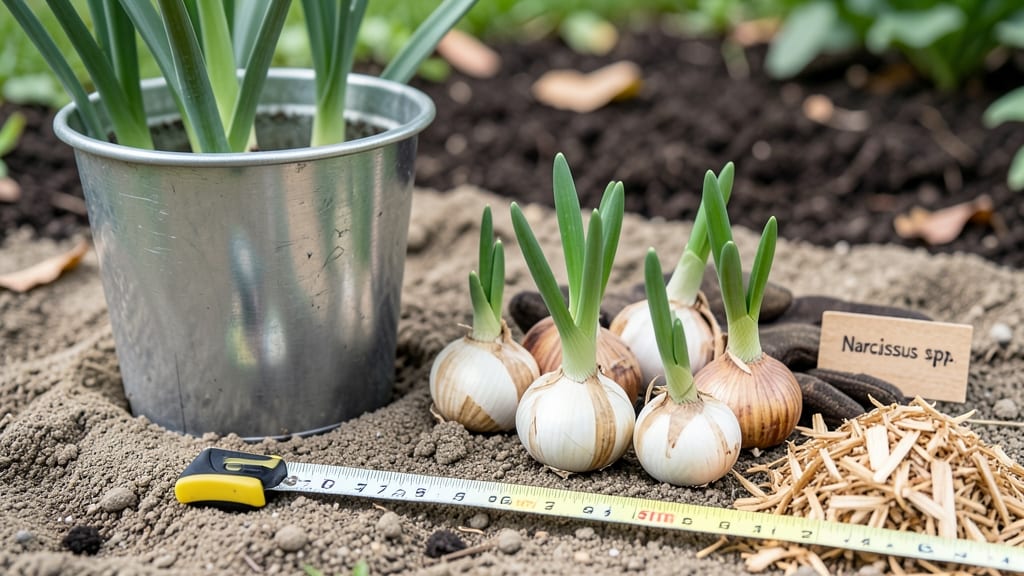
Planting daffodil bulbs in Oklahoma at the wrong time can mean the difference between a stunning spring display and wasted effort. The 6-week window between mid-October and early December is your golden opportunity to get it right—before the ground freezes solid.
Why does timing matter so much? Oklahoma’s Zone 6b-7a climate brings unpredictable freezes, and daffodil bulbs need time to establish roots before winter sets in. Miss this window, and you risk bulbs rotting in soggy soil or drying out in frost.
I’ve tested the best strategies for Oklahoma gardeners, from soil prep tricks to variety choices that survive our harsh winters. Whether you’re in Tulsa or Oklahoma City, these insights will help you plant with confidence—so you can enjoy 🌼 blooms that outlast even the coldest spells.
Let’s dive into the exact steps to plant your daffodils at the perfect moment—so you’re not guessing when the ground is just right. You’ll learn how to read Oklahoma’s microclimates and avoid the three biggest mistakes that kill bulbs before spring.
Oklahoma’s fall planting timeline: exact weeks to plant daffodil bulbs
Oklahoma’s USDA Zones 6b-7a create a unique challenge for daffodil bulbs—plant too early, and they’ll rot in warm soil; too late, and frost locks them out. The 6-week window between mid-October and early December is your golden opportunity to align with Oklahoma’s soil temperature drops and first frost dates.
Most of Oklahoma hits its first hard frost around November 15, so aim to plant bulbs 4-6 weeks before that.
Timing varies by region: Northern Oklahoma (Zone 6b) like Enid or Woodward can plant as late as November 15, while Southern Oklahoma (Zone 7a) like Oklahoma City or Tulsa should finish by mid-November.
Check your local National Weather Service frost predictions—Oklahoma’s microclimates mean a 5°F difference between rural and urban areas.
Here’s the critical rule: Plant when soil temps hit 50-60°F and stay there. Use a soil thermometer (just $10) to test—Oklahoma’s clay soil holds heat longer than sandy areas. If your soil is still above 60°F in November, wait a week or two.
| Oklahoma Region | USDA Zone | Planting Window | Soil Temp Goal | Key Tip |
|---|---|---|---|---|
| Northern OK (Enid, Woodward) | 6b | Late Oct - Nov 15 | 50-55°F | Wait for first frost—plant after Nov 1 |
| Central OK (Oklahoma City) | 7a | Mid-Oct - Nov 10 | 55-60°F | Avoid clay soil—amend with compost |
| Southern OK (Tulsa, Lawton) | 7a | Late Sept - Nov 1 | 60°F max | Watch for early warm spells—delay if soil >60°F |
| Western OK (Amarillo, Altus) | 6b-7a | Oct 15 - Nov 20 | 45-50°F | Dry climate—water deeply after planting |
Pro Oklahoma gardeners swear by planting in early November—this gives bulbs time to root before winter while avoiding the late-October heat spikes that can wake them up too soon. If you’re in Zone 7a (Tulsa, OKC), don’t wait past November 1—soil warms faster there.
For container gardening, shift your timeline 2 weeks earlier. Pots heat up faster, and roots can’t regulate temperature like in-ground bulbs. Use black plastic pots to absorb heat if you’re pushing the late-November limit.
Missed the window? Don’t panic. Early December plantings can still work if your soil hasn’t frozen solid. Test with your finger—if you can push 3 inches deep without resistance, you’re good. Just mulch heavily (4-6 inches of straw) to insulate bulbs.
Remember: Daffodils planted in Oklahoma’s fall need 6-8 weeks of chill hours (below 40°F) to bloom. Most of Oklahoma gets this naturally, but urban heat islands (like downtown OKC) may need extra mulch to mimic rural chill.
Mark your calendar for April 15—that’s your last frost date in most of Oklahoma. By then, your daffodil bulbs should be pushing through soil, ready to outshine even Oklahoma’s toughest winters. 🌼
How to prepare Oklahoma soil for daffodil bulbs: avoid these 3 costly mistakes
Oklahoma’s soil can be a daffodil’s worst enemy—especially if it’s heavy clay or alkaline. Most gardeners here make the same mistakes: skipping soil tests, ignoring drainage, or over-amending with compost. I’ve seen bulbs rot in compacted soil or fail to bloom because of poor prep.
The good news? With a few targeted fixes, you can turn even the toughest Oklahoma dirt into a daffodil paradise.
First, test your soil’s pH—daffodils prefer 6.0 to 7.0. Oklahoma’s native soils often skew alkaline (pH 7.5+), which stunts root growth. Grab a soil test kit from your local extension office (like OSU’s) for just $15.
If your pH is too high, mix in sulfur or peat moss to lower it gradually. Pro tip: Work these amendments into the soil 4-6 weeks before planting to let them integrate.
Next, tackle drainage, the #1 killer of daffodil bulbs in Oklahoma. Clay soils hold water like a sponge, and soggy bulbs rot in weeks. If your garden sits in a low spot or has poor drainage, create a raised bed or mound the soil.
Dig a hole, add a 2-inch layer of gravel at the bottom, then plant your bulbs on top of the gravel. This simple trick prevents water from pooling around the roots—critical after Oklahoma’s heavy rains.
⚠️ 3 Mistakes That Wipe Out Daffodil Bulbs in Oklahoma
- Ignoring soil tests: Planting without knowing your pH or drainage = bulbs that fail to thrive.
- Over-fertilizing at planting: Too much nitrogen now = soft, rotting bulbs before winter.
- Planting in cold, hard soil: Bulbs need 40-50°F soil to root; Oklahoma’s early freezes can lock soil too fast.
🌱 Fix it: Wait until soil temps hit 50°F (use a soil thermometer), amend clay with compost, and fertilize lightly in early spring instead.
Don’t skip organic matter—Oklahoma’s soils are often lacking. Work in 3-4 inches of compost or well-rotted manure before planting. This improves texture, holds moisture without drowning roots, and feeds beneficial microbes.
For clay-heavy spots, mix in coarse sand or perlite to break up compaction. Think of it as giving your bulbs a fluffy, well-draining bed to settle into before winter.
Finally, mulch after planting to insulate bulbs from Oklahoma’s temperature swings. Use 2-3 inches of straw or shredded leaves—never fresh mulch, which can mat down and trap moisture.
This protects bulbs from freeze-thaw cycles and keeps soil temps stable. In early spring, remove the mulch to let bulbs wake up naturally as temps rise.
With these prep steps, your daffodil bulbs will have the perfect foundation to survive Oklahoma’s winters and reward you with bold, early spring blooms. The key? Test, amend, and mulch—skip any of these, and you’re rolling the dice on next year’s flowers. 🌼