
Plants
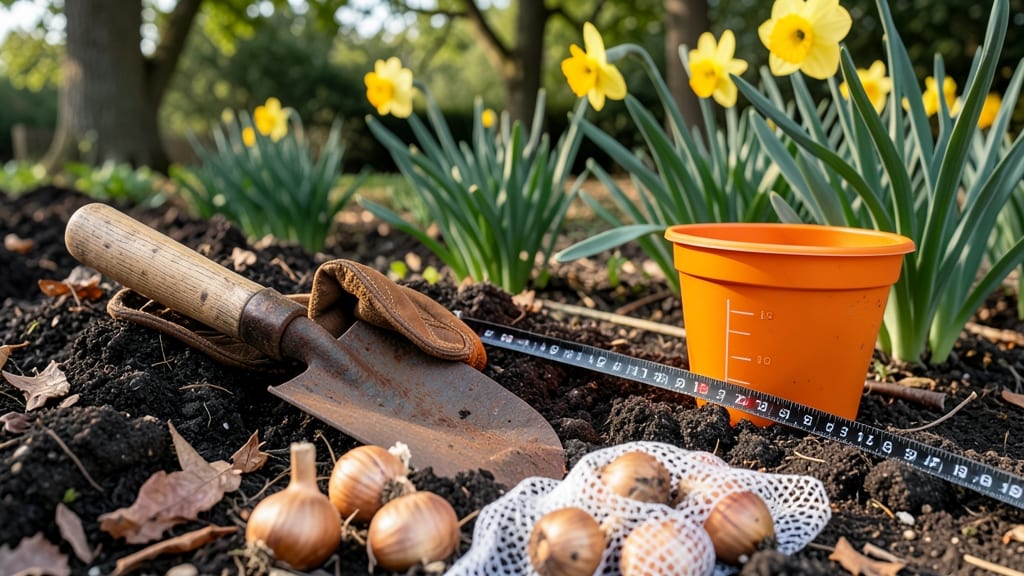
Planting daffodils in Zone 9b might seem tricky, but timing them right is the key to avoiding heat stress and ensuring those cheerful 🌼 blooms every spring.
Unlike cooler climates, Zone 9b's warm winters mean you can't just follow the usual fall planting advice—your bulbs need special care to survive the summer heat.
Most gardeners in Phoenix or the Southern California desert plant their daffodils between October and December, giving the bulbs time to establish roots before summer hits. This window lets them stay dormant during the hottest months while still blooming beautifully in early spring.
But don't wait too late—planting after December risks exposing the bulbs to summer heat stress.
What makes Zone 9b different? The lack of frost means your daffodils won't get that natural dormancy trigger, so proper soil prep and watering become even more critical. I'll show you exactly how to create the perfect conditions—from soil drainage to mulching techniques—that keep your bulbs happy year-round.
Ready to grow daffodils that thrive in your warm climate? Let's dive into the best months, soil secrets, and heat-smart varieties that will make your garden pop with color every spring. You'll be surprised how easy it can be once you know the tricks!

Best planting months for daffodils in Zone 9b to avoid heat stress
Daffodils thrive in Zone 9b but need precise timing to avoid summer heat stress. Unlike cooler climates, planting too early or late can stunt growth or prevent blooming. The ideal window is October through December, when soil temperatures drop below 75°F—critical for root establishment before winter dormancy.
Zone 9b’s mild winters and hot summers create unique challenges. Bulbs planted in September may sprout too early, risking heat damage, while waiting until January delays flowering. Aim for 6-8 weeks before your first frost (even if rare in desert areas) to sync with natural dormancy cycles.
Soil temperature is your best guide. Use a soil thermometer to confirm readings below 70°F at 6-inch depth. In Phoenix or coastal Southern California, this typically aligns with late October to November. Cooler microclimates (like higher elevations) may shift this window slightly earlier.
Daffodils need 6-8 weeks of cool soil to form roots before winter. Planting in December still works but may result in smaller blooms the following spring. Prioritize October-November for optimal growth and vibrant flowers.
🌼 Pro Tip: In Zone 9b, consider pre-cooling bulbs for 4-6 weeks in a cool, dark place (like a fridge) before planting if summer heat lingers.
| Month | Soil Temp Goal (°F) | Planting Window | Risk Level |
|---|---|---|---|
| September | >75°F | Early (high risk) | ⚠️ Heat stress |
| October | 65-75°F | Ideal (low risk) | ✅ Optimal |
| November | 55-65°F | Ideal (low risk) | ✅ Optimal |
| December | 45-55°F | Late (moderate risk) | ⚠️ Smaller blooms |
| January | <45°F | Too late | ❌ Poor growth |
In Zone 9b, bulb dormancy is key. Daffodils need a cooling period to break dormancy and flower. Planting in October-November ensures they experience natural winter chill, even in mild climates. Avoid spring planting—daffodils won’t bloom if planted after January.
For container gardening in Zone 9b, plant bulbs in late fall (November-December) and move pots to a shaded, cool location during summer. This mimics the cool soil conditions they need to thrive. Use well-draining potting mix to prevent rot.
💧 Watering Tip: After planting, water deeply to settle soil around bulbs. In Zone 9b’s dry climate, maintain consistent moisture until roots establish (about 4-6 weeks). Then reduce watering to prevent over-saturation.
If you miss the October-November window, don’t panic! Plant in December for smaller but still viable blooms. Just mulch heavily to insulate bulbs from winter temperature swings. For next year’s success, mark your calendar for early fall planting.
🌱 Zone 9b-Specific Advice: In areas with occasional light frosts (like high desert regions), plant 2-3 weeks earlier to account for cooler nights. Use a lightweight mulch (like straw) to protect newly planted bulbs.
Best planting months for daffodils in Zone 9b to avoid heat stress
In Zone 9b, daffodils need careful timing to avoid summer heat stress and ensure strong root growth before winter. Unlike cooler zones, your 6-8 week planting window shifts later—aim for late September through November.
This gives bulbs time to establish roots before the hot, dry summers or unexpected December frosts in high-elevation areas.
Daffodils thrive when soil temperatures drop below 75°F (24°C)—a critical threshold for root development. In Zone 9b, this typically occurs in October, making it the ideal month for planting.
Waiting until November still works but risks heat exhaustion if temperatures stay high. Early September plantings may sprout too soon, weakening bulbs before winter.
🌱 Pro Tip: Use a soil thermometer to confirm temps are below 75°F before planting. If summer lingers, opt for shade cloth over newly planted bulbs to protect them during the day.
If you miss the October-November window, don’t despair—January plantings can still work in Zone 9b’s milder microclimates. However, bulbs may bloom later or produce fewer flowers. For container gardening, plant in October and move pots to a shaded, sheltered spot during winter to prevent frost damage.
🌡️ Key Consideration: Zone 9b’s 300+ frost-free days mean daffodils won’t experience traditional dormancy cycles. Instead, focus on consistent moisture and well-draining soil to mimic their natural Mediterranean climate preferences.
For high-elevation areas (e.g., parts of Arizona or Southern California mountains), err on the earlier side—late September to October—since December frosts are more likely. In desert lowlands (e.g., Phoenix), November is still safe, but mulch heavily to retain moisture.