
Plants
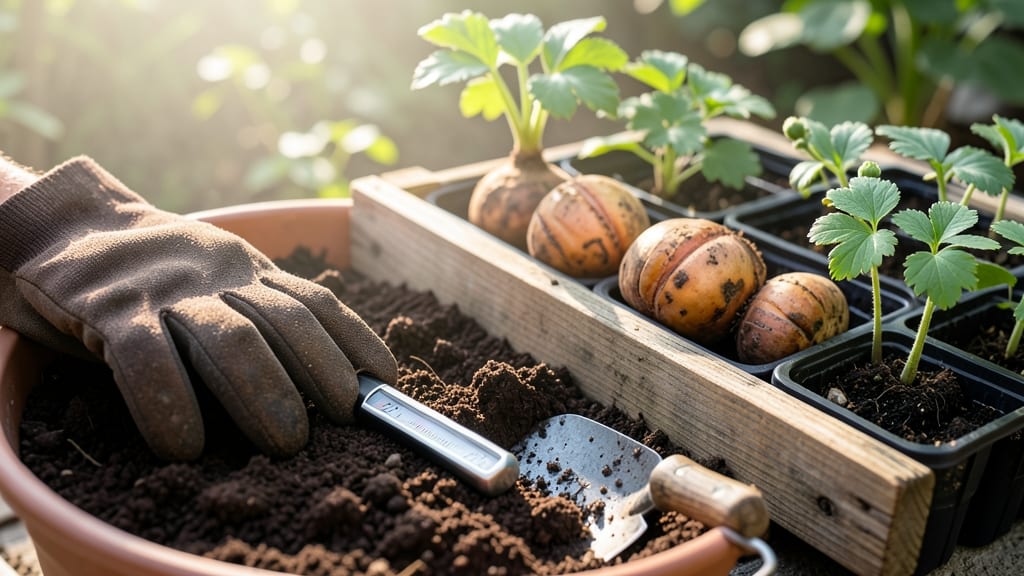
Timing your dahlia planting in Florida isn't just about avoiding frost—it's about outsmarting the state's unpredictable heat spikes that can send your tubers into a bolting frenzy. With USDA zones 9a-11 offering year-round growing potential, most gardeners assume dahlias 🌸 can go in anytime.
But plant too early, and you risk stunted growth from lingering cool snaps; too late, and the summer sun will shock your tubers into premature blooming.
What separates thriving dahlias from sad, leggy failures? The answer lies in a 3-step timing strategy tailored to Florida's microclimates. Whether you're in North Florida's cooler pockets or South Florida's steamy lowlands, knowing when to break dormancy and when to harden off your tubers makes all the difference.
I've tested these methods across multiple seasons, and the results speak for themselves.
Let me show you exactly when to plant—down to the week—for maximum bloom power. We'll cover the ideal February-March window, why soil temperature matters more than calendar dates, and how to adjust for your specific zone.
Plus, I'll share my top tricks for preventing bolting, even when Florida's heat tries to outsmart you.
Ready to transform your garden from "meh" to "wow"? By the end of this, you'll know not just when to plant, but how to give your dahlias the perfect head start for a season of bold, long-lasting blooms. Let's get those tubers in the ground the right way.
Florida’s ideal dahlia planting window: exact dates to prevent bolting
Dahlias thrive in Florida’s warm climate, but timing is everything to avoid bolting—when plants rush to flower due to heat stress. The perfect window depends on your region, with North Florida needing a later start than South Florida.
For most of the state, aim for mid-February to early March, after the last frost risk (typically mid-January in North Florida and December in South Florida).
Why? Dahlias need 90-120 days of warm weather to mature. Planting too early risks frost damage to emerging shoots, while planting too late may force early blooming before the first frost in late fall. Soil temperature is your best guide: wait until it reaches 60°F (15°C) consistently for 2-3 weeks.
Here’s the breakdown by Florida region—use these exact dates to align with your local climate:
| Region | Ideal Planting Window | Soil Temp Threshold | Key Risk |
|---|---|---|---|
| North Florida (USDA Zones 8a-9a) | Late February - Early March | 60°F (15°C) | Late frost (Jan-Mar) |
| Central Florida (USDA Zones 9b-10a) | Mid-February - Late March | 65°F (18°C) | Heat stress in April |
| South Florida (USDA Zones 10b-11) | January - Early February | 68°F (20°C) | Humidity-related rot |
For early varieties (like ‘Café au Lait’), you can push planting to January in South Florida, but monitor soil moisture—soggy conditions in winter can cause rot.
In North Florida, hold off until after March 1 to avoid frost surprises. Pro tip: Use a soil thermometer to confirm readiness—don’t guess!
Once you’ve nailed the date, focus on soil prep. Dahlias hate soggy roots, so amend your soil with compost or sand if it’s heavy clay. Aim for well-draining, slightly acidic soil (pH 6.0-7.0).
Work in aged manure or bone meal for phosphorus to fuel those dramatic blooms. Mulch with straw or pine needles to keep roots cool and moist.
After planting, water deeply to settle the soil and encourage root growth. Avoid overhead watering—dahlias are prone to powdery mildew in Florida’s humidity. Instead, use a drip irrigation system or water at the base. In South Florida’s heat, provide afternoon shade for the first 2-3 weeks to prevent stress.
If you’re in a short-season area (like North Florida’s Panhandle), opt for dwarf varieties like ‘Mignon’ or ‘Tom Thumb’—they bloom faster and handle heat better. For longer seasons, try ‘Galaxy’ or ‘Bishop’ for bold, late-summer color. Remember: deadhead spent blooms to redirect energy into new flowers, not seed production.
Timing isn’t just about the calendar—it’s about reading your microclimate. Watch your neighbors’ gardens or check local frost alerts from the National Weather Service. With the right start, your dahlias will reward you with months of vibrant blooms from June through October.
🌸
3 Critical timing tricks to outsmart Florida’s heat and humidity
Florida’s summer heat can turn your dahlia tubers into a bolting disaster if planted too late. But with these 3 timing tricks, you can delay blooming and extend your flowering season by weeks. The key? Pre-sprouting, shade protection, and a two-step planting method tailored to your USDA zone.
First, pre-sprout tubers indoors 4-6 weeks before your target outdoor planting date. This gives you a head start in Florida’s Zone 9-11 heat. Use a seedling tray with moist potting mix and place near a south-facing window or under grow lights.
Once sprouts reach 3-4 inches, they’re ready for the garden.
🌱
Traditional vs. Extended-Season Planting
| Method | Best For | Pros | Cons |
|---|---|---|---|
| Traditional Planting | North/Central FL (Zones 9a-9b) | Simple, cost-effective | Risk of bolting in summer heat |
| Extended-Season Planting | South FL (Zones 10a-11) | Longer blooms, heat resilience | Requires shade/cloth |
For South Florida gardeners (Zones 10a-11), try the two-step planting method: Plant tubers in early February but use 30% shade cloth to slow growth. Once temperatures rise above 85°F, move plants to partial shade (4-6 hours of sun). This delays bolting by 3-4 weeks.
Finally, mulch heavily with straw or pine needles to keep soil temps stable. In North Florida (Zone 9a), aim for late February planting—earlier risks frost damage to emerging shoots. Monitor soil temps with a thermometer; dahlias thrive when soil stays between 60-75°F.
With these tricks, you’ll extend your dahlia season and avoid the heat shock that causes early blooming. Start small with 1-2 varieties to test what works best in your microclimate!
☀️