
Plants
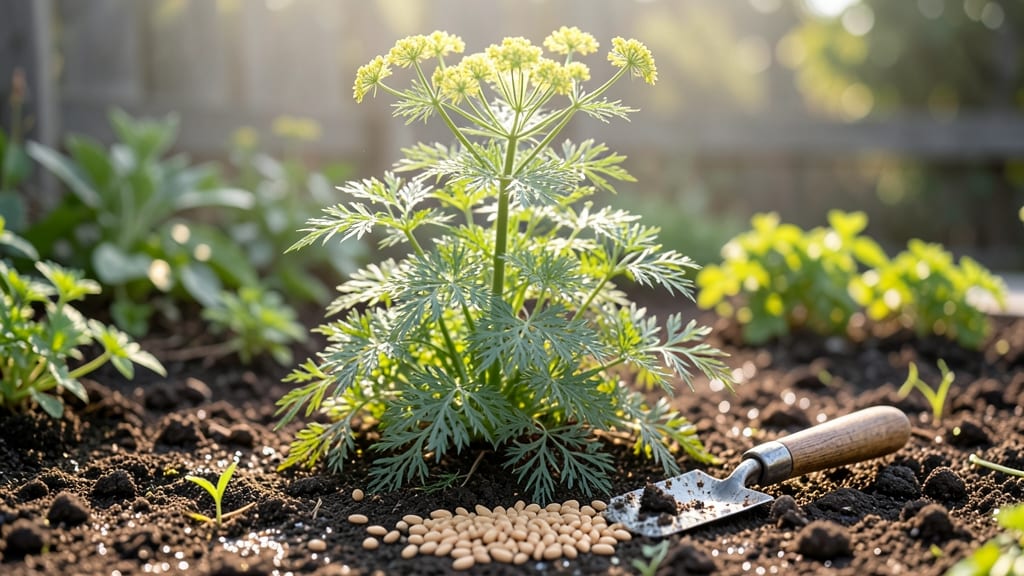
If you’ve ever planted dill in Florida only to watch it bolt into bitter flowers before you could even harvest a single leaf, you’re not alone. The key to growing flavorful, lush dill in the Sunshine State isn’t just about soil or water—it’s about timing.
Florida’s year-round growing season means you can plant dill almost anytime, but the perfect windows avoid the brutal summer heat that triggers early bolting.
Most gardeners in Florida’s 9a-11 zones swear by planting dill in the cooler months, from late fall through early spring, when temperatures stay mild and steady. But with the right tricks—like shade cloth, mulching, or staggered sowings—you can even grow dill successfully in summer, too.
The secret lies in understanding how heat stress pushes dill to flower prematurely and how to outsmart it.
In this guide, I’ll break down the ideal planting months for your specific Florida region, share heat-resistant strategies, and reveal how to extend your harvest season.
Whether you’re a seasoned gardener or a beginner, these tips will help you grow dill that stays tender, aromatic, and ready for your favorite dishes all year long.
Ready to stop wasting seeds on bolted plants? Let’s dive into the exact timing and techniques that’ll keep your dill thriving—no matter the season.
Best planting windows for dill in Florida’s climate zones
Florida’s unique climate—with its humid heat, year-round growing season, and rare frost—makes dill a surprisingly adaptable herb. But timing is everything to avoid bitter bolting and maximize flavor. The key? Planting during cooler months when temperatures stay below 85°F.
Unlike northern states, Florida’s three climate zones (North, Central, South) don’t experience frost, but they do have temperature gradients. Northern Florida (Zone 9a) gets occasional light frosts, while southern Florida (Zone 11) stays balmy year-round. This means your planting window shifts slightly depending on where you live.
For northern Florida, aim for fall through early spring (September–March) to escape summer’s oppressive heat. In central and southern Florida, you can plant almost year-round, but avoid peak summer months (June–August) when dill bolts prematurely.
Here’s a quick breakdown of the ideal planting months tailored to Florida’s microclimates:
| Zone | Best Planting Months | Avoid These Months | Key Tip |
|---|---|---|---|
| Northern Florida (Zone 9a) | September–March | April–August | Use shade cloth in late summer |
| Central Florida (Zone 9b-10a) | August–April | May–July | Plant near water features for humidity |
| Southern Florida (Zone 10b-11) | Year-round (with caution) | June–August (peak heat) | Use drip irrigation to prevent stress |
In northern Florida, I’ve found that planting dill in late September gives it time to establish roots before winter’s mild chill sets in. By February, you’ll have lush, flavorful leaves ready for harvest—just in time for spring recipes.
For central and southern Florida, the fall window (August–October) is ideal because temperatures are still warm but not scorching. If you’re in Zone 11, you can even plant dill in December for a winter harvest, though growth slows slightly.
One pro tip: If you’re eager to grow dill in summer, start seeds indoors in May and transplant outdoors in June under 30% shade cloth. This trick delays bolting by keeping soil temps cooler and reducing heat stress.
Remember, dill is an annual in Florida, meaning it won’t survive year after year in the same spot. But with the right timing, you can enjoy fresh dill for salads, pickles, and soups almost year-round—without the bitter aftertaste of bolting.
Next, we’ll dive into successive planting strategies to keep your dill supply flowing smoothly, even in Florida’s unpredictable heat spikes. 🌿
Best planting windows for dill in Florida’s climate zones
Florida’s three distinct climate zones—North (Zone 9a), Central (Zone 9b), and South (Zones 10a-11)—each demand a tailored approach to planting dill. Unlike northern states, Florida’s frost-free year-round growing season means you can plant dill almost anytime, but timing is critical to avoid bolting and bitterness from summer heat.
The ideal planting windows shift based on temperature: aim for cooler months (fall through early spring) to let dill thrive without rushing to flower.
In Zone 9a (North Florida), occasional light frosts in January can signal the start of prime planting, while Zones 10a-11 (South Florida) enjoy year-round planting with minimal risk of frost.
Heat stress is your biggest enemy—dill bolts when temperatures exceed 85°F (29°C) for prolonged periods. Planting in September-October or February-March gives dill the 60-75 days it needs to mature before summer’s peak heat arrives. For continuous harvests, stagger plantings every 2-3 weeks during these windows.
| Zone | Best Planting Months | Avoid Planting | Bolting Risk |
|---|---|---|---|
| 9a (North FL) | September–March | April–August | High (heat stress) |
| 9b (Central FL) | August–April | May–July | Moderate (late summer) |
| 10a–11 (South FL) | Year-round | None (use shade) | Low (with shade) |
In North Florida (Zone 9a), plant dill seeds in late summer (August-September) to harvest before winter’s mild chill sets in.
For Central Florida (Zone 9b), extend planting into early spring (March) to capture cooler temperatures. South Florida growers (Zones 10a-11) can plant year-round but must use shade cloth during peak summer to prevent bolting.
Pro tip: Test soil temperature before planting—dill germinates best in 60–75°F (15–24°C) soil. Use a soil thermometer or press your finger into the soil; if it’s too hot, wait 2–3 weeks or plant in partial shade until temperatures drop.
Mulching with straw or wood chips also helps regulate soil temperature and retain moisture.
Remember, dill is an annual in Florida, so each planting cycle is independent. By aligning your planting windows with cooler months, you’ll enjoy flavorful, non-bitter dill for soups, pickles, and salads all year—without the summer stress. 🌿